
General maintenance and plant health
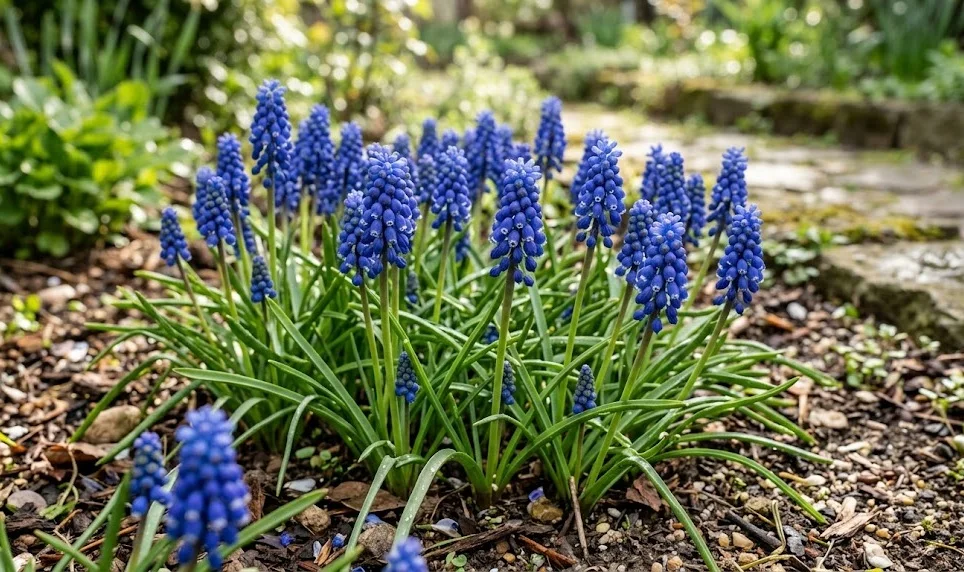
The Armenian grape hyacinth is a remarkably resilient perennial that brings a vibrant splash of cobalt blue to the early spring garden. To ensure these bulbs thrive year after year, a consistent approach to basic maintenance is required throughout their active growing season. You should begin by observing the emergence of the first green shoots in late winter or very early spring to gauge the health of the colony. Understanding the natural life cycle of these plants allows you to provide the specific support they need during both their flowering and dormant phases.
Proper maintenance starts with keeping the surrounding area free from aggressive weeds that might compete for limited resources. While these bulbs are quite hardy, they benefit significantly from a clean environment where air circulation is not restricted by overgrowth. You will find that a light hand with garden tools is necessary when working near the bulbs to avoid damaging the shallow root systems. Establishing a routine of visual inspections will help you identify any potential issues before they become serious threats to the plant’s vitality.
During the peak flowering period, the stems should remain upright and sturdy if the plant is receiving adequate support from its environment. You must ensure that the tall flower spikes are not being weighed down by debris or excessive moisture that can lead to stem rot. Many gardeners overlook the importance of monitoring the foliage as it begins to yellow after the blooming period concludes. This yellowing is a natural part of the plant’s transition into dormancy and should be managed with patience rather than immediate removal.
As the season progresses, the focus of your care should shift from supporting growth to protecting the energy reserves stored within the bulb. You should allow the leaves to fully wither naturally because they are the primary source of nutrients for next year’s blooms. It is helpful to mark the location of the bulbs during this time so you do not accidentally dig them up during summer planting. A successful maintenance strategy is one that respects the plant’s inherent biology while providing a stable foundation for future growth.
Soil quality and preparation
Creating the ideal soil environment is perhaps the most critical factor in long-term success with these spring-flowering bulbs. These plants prefer a substrate that is rich in organic matter but, more importantly, offers exceptional drainage to prevent bulb rot. You should aim for a loamy soil texture that retains just enough moisture to support growth without becoming waterlogged. If your garden soil consists mostly of heavy clay, you will need to incorporate significant amounts of grit or well-rotted compost to improve the structure.
More articles on this topic
The acidity of the soil also plays a role in how well the plant can absorb essential minerals from the earth. While they are relatively adaptable, a slightly acidic to neutral pH level typically yields the most vigorous growth and brightest floral displays. You can perform a simple soil test to determine the current state of your garden bed before adding any corrective amendments. Regular additions of organic mulch can help maintain this balance naturally over several years of cultivation.
Subsurface preparation should involve loosening the soil to a depth of at least twenty centimeters to allow for easy root penetration. You should ensure that the earth is crumbly and free of large stones that might obstruct the path of the emerging flower spikes. When preparing a new site, it is often beneficial to mix in a small amount of bone meal or a slow-release bulb fertilizer. This proactive approach ensures that the young bulbs have immediate access to the nutrients they need for their initial establishment.
Maintaining soil health throughout the year involves preventing compaction, which can suffocate the bulbs and lead to poor performance. You should avoid walking on the planting beds, especially when the ground is wet and most vulnerable to being squeezed together. Consider using stepping stones or designated paths to navigate through your garden areas where bulbs are naturalized. Healthy soil is a living ecosystem, and by protecting its structure, you are directly investing in the longevity of your floral displays.
Seasonal care transitions
The transition from the cold winter months to the warmth of spring triggers a rapid physiological change in the bulbs. You will notice the foliage appearing much earlier than many other spring plants, often during the final weeks of winter. It is important to clear away any heavy winter mulch at this stage to allow the delicate shoots to reach the light without obstruction. Providing a clear path for growth ensures that the stems remain straight and the flowers develop their characteristic bell shape properly.
More articles on this topic
Once the flowers have faded, the plant enters a critical phase where it focuses on replenishing its underground storage organs. You should resist the urge to tidy up the garden by cutting back the green leaves, even if they appear somewhat messy. This period of photosynthesis is when the bulb creates the chemical energy required to survive the upcoming summer dormancy. Keeping the foliage intact and healthy for as long as possible is the secret to achieving a massive carpet of blue flowers every year.
Summer care for these bulbs is surprisingly hands-off, as the plants are largely inactive during the hottest months. You should reduce watering significantly during this time because excessive moisture in a warm soil can encourage the growth of destructive pathogens. The bulbs are designed to survive drought conditions while they rest beneath the surface of the soil. If you have other plants nearby that require frequent summer watering, ensure that the bulbs are positioned in a well-drained spot.
As autumn approaches, the bulbs begin to stir once more, often producing a small amount of new foliage in response to the cooling temperatures. This “autumn leafing” is perfectly normal for this species and does not mean the plant is confused by the weather. You should take this opportunity to apply a light layer of fresh mulch to protect the new growth from the coming frost. Preparing the site in the fall sets the stage for a spectacular and reliable performance when the next spring arrives.
Monitoring growth and development
Paying close attention to the development of the flower spikes can provide valuable insights into the overall health of your garden. You should look for uniform growth across the entire colony, as patchy or stunted development might indicate localized soil issues. The intensity of the blue color in the florets is often a direct reflection of the light quality and nutrient availability. A vibrant, deep hue suggests that the plant is thriving in its current location and receiving optimal care.
The density of the floral clusters is another indicator that you should monitor closely during the height of the blooming season. If the clusters appear sparse or the individual bells are small, the bulbs might be overcrowded and in need of division. You can keep a gardening journal to track these changes over several years to determine the best time for intervention. Documenting the start and end dates of the flowering period helps you plan complementary plantings for your landscape.
Observing how the plant interacts with local pollinators can be a rewarding aspect of monitoring your garden’s development. These flowers are often among the first sources of nectar for bees emerging from hibernation in the early spring. You should avoid using any harsh chemical sprays during the flowering window to protect these beneficial insects. Supporting the local ecosystem in this way enhances the natural beauty and health of your entire outdoor space.
If you notice any unusual spotting or discoloration on the leaves, you should investigate the cause immediately to prevent the spread of disease. Healthy foliage should be a consistent mid-green color and feel firm to the touch throughout the spring. Any signs of wilting while the soil is moist could point to root problems or internal bulb issues. Early detection and a thoughtful response are the hallmarks of a professional and successful gardening approach.
Environmental factors and site selection
Selecting the right location for your bulbs involves more than just finding a sunny spot in the yard. You must consider how the microclimate of your garden will affect the timing and duration of the floral display. Bulbs planted near the foundation of a house might bloom earlier due to the warmth radiating from the structure. Conversely, those in more exposed or sunken areas might face late frosts that can nip the early foliage.
Wind exposure is another factor that can influence the structural integrity of the flower spikes during the spring. While the stems are generally sturdy, persistent high winds in open areas can cause them to lean or break. You might want to consider planting them near low-growing shrubs or decorative rocks that provide a natural windbreak. This protection ensures that the delicate beauty of the flowers remains unmarred by the elements throughout their season.
The slope of the land and how water moves across the surface should also guide your planting decisions. You should avoid low-lying areas where water tends to collect after heavy rains or snowmelt. These “wet feet” conditions are the primary enemy of bulbs and will almost certainly lead to a decline in health. Positioning your colony on a gentle slope or in a raised bed can provide the necessary drainage for long-term success.
Finally, consider the long-term changes in your garden, such as the growth of nearby trees and the resulting increase in shade. What was once a full-sun location might become quite shaded over a decade of garden development. You should be prepared to adapt your care routine or even move the bulbs if the environment changes significantly. Being proactive about environmental factors ensures that your garden remains a vibrant and healthy sanctuary for years to come.
Long-term health and sustainability
Maintaining the health of a bulb colony over several decades requires a commitment to sustainable gardening practices. You should avoid the over-reliance on synthetic chemicals that can disrupt the natural biology of the soil. Instead, focus on building soil health through the addition of organic matter and natural mineral sources. A biologically diverse soil environment helps the plants resist diseases and adapt to changing weather patterns more effectively.
Naturalizing is one of the greatest strengths of this plant, allowing it to spread and create a beautiful groundcover over time. You should encourage this process by leaving the plants undisturbed whenever possible and allowing them to self-seed. However, sustainability also means recognizing when a colony has become too dense for its own good. Periodically thinning out the bulbs ensures that each individual plant has enough space and resources to remain vigorous.
Water conservation is an increasingly important part of modern gardening that applies even to hardy bulbs. By choosing plants like these that are naturally adapted to dry summer conditions, you reduce the overall water demand of your landscape. You should group plants with similar water needs together to make your irrigation efforts more efficient and effective. This thoughtful design approach saves time and resources while promoting a more resilient and healthy garden.
Investing in high-quality tools and keeping them well-maintained is also a part of a sustainable long-term strategy. Clean, sharp tools prevent the accidental transmission of pathogens between different parts of your garden. You should make it a habit to clean your equipment after every use and store it in a dry place. Professional care for your tools reflects a professional attitude toward your plants, leading to better results and a more enjoyable gardening experience.
Enhancing garden aesthetics
The aesthetic value of these plants is maximized when they are planted in large, sweeping drifts rather than small, isolated groups. You should aim for a natural look by scattering the bulbs across the planting area before burying them. This technique creates a sense of spontaneity and mimics how the flowers might appear in a wild woodland setting. The sight of a sea of blue flowers under a deciduous tree is one of the most iconic images of the spring garden.
Color coordination is another way you can elevate the visual impact of your Armenian grape hyacinths. They pair beautifully with yellow daffodils or white tulips, creating a classic and high-contrast spring palette. You should also consider how the fine texture of their foliage contrasts with the broader leaves of other perennials. Planning for a succession of blooms ensures that your garden remains interesting long after the hyacinths have finished their display.
Using these bulbs in containers is a great way to bring spring color to patios, balconies, or even near entryways. You can create layered “bulb baskets” by planting them at different depths with other spring-flowering species. This concentrated display provides a high-impact focal point that can be easily moved or changed each year. Container gardening allows you to appreciate the intricate details of the florets from a much closer vantage point.
Think about the structure of your garden during the winter months when the ground is mostly bare. The early-emerging foliage of these bulbs provides a welcome touch of green when everything else is still dormant. You can use this early growth to define edges or paths before the rest of the garden wakes up. By integrating these plants thoughtfully into your overall landscape design, you create a garden that feels cohesive, professional, and full of life.