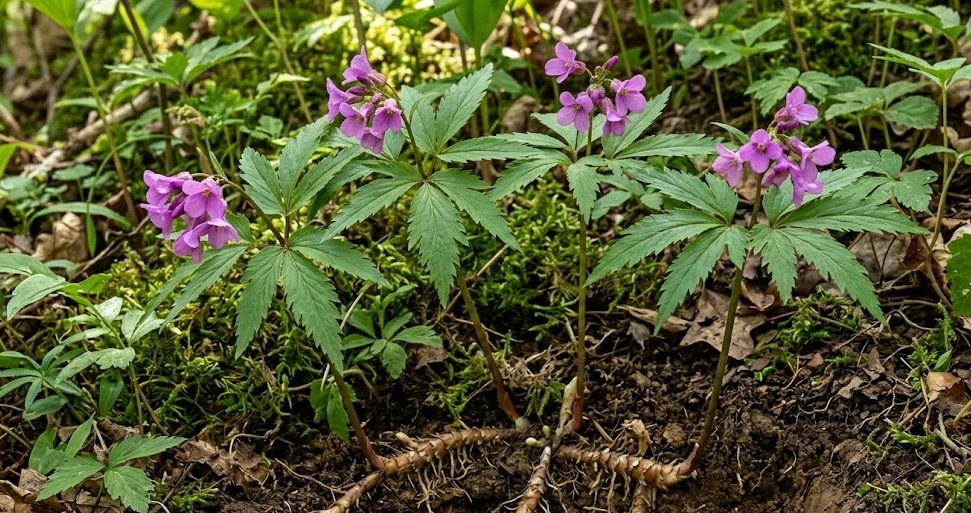

The glandular bittercress is a remarkably hardy plant that is well-adapted to the cold winters of its native European mountain ranges. However, the conditions in a domestic garden can sometimes be more challenging than those in a natural forest, requiring some professional attention to ensure survival. Successful overwintering is not just about surviving the cold, but about protecting the dormant rhizomes from moisture and temperature fluctuations. By taking the right steps in late autumn, you can guarantee a spectacular and healthy emergence when the first signs of spring arrive.
The plant’s natural strategy for winter involves retreating into its underground rhizomes and entering a state of deep dormancy. You will notice the last of the foliage disappearing by mid-summer, leaving the ground seemingly bare for many months. This dormancy is a vital part of the plant’s life cycle, allowing it to conserve energy and avoid the harshest environmental conditions. Your role during the winter is to act as a protector of this invisible, underground life.
One of the biggest risks during a typical winter is not the absolute minimum temperature, but the cycles of freezing and thawing that can occur. These fluctuations can cause the soil to “heave,” which may push the shallow rhizomes to the surface where they are vulnerable to drying out or freezing. You should aim to keep the soil temperature as stable as possible throughout the winter months. A professional approach to winter care focuses on insulation and moisture management to create a consistent environment.
Before the first hard freeze, you should take a walk through your woodland garden to assess the condition of the planting beds. You should look for any areas where the soil has been eroded or where the natural leaf litter has been blown away by the wind. Ensuring that all your bittercress colonies are well-covered is the most important task for the late autumn season. This simple preparation is the foundation for a successful and vibrant spring display in the coming year.
Cold hardiness mechanisms
The glandular bittercress has evolved several internal mechanisms that allow it to withstand temperatures well below freezing. You will find that the cells within the rhizomes can adjust their chemical composition to prevent ice crystals from damaging the delicate tissues. This natural “antifreeze” is what allows the plant to survive in high-altitude forests where winters are long and severe. Understanding this inherent resilience can give you confidence in the plant’s ability to handle most garden winters.
More articles on this topic
While the rhizomes are incredibly cold-hardy, they do rely on the presence of a natural insulating layer on the soil surface. In a forest, this is provided by the continuous fall of leaves from the canopy trees above, creating a thick, airy blanket. You should strive to replicate this natural system in your garden by leaving fallen leaves in place over the bittercress beds. This layer of organic matter traps air and prevents the ground from freezing too deeply or too quickly.
Snow cover is another excellent natural insulator that the plant has adapted to use to its advantage. You might be surprised to learn that a thick layer of snow actually keeps the ground warmer than if the soil were exposed to the cold air. If you live in an area with reliable winter snow, your plants are likely very safe and well-protected. You should avoid shoveling snow onto or off of your planting beds, as the natural accumulation and melting process is best for the plants.
Even during the coldest months, the rhizomes are not completely inactive, as they continue to perform slow metabolic processes. You should avoid any heavy activity on the frozen ground above your plants, as the frozen rhizomes can be brittle and easily damaged. Keeping the soil undisturbed during the winter allows the plant to focus its energy on the internal changes needed for spring emergence. Respecting this period of quiet resilience is a key part of professional woodland gardening.
Protective mulching layers
If your garden does not have a natural supply of falling leaves, you should provide a supplemental mulching layer in late autumn. You should use materials that are light and airy, such as shredded bark, pine needles, or well-shredded leaves from other parts of the garden. A layer of about five to eight centimeters is usually sufficient to provide the necessary insulation without smothering the soil. This mulch acts as a protective shield against the drying effects of winter winds and the intensity of the winter sun.
More articles on this topic
You should apply the mulch after the ground has started to cool but before it has frozen solid for the season. Applying it too early can trap heat in the soil and potentially delay the plant’s entry into deep dormancy, which can be risky. The goal is to settle the plants into their winter rest and then provide the insulation to keep them there. This strategic timing is a hallmark of professional garden maintenance that ensures the plants’ natural rhythms are respected.
As you apply the mulch, you should ensure that it is spread evenly across the entire planting area to prevent cold spots. You should also make sure the mulch is loose and not packed down, as it is the air trapped within the material that provides the insulation. Over time, the mulch will settle and begin to decompose, contributing valuable organic matter to the soil for the following spring. You are essentially providing both immediate protection and long-term nutrition with this one simple task.
In the spring, you should be prepared to gently thin out the mulch if it has become too thick or matted during the winter. While the shoots can push through a reasonable layer, a very heavy or crusted mulch can sometimes obstruct their progress. You should watch the weather closely and begin to check for signs of growth as soon as the temperatures start to rise. Your attentive management of the mulching layer throughout the year is a key factor in the health of your colony.
Winter soil management
Managing the moisture levels in the soil during the winter is a delicate balance that requires your professional judgment. You should ensure the soil is sufficiently moist before the ground freezes, as the rhizomes can still lose water through transpiration even in dormancy. If the autumn has been very dry, you should give the beds a thorough watering before the first hard frost. However, you must also ensure that the drainage is excellent to prevent the rhizomes from sitting in cold, stagnant water.
Winter “wet rot” is a common cause of plant loss in domestic gardens where the soil may be heavier than in a natural forest. You should look for any areas where water pools during winter rains or snowmelt and take steps to improve the drainage in those spots. Diverting excess water away from your bittercress beds can be as simple as creating a small trench or adding more grit to the soil. Keeping the rhizomes moist but not saturated is the key to their winter survival.
You should avoid applying any fertilizers during the winter months, as the plant cannot use the nutrients and they may wash away into the groundwater. The focus should be entirely on protection and maintaining the integrity of the soil structure. You should also resist the urge to dig or move any plants during the winter, even if the ground is not frozen. The dormant rhizomes are at their most vulnerable when they are disturbed during their rest period.
If you live in a region with frequent winter thaws, you should check your beds periodically for any rhizomes that have been pushed to the surface. You can gently press them back into the loose soil or cover them with an extra handful of mulch to protect them from the air. This “scouting” helps you catch small problems before they lead to the loss of your plants. Professional winter management is about being an observant and reactive steward of your garden’s hidden life.
Spring emergence preparation
As the winter begins to fade, your focus will naturally shift to preparing for the exciting moment of spring emergence. You should start to clear away any large debris, such as fallen branches or heavy piles of wet leaves, that might have accumulated over the winter. This cleanup should be done carefully to avoid stepping on the planting beds and compacting the soil. You are creating a clear and welcoming path for the first purple shoots to reach the light.
You should watch the local weather forecasts closely during the transition from winter to spring. While the bittercress is hardy, a sudden and severe “false spring” followed by a deep freeze can be challenging for emerging plants. If you see shoots appearing and a hard freeze is predicted, be ready to provide some temporary protection. This extra bit of care can save the first flowers of the season and ensure the plant’s energy is not wasted on repairing frost damage.
This is also the perfect time to evaluate the success of your overwintering strategy and make notes for the following year. You should look at which areas of the garden saw the earliest and strongest growth and consider why that might be. Perhaps the mulch was thicker in one spot, or the drainage was slightly better in another. Learning from each winter season is how you become a more skilled and professional woodland gardener over time.
Finally, you should take a moment to enjoy the reward of your hard work as the first vibrant flowers of the glandular bittercress begin to bloom. The successful overwintering of these plants is a testament to your skill and your connection to the natural cycles of the landscape. You have provided the protection they needed, and now they are giving back with a beautiful display of life. Your professional approach ensures that this cycle will continue to bring joy to your garden for many years to come.