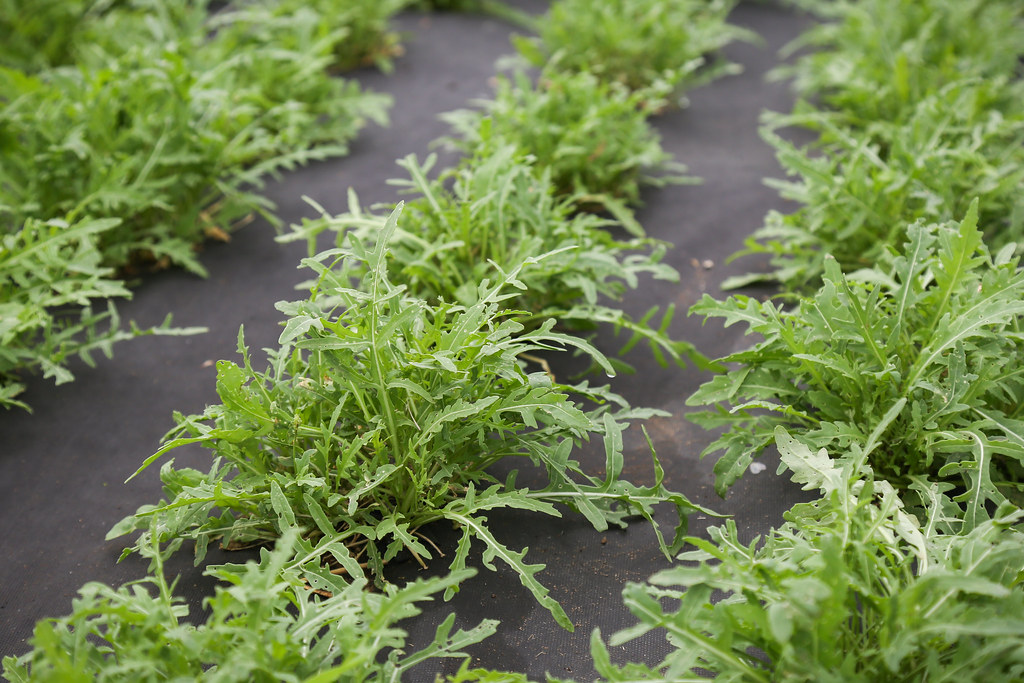

Arugula is surprisingly resilient in the face of cold weather, making it an excellent candidate for winter gardening and season extension. As a cool-season crop, its growth may slow down in the low light and cold temperatures of winter, but with proper protection, it can survive and even thrive, providing fresh, peppery greens when most of the garden is dormant. The key to successfully wintering arugula lies in understanding its natural cold hardiness and implementing effective strategies to shield it from the harshest winter elements, such as freezing winds, heavy snow, and deep freezes. By taking a few proactive steps in the autumn, gardeners can enjoy a harvest that extends well into the winter months.
The success of overwintering arugula begins with proper timing and planning in the late summer or early fall. Planting a new crop specifically for winter harvesting is often the best approach. These seeds should be sown with enough time for the plants to become well-established before the first hard frost of the season arrives. A plant that has developed a healthy root system and a good number of mature leaves is far more likely to withstand the rigors of winter than a small, delicate seedling.
Choosing the right location for your winter arugula patch is also a critical consideration. A site that offers some natural protection from prevailing winter winds, such as next to a wall or a hedge, can create a more favorable microclimate. The location should also receive as much direct sunlight as possible, which is a precious commodity during the short days of winter. A south-facing location is ideal as it will maximize light exposure and warmth, which is essential for any growth to occur during the colder months.
The final piece of the puzzle is providing a protective covering for the plants. While arugula can tolerate light frosts, which often improve its flavor, it will not survive repeated hard freezes without some form of insulation. Various structures, from simple row covers to more substantial cold frames and low tunnels, can be used to create a buffered environment. These covers trap solar heat during the day, keeping the soil and the air around the plants several degrees warmer than the outside temperature, which is often enough to ensure their survival through the winter.
Arugula’s natural cold tolerance
Arugula possesses a remarkable degree of natural cold tolerance, a trait that makes it an ideal crop for cool-season gardening. This hardy annual is a member of the brassica family, a group of plants well-known for their ability to withstand chilly temperatures. In fact, exposure to light frosts can have a beneficial effect on arugula’s flavor. The cold triggers the plant to increase the sugar content in its leaves, which acts as a natural antifreeze. This process results in leaves that are noticeably sweeter and often less bitter than those grown in the heat of summer.
More articles on this topic
The plant’s ability to survive the cold is not unlimited, however. While it can comfortably handle temperatures that dip down to around -4°C to -6°C, especially if it is well-established, it will succumb to prolonged periods of deep, hard freezes without protection. The foliage may freeze solid overnight and then thaw during the day, a cycle which the plant can endure for some time. The key is the health of the plant’s crown and root system; as long as these remain viable, the plant can produce new leaves when conditions become more favorable.
Different varieties of arugula may exhibit varying levels of cold hardiness. Some “wild” or perennial types of arugula, such as Diplotaxis tenuifolia, are known to be particularly tough and can often survive the winter in milder climates with little to no protection, re-sprouting from their root base in the spring. When planning for a winter crop, it can be advantageous to seek out varieties that are specifically noted for their cold tolerance, as these will have the best chance of making it through the season.
Understanding this natural resilience allows gardeners to work with the plant’s strengths. By ensuring the arugula is planted early enough in the fall to develop a robust root system before the onset of severe cold, you give it the best possible foundation for winter survival. This, combined with a protective layer of mulch and a physical cover, creates a microenvironment where the arugula’s inherent hardiness can see it through to the other side of winter.
Protective measures against frost
While arugula is cold-tolerant, providing additional protection against frost and freezing temperatures is crucial for ensuring its survival and enabling a winter harvest. One of the simplest and most effective measures is the use of a floating row cover. This is a lightweight, spun-bonded fabric that is draped over the plants, either directly or supported by hoops. Row covers provide a few degrees of frost protection, shield the plants from harsh winds, and can prevent damage from heavy snow, all while allowing light, air, and water to penetrate.
More articles on this topic
For a greater degree of protection, a cold frame is an excellent investment. A cold frame is essentially a bottomless box with a clear or translucent lid, which is placed over the garden bed. It acts like a miniature, unheated greenhouse, capturing solar energy during the day and insulating the plants from the cold at night. Cold frames can keep the interior temperature significantly warmer than the outside air, allowing arugula to not only survive but also continue to grow slowly throughout the winter in many climates. It is important to vent the cold frame on sunny days to prevent it from overheating.
A low tunnel is another highly effective structure for winter protection. It is constructed by bending hoops made of PVC pipe or heavy-gauge wire over the garden bed and covering them with a layer of greenhouse plastic. This creates a tunnel that protects a whole row of plants. Like a cold frame, a low tunnel traps heat and shields the plants from wind and snow. For extra insulation, a layer of row cover can be placed over the plants inside the tunnel, creating a double-layered system that can withstand even colder temperatures.
In addition to structural covers, applying a thick layer of organic mulch around the base of the arugula plants is a vital protective step. A 10-15 centimeter layer of straw, shredded leaves, or pine needles insulates the soil and protects the plant’s root system from the freeze-thaw cycles that can heave plants out of the ground. This mulch helps to maintain a more stable soil temperature, reducing stress on the roots and preserving the life of the plant’s crown, from which new growth will emerge.
Managing winter growth and care
Caring for arugula during the winter is quite different from in the main growing season, as the primary goal shifts from promoting rapid growth to ensuring survival and maintenance. Growth will slow down significantly or even stop altogether during the coldest, darkest part of winter, a period known as the “Persephone days” when there are fewer than 10 hours of daylight. During this time, the plants are essentially in a state of hibernation, and the focus should be on protecting them rather than expecting new production.
Watering needs are drastically reduced during the winter months. The combination of cold temperatures, lower evaporation rates, and dormant plant growth means the soil will retain moisture for much longer. It is important to check the soil moisture periodically, especially during dry spells, but be very careful not to overwater. Excessively wet soil in winter can be fatal, as it can lead to root rot and can freeze solid, damaging the plant’s root system. Water only when the soil is dry and preferably on a milder, sunny day.
Ventilation is a critical aspect of winter care, especially if you are using a cold frame or a low tunnel. On sunny winter days, the temperature inside these structures can rise surprisingly high, which can stress the plants and create conditions favorable for fungal diseases. It is essential to open or vent the covers during the day to allow excess heat and humidity to escape, and then close them up again in the late afternoon to trap the warmth for the night. This daily management is key to maintaining a healthy environment.
Fertilization is generally not necessary for overwintering arugula. The plants’ nutrient uptake is minimal when they are dormant or growing very slowly. A pre-planting application of compost in the autumn should provide all the nutrition the plants need to make it through the winter. Adding fertilizer during the winter is ineffective and can even be harmful, as the unused nutrients can build up in the cold, wet soil.
Harvesting in winter
Harvesting arugula in the winter is a rewarding experience, but it requires a different approach than harvesting during the spring or fall. Because the plant’s growth is very slow, harvesting must be done sparingly and strategically to ensure the plant’s survival. The key is to only pick a few of the larger, outer leaves from each plant at a time. This “light touch” approach leaves plenty of foliage on the plant to continue photosynthesis whenever there is sufficient light and warmth, which is essential for its continued survival.
The best time to harvest winter arugula is on a mild, sunny day, preferably around midday when the plants have had a chance to thaw out completely if there was a frost overnight. Avoid harvesting when the leaves are frozen, as this can damage the plant tissue and cause the leaves to turn mushy and black upon thawing. Wait until they are pliable and look fresh. The flavor of winter-harvested arugula is often exceptional, with a sweetness and complexity that is a direct result of its exposure to the cold.
After harvesting, be gentle with the plants. They are more vulnerable in their semi-dormant winter state. Be sure to replace any protective covers securely to trap the afternoon warmth and protect them from the coming night’s cold. The plants will need all the help they can get to recover from the harvest, however light, and to continue to withstand the winter conditions. Every bit of trapped warmth and protection counts.
It is important to adjust your expectations for winter harvests. You will not be getting the same voluminous yields as you would in the peak of the spring season. Instead, think of it as a bonus crop, providing a handful of fresh, flavorful greens for a special salad or garnish. This mindset of light, occasional harvesting ensures that you do not deplete the plants’ energy reserves, allowing them to survive the winter and then burst forth with vigorous new growth as soon as the days begin to lengthen and warm in early spring.
Arugula is such a great candidate for winter gardening! I grow mine in a simple cold frame and I’ve been able to harvest fresh greens even in January. The extra protection from the glass or plastic helps keep the temperature just high enough for the plants to survive. I’ve noticed that the growth is much slower during the winter, but the flavor is incredible—it’s even more peppery and intense than usual! It’s a very rewarding way to keep the garden productive all year round. I highly recommend giving it a try if you have a bit of space for a cold frame or some row covers.
I’ve had great luck with arugula in my winter garden as well! I use a double layer of row covers and it seems to provide just enough insulation for the plants. I’ve even had some survive being buried under several inches of snow! It’s amazing how resilient these little plants can be. I’m definitely a fan of winter gardening and arugula is one of my top choices. Thanks for sharing your experience!