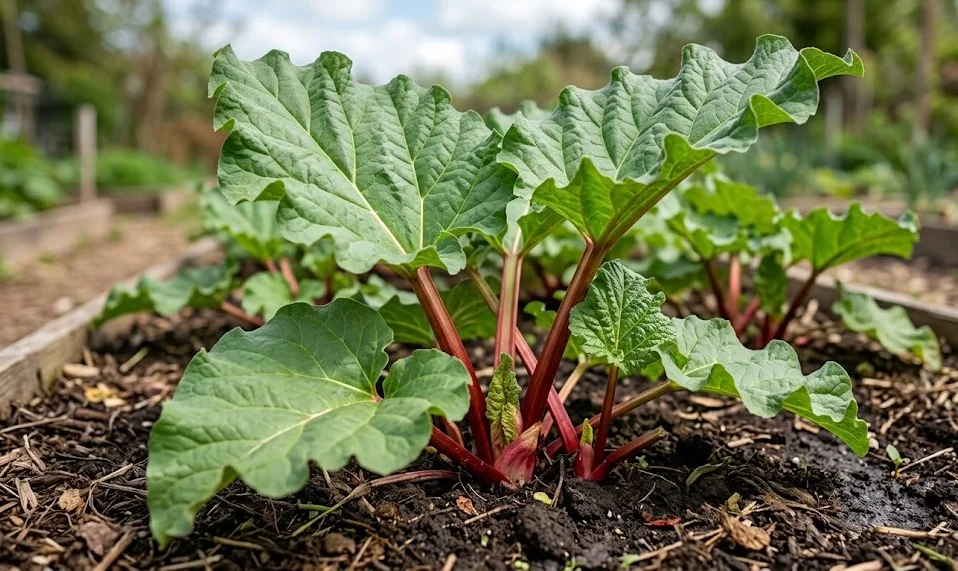

Maintaining the correct balance of moisture and nutrients is the secret to producing exceptionally thick and succulent rhubarb stalks. Because this plant produces such a massive amount of foliage in a short period, its demands on the soil are significantly higher than most other garden crops. Professional growers understand that irrigation and feeding are not just occasional tasks but a consistent part of the cultivation cycle. Developing a specialized routine will ensure that your plants remain vigorous and highly productive throughout their entire life.
The water requirements of rhubarb are most critical during the rapid growth phase of the early spring and summer. As the large leaves expand, they lose a significant amount of moisture through transpiration into the atmosphere. If the soil becomes too dry, the plant will prioritize survival over growth, resulting in thin and stringy stalks. You must aim to keep the earth consistently damp but never saturated to the point of being muddy.
During periods of drought, the importance of deep watering cannot be overstated for the health of the perennial crown. A light sprinkling on the surface of the soil does very little for a plant with such a deep and extensive root system. You should apply water slowly at the base of the plant so that it can penetrate deep into the ground where the roots reside. This encourages the roots to grow further down, making the plant more resilient to future dry spells.
Visual signs of water stress are easy to spot if you know what to look for in your garden. Wilting leaves during the heat of the day are a common defense mechanism, but they should recover quickly once the sun goes down. If the leaves remain limp in the cool of the evening, it is a clear signal that the plant is desperately in need of hydration. Consistent monitoring allows you to react before the plant suffers any permanent damage or reduction in yield.
Managing seasonal moisture levels
In the early spring, natural rainfall is often sufficient to satisfy the needs of the emerging rhubarb buds. However, if the season is unusually dry, you should begin supplemental watering as soon as the first growth appears. This ensures that the plant has the hydraulic pressure needed to push its heavy stalks and leaves through the surface of the soil. Starting the season with adequate moisture sets the stage for a successful and heavy harvest later on.
More articles on this topic
As summer progresses and the temperatures rise, the frequency of your watering schedule will naturally need to increase. Morning is the ideal time to irrigate because it allows the leaves to dry out before evening, reducing the risk of fungal diseases. Avoid watering during the middle of the day when evaporation is at its highest and much of the water will be lost. Directing the water specifically to the root zone prevents wasting this precious resource on surrounding weeds.
The arrival of autumn brings a natural reduction in the plant’s water needs as it prepares for the winter dormancy. You can gradually decrease the frequency of irrigation as the leaves begin to turn yellow and lose their vigor. It is important, however, to ensure the soil does not become bone dry before the first hard freeze of the winter. A hydrated crown is much better equipped to survive the extreme cold than one that is stressed by a lack of water.
Mulching plays a vital role in moisture management by creating a protective barrier between the soil and the air. A thick layer of organic material significantly reduces the rate of evaporation from the surface of the garden bed. This means you can water less frequently while still maintaining the stable environment that rhubarb craves for its growth. Mulch also prevents the soil from crusting over, which allows future water applications to penetrate the ground more easily.
Nutrient needs for growth
Rhubarb is often described by experienced horticulturists as a “heavy feeder” due to its incredible growth rate. To produce those prized red stalks, the plant consumes vast quantities of nitrogen, phosphorus, and potassium from the soil. If these nutrients are not replenished regularly, the yield will diminish and the plant will eventually lose its vitality. A professional approach involves a combination of long-term soil building and targeted seasonal applications of fertilizer.
More articles on this topic
Nitrogen is responsible for the lush green foliage and the rapid extension of the edible stalks in the spring. You should apply a high-nitrogen organic feed just as the plant wakes up from its winter sleep to fuel this expansion. Be careful not to let the fertilizer touch the sensitive crown directly, as this can cause chemical burns to the plant tissue. Instead, spread the material in a circle around the base of the plant and water it in thoroughly.
Phosphorus and potassium are equally important for the internal health and structural integrity of the perennial vegetable. These minerals support the development of a strong root system and help the plant resist common diseases and environmental stressors. Including composted manure or specialized organic granules provides these elements in a form that the plant can absorb slowly. This sustained release of nutrients prevents the “flush and crash” cycle associated with some synthetic fertilizers.
Trace elements like magnesium and sulfur also play supporting roles in the complex chemistry of the rhubarb plant. While needed in smaller quantities, a deficiency in these minerals can lead to poor leaf color and reduced overall vigor. Most high-quality organic composts will contain a sufficient variety of these micronutrients for the average garden. If you suspect a specific deficiency, a professional soil test is the most accurate way to determine what your plants are missing.
Application of organic matter
The best way to fertilize rhubarb is by mimics the natural process of decomposition that occurs on the forest floor. Applying a thick layer of well-rotted manure every spring provides a wealth of nutrients and improves the soil structure simultaneously. This organic matter encourages the growth of beneficial microbes and fungi that help the plant roots absorb minerals. It is a holistic approach that builds the health of the entire garden ecosystem over many years.
Compost made from garden waste and kitchen scraps is another excellent and sustainable source of nutrition for your crop. When the compost is fully broken down, it becomes a dark, crumbly material that is perfect for top-dressing your rhubarb beds. You should spread a layer about five centimeters thick around each plant, taking care not to bury the central crown. This layer will slowly release its nutrients into the soil every time it rains or you water the garden.
Using liquid organic feeds can provide a quick boost during the peak of the growing season when the plant is working hardest. Comfrey tea or diluted seaweed extract are popular choices among professional gardeners for their high mineral content. These liquids can be applied directly to the root zone to provide immediate hydration and nutrition at the same time. This is especially useful if you notice the plants are starting to look a little tired after a heavy harvest period.
Green manures can also be used in the areas surrounding your rhubarb patch to improve the overall fertility of the soil. Legumes like clover or vetch can be grown and then turned into the earth to add significant amounts of natural nitrogen. This practice helps keep the soil biology active and prevents the ground from becoming depleted of its essential life-giving properties. A diverse and living soil is the ultimate foundation for a successful and long-lived rhubarb plantation.
Maximizing vigor through feeding
The timing of your fertilization is just as important as the type of nutrients you choose to use in your garden. The most significant application should always happen in the early spring before the leaves have fully expanded. This ensures that the energy is available exactly when the plant needs it most for its primary growth spurt. A secondary, lighter application can be done in the mid-summer after you have finished harvesting the stalks.
Avoid the temptation to fertilize your rhubarb late in the autumn as the plant is trying to enter dormancy. Stimulating new growth at this time of year makes the plant vulnerable to damage from the upcoming winter frosts. The goal of late-season care is to allow the plant to naturally move its energy from the leaves down into the crown. Focus on soil protection rather than nutrient stimulation during the final months of the calendar year.
The amount of fertilizer needed will depend largely on the age of the plant and the existing quality of your garden soil. Older, larger crowns will naturally require more energy to maintain their massive size and produce a significant harvest. You should adjust your feeding schedule based on the visual performance of the plants from one year to the next. If the stalks are large and the leaves are deep green, your current nutrient management plan is likely working perfectly.
Finally, always remember that water and fertilizer work together to create the final product in your garden. Without enough water, the plant cannot transport the nutrients from the soil up into the leaves and stalks where they are needed. Conversely, too much water can wash away the valuable minerals before the plant has a chance to utilize them effectively. Striking the right balance between these two essential elements is the hallmark of a truly expert gardener.