
Success with peppers begins long before the first seedling is placed into the garden soil. You must understand that these plants have a long growing season and require a head start in most temperate climates. Starting your seeds indoors allows you to control the environment during the most vulnerable stage of the plant’s life. This early investment of time and effort is what separates a bountiful harvest from a disappointing season.
Selecting the right seeds is the first step toward a productive and healthy garden patch. You should look for varieties that are well-suited to your specific climate and have resistance to common local diseases. Heirloom seeds offer unique flavors and colors, while hybrids are often bred for higher yields and greater vigor. Storing your seeds in a cool, dry place ensures they remain viable for several years if you do not use them all at once.
The timing of your planting schedule is critical to avoid the lingering dangers of early spring frosts. You should count back eight to ten weeks from the expected last frost date to determine when to sow your seeds. This gives the peppers enough time to develop a strong root system and several sets of true leaves before moving outdoors. Starting too late can result in a short harvest period before the autumn cold arrives once again.
Using a high-quality seed starting mix provides the best foundation for young pepper roots to grow. These specialized mixes are sterile and designed to hold moisture while still allowing for excellent drainage and aeration. You should avoid using heavy garden soil in small trays, as it can easily compact and drown the delicate new roots. A light and fluffy medium encourages the rapid development that young peppers need to thrive.
Seed germination
Germinating pepper seeds requires a warm environment that mimics their natural tropical origins. You should aim for a soil temperature between twenty-four and twenty-nine degrees Celsius for the fastest and most uniform results. Using a waterproof heating mat under your seed trays is a reliable way to maintain these specific thermal conditions. Without enough heat, the seeds may sit in the damp soil for weeks or even rot before they have a chance to sprout.
More articles on this topic
Moisture management is a balancing act during the germination phase to ensure the seeds stay hydrated. You should cover your trays with a clear plastic dome to create a mini-greenhouse effect that traps humidity. This prevents the surface of the soil from drying out, which can be fatal for a seed that has just started to crack open. Once the first green shoots appear, you must remove the cover immediately to allow for proper air circulation.
Light is not strictly necessary for the actual germination of pepper seeds, but it becomes vital the moment they emerge. You should place your trays under bright grow lights or in a very sunny south-facing window as soon as the seedlings break the surface. Without adequate light, the young plants will become “leggy,” meaning they grow tall and thin in a desperate search for energy. Strong, direct light encourages the development of thick stems and compact, healthy foliage.
You must be patient when waiting for peppers to germinate, as some varieties are notoriously slow to wake up. While sweet peppers might sprout in a week, some hot varieties can take up to twenty-one days to show signs of life. You should keep the soil consistently moist but not soaking wet during this waiting period to avoid fungal issues like damping-off. Monitoring the progress every day allows you to catch any problems before they threaten the entire tray.
Seedling maintenance
Once the seedlings have developed their first set of true leaves, they enter a period of rapid vegetative growth. You should begin a light fertilization routine using a balanced water-soluble nutrient solution at half the recommended strength. This provides the building blocks for the plant to create more chlorophyll and expand its root system deeper into the potting mix. Over-fertilizing at this stage can burn the delicate tissues, so it is better to be conservative with your application.
More articles on this topic
Potting up is a necessary step when the young peppers begin to outgrow their original small starting cells. You should move the plants into larger individual containers once their roots begin to circle the bottom of the tray. This prevents the plants from becoming root-bound, which can permanently stunt their growth potential even after they are planted out. Use a nutrient-rich potting soil during this transition to support the next phase of the pepper’s development.
Air movement is essential for strengthening the stems of indoor-grown pepper seedlings. You can use a small oscillating fan to create a gentle breeze that mimics the conditions they will face in the outdoors. This mechanical stress encourages the plant to produce more lignin, resulting in a sturdier and more resilient main stalk. Good airflow also reduces the risk of mold and prevents the air around the leaves from becoming stagnant.
Hardening off is the final and most important phase of seedling maintenance before the final move to the garden. You must gradually introduce your indoor plants to the direct sun, wind, and temperature changes of the outside world. Start by placing them in a sheltered, shady spot for just an hour and slowly increase their exposure over ten to fourteen days. This process prevents transplant shock, which can set your garden back by several weeks if the plants are moved too abruptly.
Final transplanting
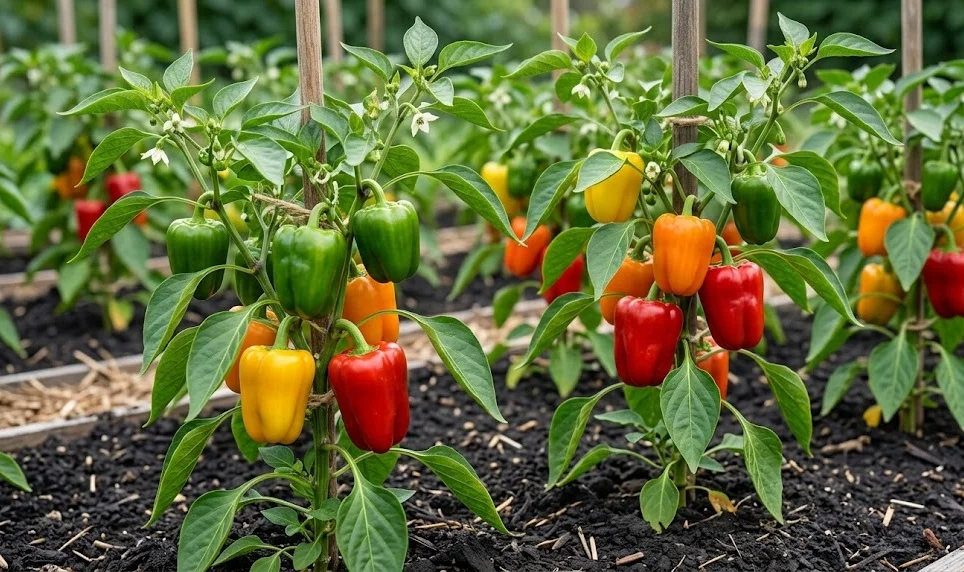
Choosing the right location in your garden is the key to a successful transition for your pepper plants. You should find a spot that receives at least six to eight hours of direct sunlight every single day. The soil should be well-draining and rich in organic matter to provide the nutrients and structure the plants require. Avoid planting peppers in the same spot where you grew tomatoes or potatoes recently to minimize the risk of shared diseases.
The timing of the final transplant should only occur when the soil has warmed up and the nights are consistently mild. You should wait until the night temperatures are reliably above ten degrees Celsius before moving your peppers into their permanent home. Planting into cold soil can shock the roots and cause the plant to sit idle for a long time without growing. Checking the long-term weather forecast helps you avoid a surprise late frost that could kill your entire crop.
Proper spacing between plants is essential for long-term health and ease of maintenance in the garden rows. You should space your peppers about forty to fifty centimeters apart to allow for the full expansion of the canopy. This gap ensures that each plant receives enough sunlight and that air can flow freely between the different individuals. Providing enough room also makes it much easier to harvest the fruits and spot any potential pest problems early.
When placing the plant in the ground, you should dig a hole that is slightly larger than the current root ball. You can plant peppers slightly deeper than they were in their pots to encourage the growth of additional roots along the stem. Press the soil down gently around the base to remove any large air pockets that could dry out the roots. Watering the plants immediately after transplanting helps settle the soil and provides the hydration needed to recover from the move.