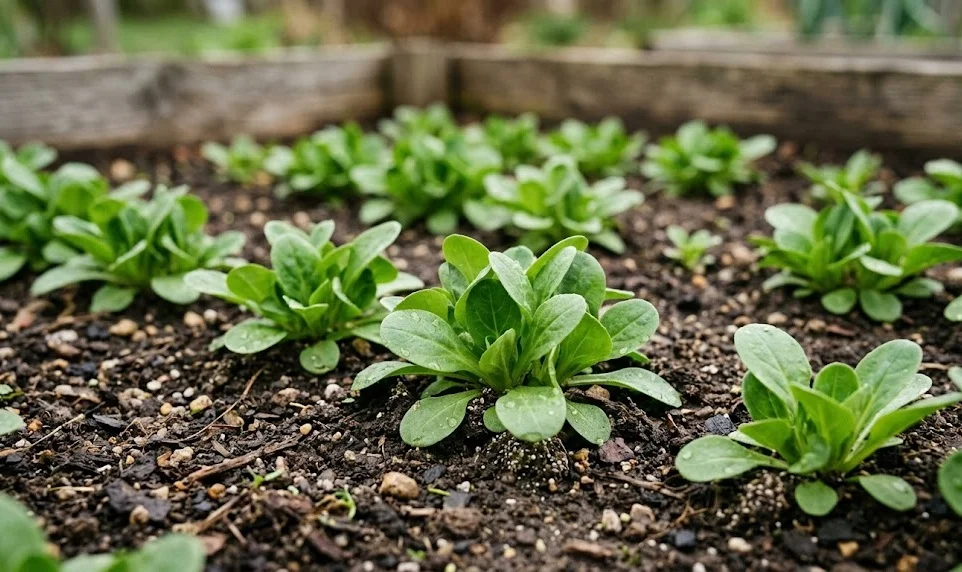

Care of corn salad requires a nuanced understanding of its specific biological needs to ensure a high-quality harvest throughout the cooler months. This leafy green thrives when environmental stressors are minimized through consistent observation and timely intervention. Establishing a routine that prioritizes soil health and moisture levels will result in tender, flavorful leaves that are characteristic of well-grown produce. Professional gardeners often emphasize that success with this crop lies in the details of daily management and long-term planning.
Fundamental care principles revolve around maintaining a stable environment that mimics the natural habitat of cool-season greens. One must pay close attention to the ambient temperature, as extreme fluctuations can trigger premature bolting or stunted growth. It is essential to keep the surrounding area free of debris that might harbor pathogens or unwanted insects. Consistent monitoring allows for the early detection of physiological changes that could indicate underlying issues with the root system or foliage.
Optimizing soil conditions involves more than just initial preparation; it requires ongoing attention to structure and aeration. The soil should remain friable and loose to allow for unrestricted root expansion, which is critical for nutrient uptake. Avoiding soil compaction is vital, especially in heavy clay areas where drainage might become an issue during periods of heavy rain. Integrating well-rotted organic matter periodically can help maintain the microbial activity necessary for a healthy growing medium.
Managing garden hygiene is a critical component of professional care that prevents the spread of soil-borne diseases. Regularly removing yellowing or damaged leaves helps focus the plant’s energy on producing healthy new growth. It is also important to maintain clear paths between rows to ensure adequate airflow and ease of access for maintenance tasks. Keeping the area free of weeds reduces competition for resources and eliminates potential hiding spots for pests.
Monitoring growth stages allows the gardener to adjust care routines based on the specific needs of the plant at that time. During the early vegetative stage, the focus should be on establishing a strong root base and a healthy rosette of leaves. As the plant matures, the emphasis shifts toward maintaining leaf quality and preventing any environmental triggers that might lead to seed production. Understanding the transition from young seedling to harvestable plant ensures that interventions are both timely and effective.
Environmental stress management is necessary when dealing with unpredictable weather patterns that can impact crop health. Providing temporary shade during unexpected warm spells can prevent the leaves from becoming bitter or tough. Similarly, using light horticultural fleeces during frost events can protect the delicate cell structure of the leaves from freezing damage. Balancing these protective measures requires a keen eye for local weather trends and a proactive approach to garden management.
Practical tools for maintenance should be kept clean and sharp to prevent accidental damage to the plants during routine tasks. Using a small hand hoe for light cultivation can help keep the surface soil open without disturbing the shallow root systems. Precise harvesting shears are recommended for collecting leaves to ensure clean cuts that heal quickly and do not invite infection. Investing in quality equipment and maintaining it properly reflects a professional commitment to excellence in gardening.
Post-growth sustainability involves considering the long-term health of the garden plot even after the primary harvest is complete. Clearing away all plant remains at the end of the season prevents the buildup of pests and diseases that could affect future crops. Planning for crop rotation ensures that the soil nutrients are not depleted and that specific pathogen cycles are broken effectively. This holistic view of care ensures that the garden remains productive and healthy for many years to come.