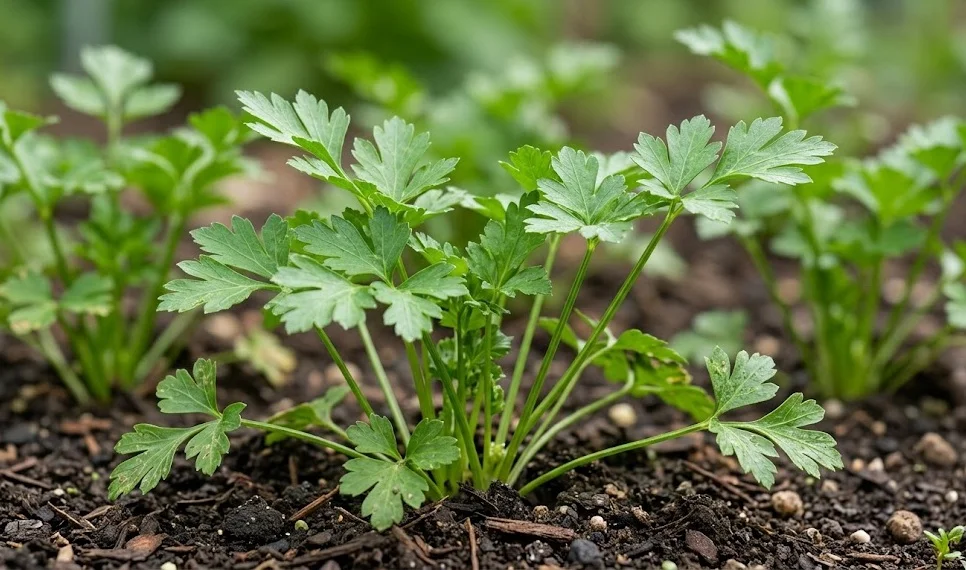

Light requirements of leaf parsley are a critical factor in determining the plant’s growth rate, leaf quality, and overall health. While parsley is often described as a versatile herb, its performance is directly linked to the quantity and quality of light it receives each day. In a professional horticultural setting, managing light exposure is just as important as irrigation or fertilization for achieving a high-quality crop. Finding the “sweet spot” between full sun and partial shade is the key to maintaining vibrant, flavorful foliage throughout the year.
Ideally, leaf parsley should receive at least six to eight hours of direct sunlight daily to produce the best yields. Full sun promotes the development of essential oils within the leaves, which are responsible for the characteristic aroma and flavor of the herb. In northern latitudes or during the shorter days of spring and autumn, maximizing sun exposure is necessary to prevent the plants from becoming “leggy” or pale. If you are growing parsley in a greenhouse, ensuring that the glazing is clean and unobstructed will allow the maximum amount of photosynthetically active radiation to reach the plants.
In regions with intense summer heat, providing some afternoon shade can actually be beneficial for the longevity of the parsley crop. While the plant loves light, the high temperatures associated with direct midday sun can cause the leaves to wilt or become unpleasantly tough. A site that receives bright morning sun but is shielded by taller plants or a lattice structure in the afternoon is often perfect. This balance prevents the soil from drying out too quickly and reduces the physiological stress on the plant during the hottest part of the day.
Light intensity and duration also play a role in the plant’s transition from its vegetative stage to its reproductive stage. Since parsley is a biennial, it naturally wants to produce flowers and seeds in its second year, a process often triggered by changes in day length. By managing the light environment, you can sometimes delay this “bolting” and extend the harvesting period of the foliage. In indoor or hydroponic setups, using full-spectrum LED grow lights allows you to mimic the ideal light conditions regardless of the external weather or season.