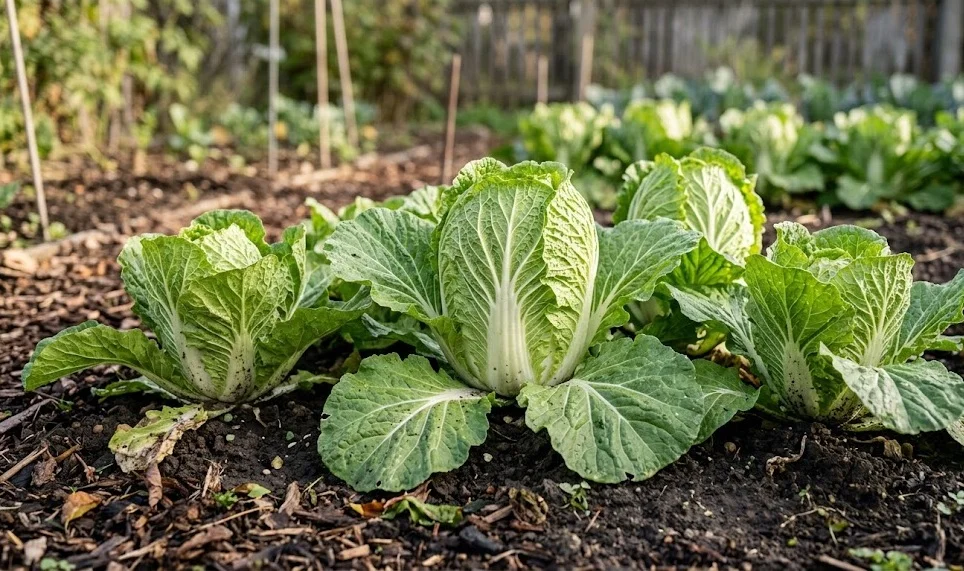

The relationship between napa cabbage and sunlight is a fundamental aspect of its growth that every professional gardener must master. As a plant that relies on photosynthesis to produce the energy for its large, succulent leaves, the amount and quality of light it receives are critical. However, because it is a cool-season crop, too much intense solar radiation can be just as damaging as too little light. Finding the perfect balance is the key to producing dense, healthy heads that are free from the bitterness often caused by environmental stress.
Photosynthesis is the engine that drives the rapid expansion of the cabbage foliage during the peak of the growing season. The plant requires a minimum of six hours of direct sunlight each day to maintain a healthy rate of growth and head development. If the light levels are too low, the plant will become leggy and weak, and it may never form the tight, compact head that is desired by the gardener. Understanding the movement of the sun across your garden will help you choose the best location for your cabbage patch.
Photoperiodism, or the plant’s response to the length of the day, also plays a significant role in the lifecycle of napa cabbage and its relatives. Long days and warm temperatures are the primary triggers that cause the plant to stop leaf production and begin the flowering process, also known as bolting. This is a survival mechanism for the plant but a disappointment for the gardener who wants to harvest a high-quality vegetable. Choosing the right planting window is essential for avoiding these long-day triggers and ensuring a successful and professional harvest.
Managing light exposure through the use of shade and reflective materials is a common practice among professional growers in challenging climates. In regions with very intense sun, providing some afternoon shade can help keep the plants cool and prevent the leaves from suffering from heat stress or sunscald. Conversely, in northern areas with limited light, using white mulch or reflective covers can help maximize the available solar energy for the developing crop. Observation and adaptation are the hallmarks of a gardener who understands the complex light requirements of napa cabbage.
The basics of photosynthesis in cabbage
The large, broad leaves of the napa cabbage are perfectly designed to capture as much sunlight as possible for the process of photosynthesis. Within the cells of these leaves, chlorophyll absorbs solar energy and uses it to convert carbon dioxide and water into glucose and oxygen. This sugar is the primary source of energy that the plant uses to build its complex structure and accumulate nutrients for the harvest. Without adequate light, this entire system slows down, leading to a significant reduction in the overall productivity and health of the garden.
More articles on this topic
Light quality, specifically the spectrum of light reaching the leaves, can also influence how the cabbage grows and develops throughout its life cycle. Blue light is particularly important for the growth of the foliage and for maintaining a compact and sturdy plant structure in the garden. Red light, on the other hand, plays a key role in the regulation of flowering and the transition between different developmental stages of the plant. Natural sunlight provides a full and balanced spectrum, which is why outdoor-grown cabbage often has a superior structure compared to those grown under low-quality artificial lights.
The intensity of the light is another factor that must be considered by the professional gardener when planning the layout of the vegetable patch. While napa cabbage needs plenty of energy, the extreme intensity of the mid-summer sun can sometimes exceed the plant’s ability to process the incoming solar radiation. This can lead to a phenomenon known as photoinhibition, where the photosynthetic machinery actually shuts down temporarily to prevent permanent damage to the cells. Providing filtered light or temporary shade during these peak periods can help the plant maintain its productivity and avoid unnecessary stress.
Monitoring the light levels in your garden using a light meter or by observing the shadows can help you identify the best microclimates for your crops. Remember that the angle of the sun changes throughout the year, meaning that a spot that is perfectly sunny in the spring might be in deep shade by the late autumn. A professional approach involves tracking these changes and planning your planting schedule to ensure that every cabbage plant receives the light it needs at every stage of its growth. Understanding your garden’s unique light dynamics is a powerful tool for any dedicated and successful vegetable grower.
Shade management and temperature control
Providing partial shade is often necessary for napa cabbage grown during the transition periods between the cool spring and the hot summer months. Shade cloth with a thirty to fifty percent density can reduce the intensity of the sun and help lower the temperature around the plants by several degrees. This simple intervention can prevent the cabbage from bolting and extend the harvesting window by several weeks in a warming climate. Many professional growers use temporary structures or hoops to support the shade cloth above the rows of cabbage for easy management.
More articles on this topic
The placement of taller companion plants, such as corn or pole beans, can also be used to provide natural and productive shade for your cabbage crop. By strategically planting these taller species to the south or west of the cabbage, you can shield the smaller plants from the hottest afternoon rays of the sun. This method not only manages light and temperature but also maximizes the use of space and resources in a diverse and healthy garden ecosystem. This ecological approach to light management is a hallmark of a professional and sustainable gardening system.
Sunscald is a physical injury that occurs when the leaves of the cabbage are suddenly exposed to intense sunlight after a period of shade or cloudy weather. This can happen if you remove row covers too abruptly or if you prune away too much of the protective outer foliage of the plant. Affected leaves will develop white or tan patches that eventually become dry and papery, reducing the plant’s photosynthetic capacity and its overall aesthetic value. To prevent sunscald, always acclimate your plants gradually to changes in light intensity and handle the leaves with care during the season.
During the cooler months of the late autumn and early winter, the challenge often shifts from managing too much light to making the most of the limited available sun. Positioning your winter garden in a south-facing location with a clear view of the low-angled sun is essential for maintaining growth during the short days. Removing any nearby obstacles that might cast long shadows, such as fallen leaves or overgrown weeds, will help ensure that every bit of solar energy reaches your cabbage. A professional winter gardener is always looking for ways to capture and utilize the precious sunlight that remains in the cold season.
Photoperiodism and its effects on growth
Photoperiodism refers to the way napa cabbage and other plants use the length of the day to determine when it is time to shift from leaf production to reproduction. As the days lengthen in the late spring, the internal clock of the plant signals that the window for optimal growth is closing and that it must produce seeds for the next generation. This leads to the development of a central flower stalk, which quickly consumes the energy stored in the leaves and makes the head loose and bitter. Understanding this biological trigger is the key to timing your plantings perfectly for a successful and professional harvest.
The critical day length for bolting varies between different varieties of napa cabbage, with some being much more sensitive to long days than others. Professional seed companies often provide information on “bolt resistance,” which indicates a variety’s ability to remain in the leafy stage even as the days become longer. If you are planting in the spring, it is essential to choose one of these resistant varieties to minimize the risk of a premature and disappointing harvest. For fall plantings, this is less of a concern as the days are naturally shortening as the cabbage reaches maturity.
Temperature and light often work together to influence the bolting response of napa cabbage in complex and sometimes unpredictable ways for the gardener. A cold snap followed by a sudden increase in day length and temperature is the most common trigger for the plant to start flowering unexpectedly. This combination of stressors can catch even an experienced grower off guard if they are not monitoring both the weather and the calendar closely each week. A professional approach involves using row covers to stabilize temperatures and choosing planting dates that minimize exposure to these environmental triggers.
By manipulating the light and temperature through the use of covers and strategic timing, you can effectively “trick” the cabbage into staying in the vegetative stage for longer. For example, using heavy black-out covers to artificially shorten the day length is a technique used in some professional greenhouse operations to prevent bolting. While this may be too labor-intensive for the average home gardener, it illustrates the importance of understanding the plant’s internal biological clock. Mastering the timing of your cabbage crop is the ultimate expression of a professional gardener’s skill and knowledge.