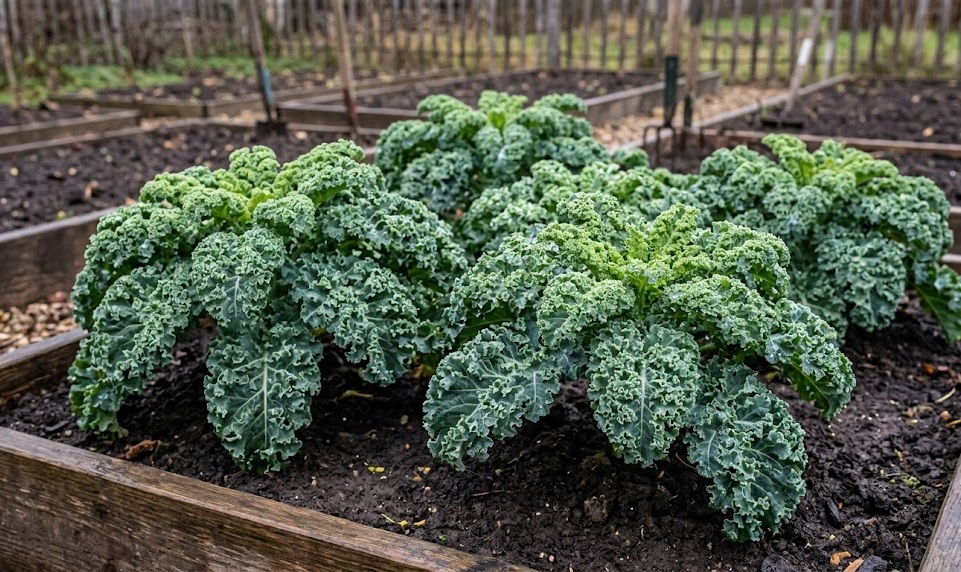

The relationship between light and the physiological development of curly kale is a fundamental aspect of its cultivation that influences everything from growth rate to nutritional content. While this plant is celebrated for its ability to thrive in cooler, less intense light conditions compared to many summer vegetables, it still possesses specific requirements for optimal performance. Understanding how to manage light exposure throughout the seasons allows you to maximize the health and productivity of your crop. By strategically placing your plants and managing shade, you can ensure they receive the energy necessary for vigorous leaf production.
In its ideal environment, curly kale prefers full sun exposure, which typically means at least six to eight hours of direct sunlight per day. This energy is essential for the process of photosynthesis, where the plant converts light into the chemical energy needed to build its complex, ruffled leaves. Plants grown in full sun tend to be more compact, have thicker leaf cuticles, and display more vibrant coloration. If the light levels are too low, the plant may become “leggy,” with long, weak stems and sparse foliage as it stretches to find more energy.
However, the intensity of the light is often linked to temperature, which can create challenges during the peak of the summer. In regions with very hot summers, providing some partial shade during the most intense afternoon hours can actually be beneficial. This “dappled” light prevents the plant from becoming heat-stressed, which can lead to wilting and a bitter flavor in the leaves. Finding the balance between enough light for growth and protection from excessive heat is a key skill for the professional gardener.
The orientation of your garden beds can also play a role in how light is distributed among your plants. For example, planting in north-south rows ensures that both sides of the kale plants receive an equal amount of sunlight as the sun moves across the sky. If you have a particularly shady garden, you can use reflective mulches or place your kale near white walls to increase the amount of ambient light available. These small adjustments can significantly improve the performance of your crop in less-than-ideal light conditions.
Summer heat protection and light management
During the longest days of the year, the combination of high light intensity and rising temperatures can cause kale to enter a state of semi-dormancy. To prevent this, you can use shade cloths or plant taller crops nearby to provide a natural canopy. Sunflowers, corn, or even trellised beans can offer the perfect amount of moving shade that protects the kale without completely blocking its light source. This integrated approach to light management helps maintain a continuous harvest even when the weather is not ideal.
More articles on this topic
It is also important to consider the impact of light on the soil temperature and moisture levels. Direct sunlight on bare soil causes rapid evaporation and can heat the root zone to levels that are stressful for the plant. By maintaining a thick layer of mulch and ensuring that the kale plants eventually create their own “living mulch” with their large leaves, you can mitigate these effects. The goal is to keep the foliage in the sun while keeping the roots in a cool, dark, and moist environment.
If you are growing kale in containers, you have the advantage of being able to move your plants to different locations as the light changes. During the spring and autumn, you can place the pots in the sunniest spots to take advantage of the milder rays. In the middle of summer, moving them to a location that receives morning sun and afternoon shade will help them stay productive and stress-free. This mobility is a great tool for managing the dynamic light needs of the plant throughout the year.
The color and texture of the leaves can provide immediate feedback on whether the light levels are appropriate for your plants. If the leaves appear overly pale or the stems are unusually long between the leaf nodes, the plant is likely asking for more light. Conversely, if the leaves are showing signs of “sunscald,” which looks like bleached or papery patches, the light intensity may be too high. Regular observation and small adjustments to the plant’s environment will help you find the perfect light balance.
Light and leaf quality during the off-season
As we move into the shorter days of late autumn and winter, the challenge shifts from managing excess light to maximizing the limited light available. During this time, every hour of sunlight is precious for maintaining the plant’s metabolism and health. You should ensure that no taller plants or garden structures are casting long shadows over your kale patch during the winter months. Trimming back nearby deciduous trees or clearing away dead summer crops can help open up the light window for your overwintering greens.
More articles on this topic
Interestingly, the lower light levels and cooler temperatures of winter play a major role in the flavor development of the kale. The slower growth rate allows the plant to concentrate nutrients and sugars within the leaves, leading to a much richer and more complex taste. While the plants may not increase significantly in size during the darkest weeks of the year, they are still active and require light to maintain their cellular integrity. A clear, sunny winter day provides a vital boost of energy that helps the plants survive the cold nights.
If you are using row covers or cold frames, you must be careful that these structures do not block too much light. Some heavy fabrics are great for insulation but can reduce light transmission to levels that cause the plants to yellow and weaken. Using clear plastic or specialized horticultural fleece ensures that the plants get the protection they need without sacrificing the energy from the sun. Cleaning the surfaces of these covers to remove dust or snow will also help maximize light penetration.
Finally, the return of longer days in the spring acts as the primary signal for the plant to begin its final reproductive phase. The increase in the “photoperiod,” or the number of hours of daylight, triggers the hormonal changes that lead to bolting and flowering. While you cannot stop this natural process, understanding its relationship to light helps you predict when your harvest will come to an end. By working with the natural cycles of light and the seasons, you can enjoy a highly successful and professional kale-growing experience.