

Lemon balm is a hardy perennial herb, a characteristic that allows it to survive cold winter temperatures and return with vigorous new growth each spring. Native to regions with distinct seasons, it has adapted to enter a period of dormancy to withstand the frost and snow. For the gardener, ensuring this resilient herb successfully navigates the winter months involves a few simple but important preparatory steps. Proper overwintering care protects the plant’s root system, the key to its survival, from the harshest elements of winter, setting the stage for a healthy and productive plant in the coming growing season.
The primary goal of overwintering is to insulate and protect the crown and roots of the plant from extreme cold and the damaging effects of repeated freezing and thawing cycles. While the top growth of the plant will naturally die back with the first hard frosts, the roots remain alive beneath the soil, storing energy for the spring revival. The care required will vary depending on your climate zone and whether the lemon balm is planted in a garden bed or in a container, as container-grown plants are more exposed to the cold.
Preparing your lemon balm for its winter rest begins in the autumn. This involves a final pruning and, in most cases, the application of a protective layer of mulch. These actions not inly help the plant survive the cold but also maintain a tidy garden space and reduce the chances of diseases carrying over from one season to the next. By taking these proactive steps, you work in harmony with the plant’s natural life cycle, providing the support it needs during its most vulnerable period.
Successfully overwintering your lemon balm is a rewarding aspect of herb gardening, demonstrating the cyclical nature of plant life. It is a testament to the plant’s tenacity and the gardener’s foresight. With just a little attention in the autumn, you can be confident that your lemon balm will endure the winter and greet you with its fresh, lemon-scented leaves as soon as the warmth of spring returns, ready for another season of harvesting.
Preparing plants in garden beds
For lemon balm planted directly in the garden, the overwintering process is quite straightforward, especially in its recommended hardiness zones (typically USDA zones 4-9). The plant’s top growth will begin to yellow and die back naturally after it is exposed to the first hard frosts of autumn. This is a normal part of its life cycle as it redirects its energy downwards into the root system for storage over the winter. This process is a clear signal to the gardener that it is time to prepare the plant for its dormant period.
More articles on this topic
Once the foliage has died back, it is best to cut the stems down to about 2 inches above the soil line. This “tidying up” serves several purposes. It removes the dead plant material, which can harbor fungal spores or the eggs of pests over the winter, promoting better plant health in the spring. It also gives the garden a neater appearance and makes it easier to apply a layer of winter mulch. Using clean, sharp pruning shears will ensure a clean cut and minimize any damage to the crown of the plant.
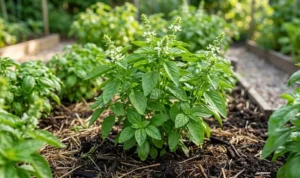
After cutting the plant back, the most important step for overwintering in-ground plants is to apply a protective layer of mulch. This mulch acts as a blanket, insulating the soil and protecting the roots from extreme temperature fluctuations. A 2 to 4-inch layer of organic material such as shredded leaves, straw, or wood chips works very well. Apply the mulch over the crown of the plant after the ground has had a chance to cool down but before the first deep freeze.
This layer of mulch is particularly important in colder climates or in areas where snow cover is unreliable. Snow itself is an excellent insulator, but without it, the roots are more exposed to cold, drying winds and freeze-thaw cycles that can heave the plant out of the ground. The mulch provides a consistent layer of protection. In the spring, once the threat of hard frost has passed and you see new growth beginning to emerge, gently pull the mulch back from the crown to allow the new shoots to receive sunlight and air.
Overwintering container-grown plants
Lemon balm grown in containers requires more attention for overwintering than plants in the ground. The soil in a pot is exposed to the cold air from all sides, causing it to freeze much more quickly and deeply than the insulated soil in a garden bed. This can be fatal to the plant’s roots, even in climates where an in-ground plant would survive without any issue. Therefore, additional steps must be taken to protect the root system of potted lemon balm.
More articles on this topic
In colder climates (approximately USDA zones 6 and below), the most reliable method is to move the container to a sheltered, unheated location for the winter. An attached garage, a shed, a basement, or a cold frame are all excellent options. The goal is not to keep the plant warm and growing, but simply to keep the soil in the pot from freezing solid. The plant will still go dormant in these conditions, but its roots will be protected from the most extreme temperatures.
Before moving the pot indoors, prepare the plant by cutting back the top growth, just as you would for a garden plant. Check the pot for any pests to avoid bringing them into your storage area. Throughout the winter, the plant will need very little water, as it is not actively growing. Check the soil every few weeks and provide just enough water to keep it from becoming completely bone-dry. The soil should remain slightly moist to the touch.
In more moderate climates (approximately USDA zones 7-9), it may be possible to leave the container outdoors, provided you take steps to insulate it. You can wrap the pot in bubble wrap, burlap, or old blankets to provide a layer of insulation. Another effective technique is to group several containers together in a sheltered spot, such as against a house wall, which reduces their exposure to wind and cold. You could also sink the entire pot into an empty garden bed, allowing the surrounding soil to provide natural insulation.
Winter care and spring revival
During the winter months, whether your lemon balm is in the ground under a layer of mulch or in a pot in a sheltered location, it requires minimal care. The plant is dormant, so it is essentially in a state of rest. The primary task for the gardener is simply to ensure that the protective measures put in place remain effective and to resist the temptation to overwater any stored containers. This is a period of patience, trusting that the plant has the resources it needs to survive.
As winter draws to a close and the days begin to lengthen, it is time to start thinking about the plant’s spring revival. For plants that were overwintered in the ground, you should begin to pull the mulch away from the crown of the plant as soon as the danger of a hard freeze has passed. This allows the sun to warm the soil and encourages the new shoots to emerge. Leaving the mulch on for too long can smother the new growth and keep the soil too cool and damp.
For container-grown plants that were stored in a garage or shed, you can begin to move them back outdoors once the daytime temperatures are consistently above freezing. It is best to do this gradually, in a process similar to hardening off seedlings. Start by placing the pot in a shady, protected spot for a few hours a day, and slowly increase its exposure to direct sunlight over the course of a week or two. This prevents the tender new growth from being scorched by the sun or shocked by the change in temperature.
Once the plant is re-established outdoors or the new growth is well underway in the garden, you can resume your normal care routine. This is a good time to provide a thorough watering to rehydrate the soil and encourage root activity. As the new shoots grow, you can see the success of your overwintering efforts. A healthy lemon balm plant will quickly produce a flush of fragrant new leaves, signaling the start of another rewarding growing season.
Lemon balm is incredibly hardy here in zone 6. I don’t really do anything special for it in the winter, and it always comes back even stronger the following year. I usually leave the dead stems standing until early spring to provide a bit of winter interest and shelter for beneficial insects. Once I see the first green shoots appearing at the base, I cut the old stems back to the ground. It is one of the first things to wake up in my garden, which is always a welcome sight after a long winter.
I grow mine in large pots on my patio, so I do move them into a more sheltered spot for the winter. I place them against the wall of the house to protect them from the coldest winds. I also wrap the pots in a bit of burlap to provide some insulation for the roots. They seem to do just fine with this minimal level of protection. I have found that container-grown herbs are a bit more vulnerable to freezing, so the extra effort is worth it. I am always amazed at how resilient this plant is.
Steven, the burlap wrap is a great idea for container plants! I lost a few potted herbs last year because the roots froze solid during a particularly cold week. I will definitely try your method this year. I also make sure the pots are slightly raised off the ground to prevent them from sitting in freezing water. It is all about protecting those roots. I can’t wait to have fresh lemon balm tea again in a few months!