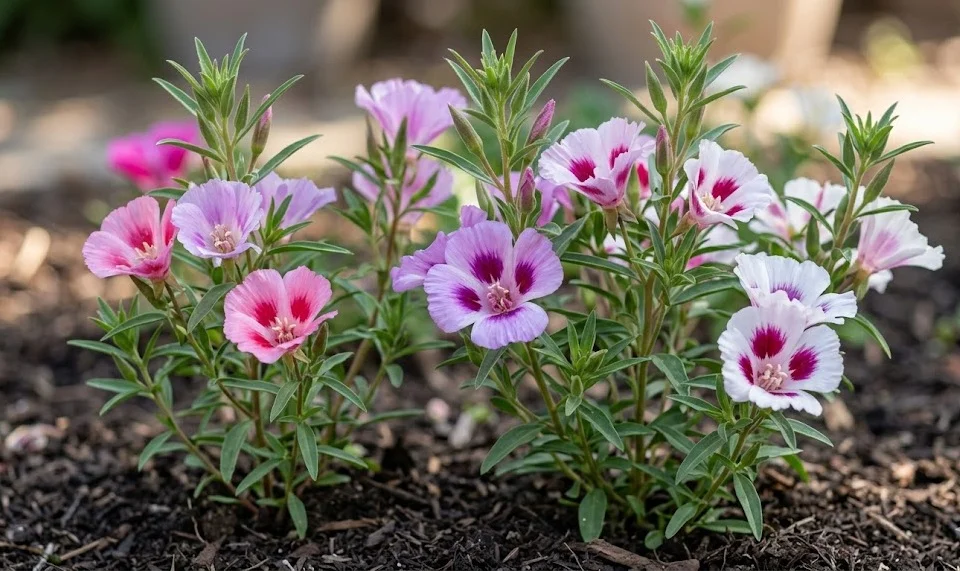

Mastering the hydration and nutrient needs of godetia is a delicate balance that requires you to pay close attention to the subtle cues of the plants. These annuals appreciate a consistent supply of moisture, yet they are highly sensitive to standing water which can quickly lead to root decay. Providing the right amount of water at the correct time of day ensures that the foliage remains vibrant and the flower production stays high throughout the season. Similarly, a thoughtful approach to fertilization supports strong stems and brilliant colors without overwhelming the plant with excessive chemicals.
Hydration basics
Establishing a regular watering schedule is the first step in keeping your flower beds healthy during the warm summer months. You should aim to water the plants in the early morning hours before the sun reaches its full intensity. This timing allows the moisture to soak deep into the soil and gives the leaves time to dry off before the evening. Watering late at night can leave the foliage damp for too long, which often creates an environment where mold can thrive.
The method of delivery is just as important as the timing when you are providing water to your garden. You should focus the stream at the base of the plants rather than spraying the flowers and leaves from above. Using a soaker hose or a watering can with a long spout helps to deliver the hydration directly to the root zone where it is needed most. This practice keeps the delicate petals from being damaged by the weight of the water and reduces the waste of resources through evaporation.
Understanding the depth of the root system helps you decide how much water to provide during each session. You should aim for a deep soak that penetrates several inches into the ground rather than frequent, shallow waterings. This encourages the roots to grow deeper into the soil where they are better protected from the surface heat and dry spells. A well-established root system makes the plant much more resilient and capable of handling fluctuations in the local weather.
Observing the soil texture will tell you a lot about how often you need to bring out the garden hose. You should feel the top inch of the dirt with your fingers to check if it has become dry and crumbly. If the soil still feels cool and damp, it is often better to wait another day before adding more water. Developing this intuitive sense for the needs of your garden is a hallmark of an experienced and successful grower.
More articles on this topic
Soil moisture monitoring
Using simple tools can help you take the guesswork out of managing the water levels in your garden beds. You might consider using a basic moisture meter that provides an instant reading of how much water is available at the root level. These devices are particularly helpful if you have different types of soil in various parts of your yard. Knowing exactly when to water prevents you from the common mistake of over-saturating the ground and harming the plants.
Environmental factors like wind and humidity also play a significant role in how quickly the soil dries out in your area. You should notice that on windy days, the moisture evaporates much faster from the surface of the beds and the leaves. During periods of high humidity, the plants may need less supplemental water as the air itself is holding more moisture. Adapting your routine to these atmospheric conditions shows a high level of professional care and attention to detail.
Mulching the area around your flowers is one of the most effective ways to preserve soil moisture and regulate temperature. You should apply a layer of organic material like shredded bark or clean straw to act as a protective barrier. This mulch keeps the sun from baking the surface of the earth and significantly reduces the amount of water you need to provide. As the mulch breaks down over time, it also adds valuable organic matter back into the soil, improving its overall quality.
Watching the behavior of the plants themselves is the ultimate way to monitor their hydration status. You should look for a slight loss of tension in the leaves or a subtle drooping of the stems as an early sign of thirst. However, you must be careful not to confuse temporary heat wilting with a genuine lack of water in the soil. If the plants bounce back once the sun goes down, they likely have enough moisture and are just reacting to the midday heat.
More articles on this topic
Nutrients for blooming
Providing the right fuel for your plants involves more than just picking a random box of fertilizer from the store shelf. You should look for a formula that is specifically designed for flowering plants, often labeled with a higher middle number for phosphorus. This element is the primary driver for flower development and helps the plant produce the satiny, colorful blooms you desire. A balanced approach ensures that the plant has the energy it needs without forcing unnatural or weak growth.
The timing of your nutrient applications can make a significant difference in the quality of the floral display. You should begin a light feeding schedule once the plants have established themselves and are starting to show signs of budding. Applying fertilizer too early in the lifecycle can sometimes lead to excessive green growth at the expense of the flowers. Waiting until the plant is ready to bloom ensures that the nutrients are used for their intended purpose in the garden.
Organic options like compost tea or seaweed extracts are excellent choices for a professional-grade gardening routine. You should find that these natural fertilizers provide a wide range of micronutrients that are often missing from synthetic products. They also help to build the long-term health of the soil by supporting beneficial bacteria and fungi that live underground. Using organic methods creates a more sustainable and vibrant ecosystem in your backyard or farm.
Avoiding the temptation to over-feed your plants is a critical lesson for every serious gardener to learn. You should always follow the manufacturer’s instructions for dosage and frequency to prevent the buildup of salts in the soil. Excessive fertilizer can actually burn the delicate roots and cause the leaves to turn brown or brittle at the edges. A “less is more” philosophy often leads to healthier, more resilient plants that can stand on their own throughout the summer.
Application methods
How you apply the nutrients is just as important as the quality of the fertilizer you choose to use. You should ensure the soil is already moist before applying any liquid or granular food to the base of the plants. Applying fertilizer to bone-dry ground can cause a sudden shock to the root system and may lead to chemical burns. A quick watering before and after the feeding helps to distribute the nutrients evenly and safely through the dirt.
Foliar feeding is another technique you might consider for a quick boost of energy during the peak of the growing season. You should use a very diluted solution and spray it gently onto the leaves during the coolest part of the day. The plants can absorb some nutrients directly through their foliage, which can be helpful if the root system is temporarily stressed. However, this method should only be used as a supplement to a solid soil-based nutrition program.
Granular fertilizers offer a slow-release option that can save you time and provide a steady supply of food over several weeks. You should scatter the granules evenly around the base of the plants and lightly scratch them into the surface of the soil. As you water the garden or as it rains, the nutrients are gradually released into the ground where the roots can find them. This method is particularly useful for large beds where individual liquid feeding would be too time-consuming.
Keeping your tools and containers clean after every application prevents the accidental spread of unwanted substances. You should rinse out your watering cans and measuring cups to ensure that no concentrated residue is left behind for the next use. Storing your fertilizers in a dry, secure location keeps them from clumping or losing their effectiveness over time. Organized and careful habits are the foundation of a professional approach to gardening and agriculture.
Avoiding over-fertilization
Recognizing the signs of nutrient toxicity is a skill that will help you protect your plants from well-intentioned mistakes. You should look for unusually dark green leaves that seem brittle or distorted in their shape and size. A crust of white salt on the surface of the soil is another clear indicator that you have been applying too much fertilizer. If you notice these signs, the best course of action is to flush the soil with plenty of clean water to wash away the excess.
High nitrogen levels can be particularly problematic for this species as it encourages the plant to grow too tall and thin. You should find that these leggy plants often fall over under the weight of their own foliage or a light breeze. The focus on green growth also delays the onset of blooming, which can shorten your overall enjoyment of the garden. Keeping the nitrogen in check is essential for maintaining the compact, bushy habit that looks best in a flower bed.
The environmental impact of excessive fertilizer use is something every responsible gardener should keep in mind. You should be aware that surplus nutrients can wash out of your garden beds and into the local groundwater or nearby streams. This runoff can contribute to algae blooms and other ecological issues in your community’s water systems. By using only what the plants truly need, you are doing your part to protect the natural world around you.
Relying on a healthy soil foundation often reduces the need for heavy supplemental feeding throughout the year. You should focus on building the organic content of your beds through the regular addition of high-quality compost and mulches. A rich, living soil provides a steady and natural source of everything your plants require to thrive. This long-term strategy leads to a more balanced garden that is easier to maintain and more beautiful to behold.