
Protecting your plants from biological threats is a constant challenge that requires both vigilance and a scientific understanding of pathogens. While this species is relatively hardy, it is not entirely immune to the various fungi, bacteria, and insects that inhabit the garden. A proactive approach to plant health is always more effective than attempting to cure a severe infestation or infection. You should focus on creating an environment that favors the plant while making it difficult for pests and diseases to gain a foothold.
Integrated Pest Management (IPM) is the professional standard for dealing with these issues in a sustainable and effective way. This approach prioritizes cultural controls and biological solutions over the use of harsh synthetic chemicals. By monitoring the garden regularly, you can catch problems while they are still small and manageable. Understanding the life cycles of common pests allows you to intervene at the most vulnerable points in their development.
The overall vigor of the plant is its first and most important line of defense against any external threat. Stress from drought, poor nutrition, or improper lighting can weaken the plant’s natural immune responses. A healthy specimen produces its own chemical compounds that can deter many types of herbivorous insects and inhibit fungal growth. Therefore, the best pest control strategy is actually a solid program of general maintenance and care.
When you do notice signs of damage, it is essential to accurately identify the cause before taking any action. Misidentifying a beneficial insect as a pest can lead to treatments that do more harm than good to the garden ecosystem. Similarly, applying a fungicide to a bacterial infection will be completely ineffective and a waste of resources. Use professional resources or local agricultural extensions to help you diagnose any unusual symptoms you find on your plants.
Identifying common fungal pathogens
Fungal issues are the most frequent health problems encountered by gardeners growing this subspecies in humid climates. Powdery mildew is a common sight, appearing as a white, flour-like dusting on the surface of the leaves. This fungus thrives when the air is stagnant and the nights are cool but the days are warm and humid. While it is rarely fatal, a severe infection can reduce the plant’s ability to photosynthesize and weaken it over time.
More articles on this topic
Leaf spot diseases are another fungal category that can affect the aesthetic appeal and health of the foliage. These typically appear as small, dark circles with a lighter center, often surrounded by a yellow halo of stressed tissue. If left untreated, the spots can merge, causing entire leaves to turn brown and drop prematurely from the stem. Improving the airflow around the plants and avoiding overhead watering are the best ways to prevent these spores from germinating.
Root rot and crown rot are more serious fungal conditions that are usually caused by excessively wet soil. These pathogens attack the plant below the ground or at the soil line, cutting off the flow of water and nutrients. You might notice the plant wilting even when the soil is damp, or the stems may become soft and mushy at the base. Once these diseases take hold, it is very difficult to save the plant, and the soil may remain contaminated for several years.
Rust is another fungus that can be identified by the orange or reddish pustules that form on the undersides of the leaves. It is often spread by wind and splashing rain, making it difficult to control once it appears in a large colony. Removing and destroying any infected foliage immediately can help slow the spread to healthy neighboring plants. Choosing resistant cultivars and maintaining a clean garden environment are the best long-term strategies against rust.
Viral and bacterial threats
Bacterial infections are less common than fungal ones but can be much faster and more destructive when they do occur. Bacterial leaf scorch or wilt can cause a sudden decline in the plant’s health that looks like extreme drought stress. You might see a characteristic yellowing or browning of the leaf margins that moves inward toward the central vein. Unfortunately, there are very few effective treatments for bacterial diseases, and infected plants should often be removed to protect the rest of the garden.
More articles on this topic
Viruses are another significant threat that can be introduced to the garden by sucking insects like aphids or through contaminated tools. Symptoms of a viral infection often include distorted growth, mottled leaf patterns, or strange color breaks in the flowers. These pathogens hijack the plant’s cellular machinery to replicate themselves, making them impossible to cure once they are inside the plant. Strict hygiene and controlling the insect vectors are the only reliable ways to manage viral risks.
Gall-forming bacteria can sometimes cause unusual swelling or growths on the stems or roots of the plant. These galls can interfere with the normal movement of fluids and provide a gateway for other opportunistic pathogens. While the plant may survive with a few small galls, a large number can cause significant stunting and loss of vigor. Pruning away the affected parts with sterilized tools can sometimes manage the problem in its early stages.
Prevention is the only truly effective strategy when it is coming to managing bacterial and viral diseases in a professional setting. Always buy your plants from reputable nurseries that certify their stock as being free of known pathogens. Avoid working in the garden when the plants are wet, as this is the primary way that many bacteria are spread between specimens. Keeping your pruning shears and other tools clean with an alcohol solution will also prevent the accidental transfer of microscopic threats.
Managing insect infestations
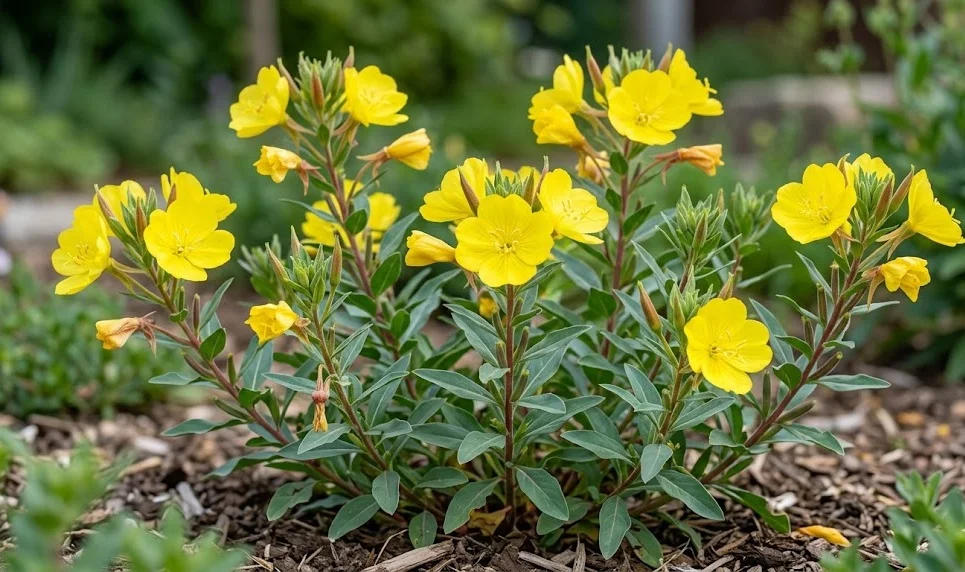
A variety of insects may find your evening primrose plants to be an attractive source of food or a place to lay their eggs. Aphids are perhaps the most common pests, gathering in large clusters on the tender new growth and flower buds. They suck the sap from the plant, which can cause the leaves to curl and become stunted over time. A strong stream of water from a hose is often enough to knock them off the plant and disrupt their feeding cycle.
Leaf-eating caterpillars and beetles can also cause significant physical damage to the foliage during the peak of the growing season. You might notice large holes in the leaves or entire sections of the stem being stripped of their green tissue. Hand-picking these larger pests is a simple and effective way to manage small populations without resorting to sprays. Encouraging natural predators like birds and predatory wasps can also keep these insect populations in check.
Spider mites are microscopic pests that can become a major problem during hot, dry periods of the summer. They live on the undersides of the leaves and cause a characteristic stippling or bronzing of the foliage. You might also see very fine webbing between the stems if the infestation is particularly heavy. Keeping the plants well-hydrated and occasionally misting the foliage can create an environment that is less favorable for these tiny arachnids.
Root-feeding larvae, such as those of certain beetles, can cause damage that is hidden from view until it is quite advanced. These pests eat the fine root hairs, reducing the plant’s ability to take up water and nutrients from the soil. You might see a gradual yellowing of the plant or a general lack of vigor that doesn’t respond to watering or fertilizer. Using beneficial nematodes in the soil can be an effective biological way to control these underground threats.
Integrated pest management strategies
The first step in any IPM program is regular and systematic monitoring of the entire garden area. You should walk through your plantings at least once a week, looking for any changes in color, texture, or growth patterns. Using a hand lens can help you see tiny pests or early signs of disease that might be missed by the naked eye. Keeping a garden journal allows you to track when certain issues appear and how effective your interventions have been.
Cultural controls are the foundation of a healthy garden and should always be your first line of defense. This includes choosing the right location, providing proper spacing for airflow, and managing irrigation to avoid wet foliage. Rotating your crops and diversifying your plantings can also prevent the buildup of specific pests and diseases in one area. A clean garden with no standing debris or weeds provides fewer hiding places for pests to overwinter.
Biological controls involve using the natural enemies of pests to keep their populations at a manageable level. You can attract beneficial insects like ladybugs, lacewings, and syrphid flies by planting a wide variety of flowering species. Avoiding broad-spectrum insecticides is crucial because these chemicals often kill the good bugs along with the bad ones. A balanced ecosystem is naturally more stable and requires much less intervention from the gardener.
Mechanical and physical controls are simple yet highly effective ways to manage many common garden problems. This can include using row covers to protect young plants, installing traps for specific insects, or simply pruning away infected tissue. Barrier methods can prevent many pests from ever reaching your plants in the first place. These techniques are often safer for the environment and for the person working in the garden than chemical alternatives.
Recovery and rehabilitation strategies
If your plants have suffered from a severe disease outbreak or pest infestation, they will need extra care to recover. The first priority should be to remove the source of the stress, whether that means applying a targeted treatment or improving the environment. You should prune away any dead or heavily damaged tissue to allow the plant to focus its energy on new growth. Be sure to dispose of this material in the trash rather than the compost pile to avoid spreading the problem further.
Providing a light application of a balanced, water-soluble fertilizer can help stimulate the plant’s recovery process. However, you should avoid over-stimulating the plant while it is still in a weakened state. Ensure that the irrigation is consistent and that the plant is not competing with weeds for resources during this critical time. A little extra attention during the rehabilitation phase can make the difference between losing the plant and seeing it thrive again.
Sometimes the best decision for the health of the entire garden is to remove a chronically ill or infested plant. If a specimen continues to struggle despite your best efforts, it may be acting as a reservoir for pathogens that could spread. Replacing the plant with a more resistant variety or changing the layout of the garden can prevent the problem from recurring. Professional gardening involves making these tough choices to ensure the long-term success of the landscape.
Finally, take the time to reflect on why the problem occurred and what changes can be made to prevent it in the future. Was the plant too crowded, or was the soil not draining as well as you thought? Use every challenge as a learning opportunity to refine your horticultural skills and improve your management techniques. A resilient garden is built over many years of observation, care, and continuous learning from both successes and failures.