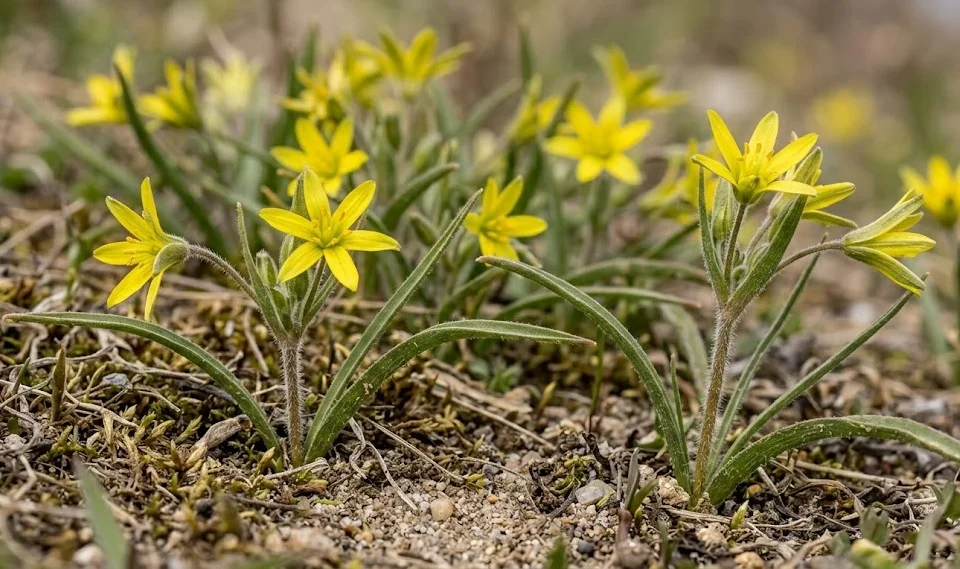

While the hairy star-of-Bethlehem is generally considered a resilient species, it is not entirely immune to the various biological threats that can inhabit a garden or agricultural field. Success in maintaining a healthy population depends on the gardener’s ability to identify potential issues before they become widespread and destructive. From fungal infections that thrive in damp conditions to various insects that see the tender spring growth as a food source, the list of potential adversaries is significant. A professional approach to plant health involves a combination of preventive cultural practices and targeted interventions when problems do arise.
The primary line of defense against most diseases and pests is the health and vigor of the plants themselves. Well-sited bulbs that are growing in the right soil with proper moisture and light levels are much more likely to resist infections and recover from minor pest damage. Stress is a major factor that predisposes plants to illness, so maintaining optimal growing conditions is the most effective preventive measure you can take. Consistent monitoring during the short active season allows for the early detection of any anomalies in growth or appearance.
Integrated Pest Management (IPM) is the standard professional framework for dealing with these issues in a sustainable and environmentally friendly way. This approach prioritizes mechanical and cultural controls, such as manual removal of pests or adjusting the local environment to be less favorable to pathogens. Chemical treatments are seen as a last resort and are only used when other methods have failed to keep the damage within acceptable levels. By understanding the lifecycle of both the plant and its pests, you can intervene at the most effective moments.
Communication with other local growers and horticultural experts can also provide valuable information about emerging pest or disease trends in your region. Often, a specific pathogen or insect will have a “good year” due to favorable weather conditions, and being forewarned can help you prepare your defenses. Sharing observations and successful management strategies strengthens the entire gardening community and helps protect the genetic diversity of these specialized plants. Vigilance and cooperation are essential for the long-term preservation of the species in our landscapes.
Identifying and managing fungal rust
One of the most common fungal issues that can affect this species is a type of rust that manifests as small, orange or brown pustules on the leaves. This pathogen is particularly active during cool, wet springs when the humidity levels around the base of the plants are consistently high. If left untreated, the rust can spread quickly through the colony, reducing the plant’s ability to photosynthesize and weakening the bulb for the following year. Early identification is key, as the first signs of infection are often quite subtle and can be easily overlooked.
More articles on this topic
Management of fungal rust begins with improving the air circulation around the plants to reduce the local humidity that the fungus requires to thrive. This can be achieved by thinning out any nearby dense vegetation or by ensuring that the bulbs are not planted too closely together. Avoiding overhead watering is also crucial, as moisture on the foliage provides the perfect environment for fungal spores to germinate. If an infection is caught early, removing and destroying the affected leaves can often stop the spread of the disease to neighboring plants.
In cases where the infection is more widespread, professional-grade organic fungicides may be necessary to protect the remaining healthy tissue. Sulfur-based sprays are often effective against rust when applied according to the manufacturer’s instructions at the first sign of trouble. It is important to treat both the upper and lower surfaces of the leaves, as the fungal spores can hide in the most inconspicuous places. Repeated applications may be required if the weather remains favorable for the pathogen’s development throughout the spring.
After the growing season is over, it is important to clean up any fallen debris from the infected plants to prevent the fungus from overwintering in the soil. Fungal spores are remarkably resilient and can survive for many months in plant litter, waiting for the right conditions to strike again the following spring. Removing and composting the old leaves in a hot pile, or disposing of them off-site, breaks the disease cycle and protects the future health of the colony. Hygiene is a fundamental principle of professional plant care that should never be ignored.
Combating bulb rot pathogens
Bulb rot is perhaps the most serious threat to the long-term survival of a colony, as it directly attacks the plant’s primary storage organ. This condition is usually caused by a variety of soil-borne fungi and bacteria that thrive in waterlogged, anaerobic conditions. Affected bulbs become soft, discolored, and may emit an unpleasant odor as they decompose within the soil. Often, the first sign of trouble above ground is the sudden yellowing or wilting of the leaves, which occurs because the damaged bulb can no longer support the plant’s growth.
More articles on this topic
Preventing bulb rot is almost entirely dependent on ensuring that the planting site has excellent drainage and that the soil is not excessively heavy. If you suspect that your soil is too prone to saturation, it is best to move the bulbs to a more suitable location or to significantly amend the area with grit and organic matter. Avoid planting bulbs in low spots where water naturally collects after a rainstorm, as these areas are high-risk zones for rot. Proper site selection is the single most important factor in preventing this devastating condition.
If you discover infected bulbs while dividing or transplanting a colony, it is vital to act quickly to prevent the pathogens from spreading. Any bulbs that show signs of softness or decay should be removed and destroyed immediately; they should never be added to a garden compost pile. The surrounding soil may also harbor the pathogens, so it is often wise to replace the soil in the immediate vicinity or to leave that spot unplanted for a few years. Quick and decisive action is required to save the rest of the healthy bulbs in the area.
Some professional growers use a pre-planting dip of a mild fungicidal solution to protect their bulbs from soil-borne diseases. While this can be effective, it is no substitute for maintaining a healthy soil environment that naturally discourages the growth of rot-causing organisms. A balanced soil microbiome, full of beneficial fungi and bacteria, is the best long-term defense against the pathogens that cause bulb rot. Focusing on soil health creates a resilient foundation that allows the star-of-Bethlehem to thrive even in challenging years.
Managing insect and gastropod pests
While they are not usually a primary target for many insects, the tender green leaves of this species can sometimes attract aphids or thrips in the early spring. These small insects feed on the plant’s sap, which can lead to distorted growth and a general decline in the plant’s vigor. In most cases, a strong stream of water from a garden hose is enough to dislodge these pests and keep their numbers under control. For more persistent infestations, an application of insecticidal soap or neem oil can be used without harming the environment or beneficial insects.
Slugs and snails are often a more significant problem, especially during damp spring nights when they emerge to feed on the new foliage and flowers. These gastropods can cause considerable damage in a short amount of time, sometimes consuming entire leaves or flower buds before they have a chance to open. Traditional management techniques include the use of physical barriers like copper tape or crushed eggshells around the base of the plants. Professional gardeners also use beer traps or organic slug pellets that are safe for birds and other wildlife that may visit the garden.
Another potential pest is the bulb fly, whose larvae can tunnel into the bulbs and consume them from the inside out. While this is more common in larger bulbs like narcissus, smaller species can sometimes be affected if they are growing in the same area. Signs of bulb fly damage include stunted growth or the total failure of the bulb to produce leaves in the spring. If you find larvae inside a bulb during division, the bulb should be discarded immediately to prevent the next generation of flies from emerging.
Maintaining a clean and tidy garden environment is the most effective way to reduce the population of many common pests. Removing excess leaf litter and debris from around the plants eliminates the hiding spots where slugs and harmful insects like to congregate during the day. Encouraging natural predators, such as birds, toads, and beneficial beetles, also helps keep pest populations in a natural and manageable balance. A professional garden is a complex ecosystem where every inhabitant plays a role in maintaining the health of the whole.
Cultural practices for prevention
The way you interact with your plants and their environment on a daily basis has a profound impact on their overall health and resistance to issues. For example, using clean and sanitized tools when dividing bulbs or trimming foliage prevents the accidental transfer of pathogens between different parts of the garden. Dipping your trowels and forks in a mild bleach solution or rubbing alcohol after use is a simple but effective habit to adopt. Professionalism is often found in these small, consistent details of garden maintenance.
Crop rotation, or rather the rotation of planting sites, can also be a useful strategy if a particular area has become infested with soil-borne pests or diseases. If a colony of star-of-Bethlehem has suffered from rot or a significant pest outbreak, moving the new bulbs to a fresh site can break the cycle of infection. This allows the old site time to recover and for the populations of harmful organisms to naturally decline in the absence of their host plant. Flexibility in your garden plan is a valuable asset when dealing with persistent biological challenges.
Avoiding the use of high-nitrogen fertilizers is another important cultural practice for preventing both diseases and pests. Excess nitrogen leads to very soft, succulent growth that is much more attractive to sucking insects and more easily penetrated by fungal hyphae. By providing a balanced, slow-release source of nutrients, you encourage the development of stronger cell walls and a more robust plant overall. This natural strength is the best defense the plant has against the various threats it may encounter in the wild or in the garden.
Finally, always be mindful of the source of any new plants or soil that you bring into your garden, as these are the most common ways that new diseases and pests are introduced. Purchasing bulbs from reputable nurseries that follow strict health and quality standards is a wise investment in the future of your landscape. If you are gifted plants from a friend, it is often a good idea to quarantine them in a separate area for a season to ensure they are free from any hidden problems. Protecting your existing collection starts with a cautious and informed approach to new additions.
Professional diagnostic techniques
When faced with an unknown plant health problem, a professional gardener knows how to use systematic diagnostic techniques to identify the root cause. This involves looking at the pattern of the damage across the entire colony and noting any specific environmental factors that may have contributed to the issue. Is the damage localized to one part of the plant, or is the entire population affected? Are there signs of a physical pest, such as bite marks or slime trails, or does the issue look more like a systemic infection?
Digital technology has made it easier than ever to get professional help with plant diagnostics through various online forums and identification apps. Taking high-quality, clear photographs of the symptoms from multiple angles can provide experts with the information they need to offer an accurate diagnosis. It is also helpful to include photos of the surrounding environment and the soil conditions to give a complete picture of the situation. Modern tools combined with traditional expertise allow for faster and more effective interventions.
In some cases, it may be necessary to send a sample of the affected tissue or soil to a professional laboratory for analysis. These services can identify specific pathogens or nutrient imbalances that are not visible to the naked eye, providing a level of certainty that is essential for complex cases. While there is a cost associated with these services, the information they provide can save you a significant amount of money and effort in the long run. Professionalism means knowing when you need specialized data to make the best decisions for your plants.
Once a diagnosis has been made, the professional gardener documents the entire process, including the treatments used and the plants’ response over time. This record-keeping is invaluable for managing future outbreaks and for refining your care strategies based on what has worked in the past. Over time, you will develop a deep understanding of the specific challenges faced by the hairy star-of-Bethlehem in your unique microclimate. This specialized knowledge is what transforms a casual hobbyist into a true expert in the field of horticulture.