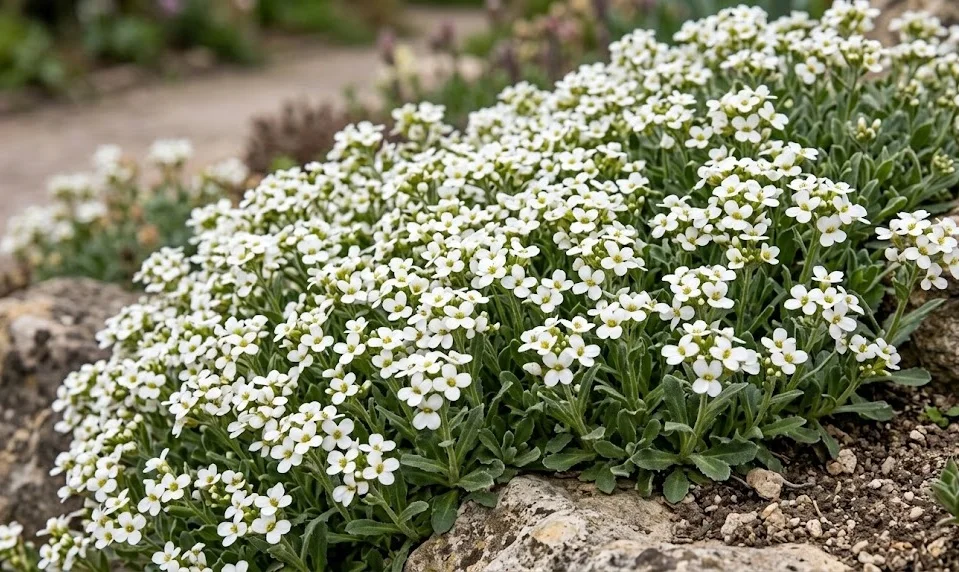

The irrigation and nutrient management of Caucasian rockcress require a delicate touch to avoid common pitfalls associated with over-care. This plant is naturally adapted to lean environments where water is transient and nutrients are scarce, making it highly sensitive to excessive inputs. Understanding the balance between providing enough support and avoiding over-saturation is the hallmark of a skilled gardener. By adopting a professional approach to watering and fertilizing, you can maintain the compact form and prolific blooming that this species is known for.
Establishing a consistent watering schedule is less about frequency and more about observing the actual needs of the plant and the soil. You should check the moisture levels by feeling the soil beneath the surface before deciding to add water. In many cases, the natural rainfall in temperate regions is sufficient to sustain an established rockcress colony. During extended dry spells, a deep soak once a week is far more effective than frequent light sprinkling.
The timing of your watering can significantly impact the health of the foliage and the risk of disease. You should aim to water early in the morning so that the leaves have plenty of time to dry before the sun goes down. Avoiding overhead irrigation whenever possible will help prevent fungal spores from germinating on the damp leaves. Directing the water to the base of the plant ensures that the roots get the hydration they need without unnecessary leaf wetness.
During the flowering stage, the plant’s demand for water may increase slightly as it supports the energy-intensive process of blooming. You should be careful not to let the soil become bone-dry, as this can lead to premature wilting of the delicate flowers. However, you must remain vigilant against waterlogging, which can quickly rot the crown during this sensitive period. A balanced approach during the spring will reward you with a longer and more vibrant display of blossoms.
Nutritional balance and fertilization strategies
Fertilizing Caucasian rockcress is often a matter of “less is more” to preserve its natural mountain-dwelling character. You should avoid high-nitrogen fertilizers that promote rapid, soft growth which is susceptible to pests and winter damage. Instead, focus on a balanced, slow-release product that provides a steady but modest supply of nutrients over several months. Many growers find that a single application in early spring is all the plant needs for the entire year.
More articles on this topic
Organic options, such as a thin layer of well-composted leaf mold or a light dusting of bone meal, are excellent choices for this species. These materials break down slowly and improve the overall biology of the soil without causing nutrient spikes. You should apply these amendments around the base of the plants, taking care not to cover the foliage or the central crown. This natural approach mimics the way organic matter accumulates in rocky crevices in the wild.
If you notice that the plant is producing very few flowers or the leaves are looking unusually pale, a liquid seaweed fertilizer can provide a quick boost. You should dilute the solution to half the recommended strength to ensure you do not overwhelm the plant’s sensitive system. Liquid fertilizers are particularly useful for container-grown specimens that have limited access to natural soil minerals. Always apply liquid feeds to moist soil to avoid burning the roots with concentrated salts.
The late summer and autumn periods are times when you should strictly avoid any type of fertilization. Encouraging new growth late in the season can be dangerous, as the tender shoots will not have time to harden off before the first frost. Allowing the plant to naturally slow down its metabolism is an essential part of preparing it for the winter dormant phase. Respecting these seasonal cycles is key to maintaining a long-lived and healthy garden population.
Soil moisture management and drainage
The physical structure of your soil acts as the primary regulator of water availability for your Caucasian rockcress. You should ensure that the planting site has a high percentage of inorganic material to facilitate rapid drainage after heavy rains. If the soil remains saturated for more than a few hours, the roots will begin to suffocate and lose their ability to take up nutrients. Improving the drainage is often more important than adjusting your watering habits in many garden settings.
More articles on this topic
Creating a slightly mounded planting area is a practical way to manage excess water in regions with high rainfall. By raising the plant even just a few centimeters above the surrounding grade, you encourage water to flow away from the sensitive crown. This simple architectural change can make the difference between a thriving plant and one that succumbs to root rot. It also enhances the visual appeal of the rock garden by adding interesting topography to the landscape.
Mulching with inorganic materials like gravel or stone chips helps to regulate soil moisture levels by reducing evaporation during hot weather. You will find that the soil underneath a layer of grit remains cooler and more consistently moist than exposed earth. This protection allows the plant to tolerate dry periods more effectively while still ensuring that the foliage stays dry. The choice of mulch material is therefore a critical component of your overall water management strategy.
Observing how the soil responds to different weather patterns will help you refine your irrigation techniques over time. You might notice that certain parts of your garden dry out much faster than others due to wind exposure or sun intensity. Tailoring your watering to these specific microclimates ensures that each plant receives exactly what it needs to thrive. A thoughtful and observational approach to soil moisture is the foundation of successful alpine gardening.
Troubleshooting water and nutrient issues
Recognizing the early signs of water stress will allow you to intervene before the plant suffers permanent damage. You might see the leaves losing their turgidity or turning a dull, brownish color if the soil has been dry for too long. If this occurs, a gentle and thorough watering can often revive the plant within a few hours. However, repeated cycles of extreme drought and heavy watering should be avoided to prevent stressing the root system.
Conversely, symptoms of over-watering can be much harder to reverse and often appear as yellowing or softening of the stems. You should immediately stop all irrigation if you suspect the plant is getting too much water and check the drainage of the site. In some cases, you may need to lift the plant and add more grit to the soil to save it from complete collapse. Acting quickly at the first sign of rot is essential for preserving the health of your rockcress carpet.
Nutrient deficiencies are relatively rare in rockcress but can occasionally manifest as stunted growth or unusual leaf colors. You should be aware that excessive fertilizer can cause similar symptoms by damaging the roots or creating an imbalance in soil chemistry. Before adding more nutrients, consider whether the environmental conditions are actually the cause of the poor performance. Soil testing can provide definitive answers and prevent the accidental over-application of unnecessary minerals.
Maintaining a healthy balance in the soil environment is a long-term project that requires patience and consistency. You should avoid the temptation to constantly tinker with the water and nutrient levels once the plant is established. Trusting the plant’s natural resilience and providing only the most essential support is the best way to ensure its success. A professional gardener knows that observation is often the most powerful tool in the shed.
Container-specific care requirements
Growing Caucasian rockcress in containers presents a unique set of challenges for watering and fertilizing. You should use a high-quality, gritty potting mix specifically designed for alpines or succulents to ensure maximum drainage. Containers dry out much faster than the ground, so you will need to check your pots more frequently during the summer months. However, the risk of over-watering is also higher if the pot does not have adequate drainage holes.
Fertilizing container plants is more important than ground-grown ones because the limited soil volume is quickly depleted of nutrients. You should use a very diluted liquid fertilizer every few weeks during the peak growing season to maintain vitality. Be careful to flush the pots with plain water occasionally to prevent the buildup of fertilizer salts in the soil. This maintenance ensures that the roots stay healthy and can continue to support the lush foliage and flowers.
The choice of container material can also influence how you manage water and nutrients for your rockcress. Terracotta pots are porous and allow for better air exchange, but they also dry out faster than plastic or glazed ceramic options. You should choose a material that fits your maintenance style and the specific environmental conditions of your patio or balcony. Matching the pot to the plant’s needs is a mark of a professional approach to container gardening.
Winter care for containerized rockcress requires special attention to prevent the root ball from freezing and thawing repeatedly. You might need to move the pots to a sheltered location or wrap them in insulating material during the coldest months. Watering should be kept to an absolute minimum during the winter, providing just enough to prevent the soil from becoming bone-dry. With the right care, your containers will provide a spectacular burst of color every spring.