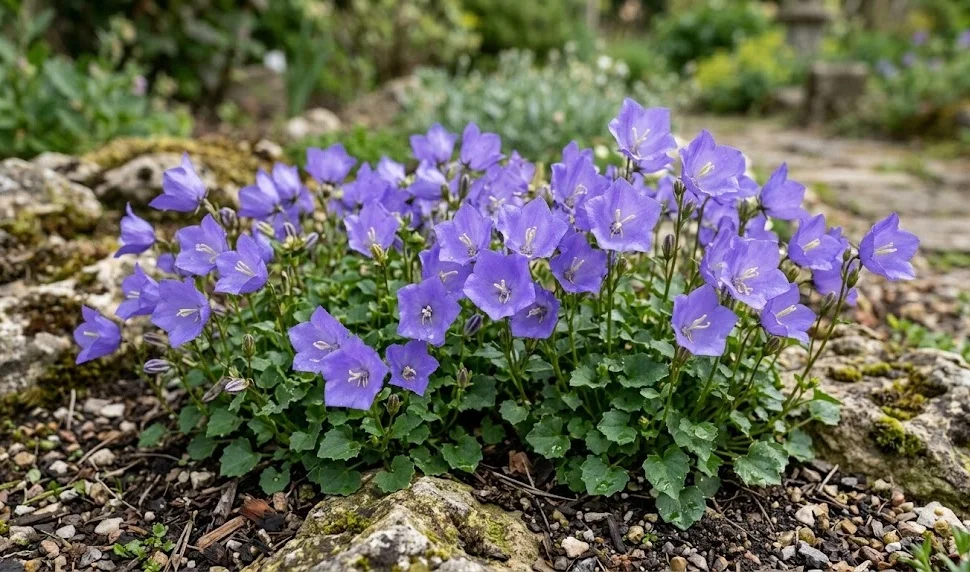

Growing these delicate yet resilient perennials requires a nuanced understanding of their natural alpine habitat to ensure they thrive in a garden setting. These plants are beloved for their low-growing mounds and profusion of bell-shaped flowers that appear throughout the summer months. To achieve the best results, gardeners must balance environmental factors such as drainage, temperature, and localized placement. When managed correctly, these flowers provide a stunning carpet of blue or white that enhances any rock garden or border.
Success starts with selecting the right location within your landscape to mimic their native mountain environment. These plants prefer cooler climates and may struggle in regions with extreme summer heat and humidity. Ensuring that the soil is rich in organic matter but still provides excellent drainage is a critical first step for any enthusiast. By observing the plant’s reaction to its surroundings, you can make minor adjustments to its care routine throughout the growing season.
Maintenance involves more than just regular watering and checking for common garden pests. You should regularly inspect the foliage for signs of stress, such as yellowing or wilting, which can indicate underlying issues. Keeping the area around the plants free from aggressive weeds will prevent competition for vital nutrients and space. A thoughtful approach to daily care ensures that the plants remain vigorous and capable of producing a second flush of blooms.
Gardeners often find that these perennials are quite forgiving once they have become established in their permanent home. They do not require constant attention, but they do appreciate a consistent routine that respects their biological needs. Providing a stable environment with minimal fluctuations in soil moisture and temperature will yield the healthiest specimens. Over time, you will develop a feel for exactly what your specific plants need to flourish in your unique microclimate.
Understanding growth habits and soil needs
These plants naturally form dense, compact cushions of foliage that rarely exceed twelve inches in height. This growth habit makes them an excellent choice for ground cover in smaller garden spaces or between stepping stones. Because they spread slowly through underground runners, they are manageable and will not quickly overwhelm neighboring plants. Understanding this physical structure helps in planning the layout of your flower beds for maximum visual impact.
More articles on this topic
The composition of the soil is perhaps the most significant factor in long-term success with these alpine beauties. They thrive in well-drained, alkaline to neutral soil that remains consistently moist but never waterlogged. Incorporating sharp sand or fine gravel into the planting hole can significantly improve drainage in heavier clay soils. A slightly gritty texture allows the delicate root system to breathe while still accessing the hydration it needs to support lush growth.
Soil pH should be monitored occasionally to ensure it stays within the preferred range of six to seven. If your soil is naturally very acidic, adding a small amount of garden lime can help create a more hospitable environment. Organic compost is also beneficial as it provides slow-release nutrients and improves the overall structure of the earth. Avoid using heavy, uncomposted manures which can be too rich and may lead to excessive foliage growth at the expense of flowers.
Mulching is another technique that contributes to healthy growth by regulating soil temperature and retaining moisture. A thin layer of pea gravel or finely shredded bark around the base of the plant can prevent the crown from rotting. This protective layer also suppresses weed seeds that might otherwise compete for the plant’s resources. Be careful not to pile mulch directly against the stems, as this can encourage fungal issues in damp weather.
Managing environmental stressors
Temperature plays a vital role in the health of these perennials, especially during the peak of summer. While they enjoy full sun in northern regions, they appreciate some afternoon shade when grown in warmer climates. High heat can cause the flowers to fade prematurely and may lead to a period of summer dormancy if the plant becomes too stressed. Monitoring local weather forecasts allows you to provide extra hydration or temporary shade during heatwaves.
More articles on this topic
Humidity is another factor that can influence the appearance and health of the foliage. In very humid areas, it is essential to provide adequate air circulation by spacing the plants correctly. Stagnant air combined with high moisture levels creates the perfect environment for powdery mildew to develop. If you notice white patches on the leaves, it is a sign that the environmental conditions need to be adjusted immediately.
Protecting the plants from strong, drying winds is also beneficial for maintaining their delicate appearance. While they are sturdy enough to survive mountain gusts, garden specimens often have softer growth that can be physically damaged. Planting them near larger rocks or in the lee of small shrubs can provide the necessary windbreak. This protection helps the soil retain moisture longer and keeps the foliage looking fresh and vibrant throughout the season.
The overall vitality of the plant is often a reflection of how well it can cope with sudden environmental changes. Late spring frosts can sometimes damage new growth, though the plants are generally hardy enough to recover. If a sudden cold snap is predicted after growth has started, a light covering of horticultural fleece can prevent damage. Being proactive about these changes ensures that the plant has the best possible start to its blooming cycle.
Supporting the blooming cycle
The primary reason most people grow these plants is for their spectacular display of upturned bells. These flowers typically begin to appear in early summer and can continue well into the autumn if handled correctly. To encourage a prolonged blooming period, it is helpful to provide a balanced environment that supports both leaf and flower production. Consistent care during the early spring prepares the plant for the energy-intensive task of flowering.
Deadheading is a professional technique that significantly extends the time you can enjoy the blooms. By removing spent flowers before they can set seed, you signal the plant to produce more buds. This process can be done by hand or with small garden snips to ensure a clean cut without damaging the surrounding stems. Many gardeners find this task to be a meditative way to interact with their garden while improving its overall aesthetic.
As the main flush of flowers begins to taper off in mid-summer, the plant may benefit from a light shearing. This removes the old flower stalks and encourages a fresh growth of leaves and a secondary, though lighter, bloom in late summer. This practice also helps maintain the neat, mounded shape that is so characteristic of the species. A well-timed trim keeps the plant looking vigorous rather than leggy or exhausted by the end of the season.
Proper nutrition is the final piece of the puzzle when it comes to supporting a heavy bloom. While these plants are not heavy feeders, a light application of a balanced fertilizer in early spring provides the necessary boost. Avoid high-nitrogen formulas that promote green growth over flower development. A slow-release granular fertilizer is often the most convenient and effective way to ensure a steady supply of nutrients throughout the blooming phase.
Long term maintenance and rejuvenation
After several years in the same spot, you may notice that the center of the plant begins to look sparse or “bald.” This is a natural progression and indicates that the plant is ready for rejuvenation through division. Spring is the ideal time to lift the entire clump and separate it into smaller, healthier sections. This process not only revitalizes the original plant but also provides you with new specimens to place elsewhere in the garden.
Regularly cleaning the area around the base of the plant is an important part of long-term maintenance. Removing fallen leaves and debris prevents the buildup of organic matter that can trap moisture and cause rot. This also makes it easier to spot the emergence of new growth in the early spring. A clean garden bed is a healthier environment for all your perennials and reduces the hiding spots for slugs and snails.
Monitoring the overall size of the mound is also necessary to ensure it doesn’t crowd out its neighbors. If the plant begins to grow beyond its allotted space, it can be easily trimmed back along the edges. These trimmings can often be used for propagation if they have a small piece of root attached. Keeping the growth within bounds ensures that the garden design remains balanced and that every plant has enough light.
Each year, it is a good idea to refresh the soil around the base with a small amount of new compost. This replaces the nutrients that have been washed away or used up by the plant during the previous growing season. It also helps maintain the soil structure and encourages the development of a healthy root system. This simple annual task goes a long way in ensuring the longevity of your bellflowers.
Tools and equipment for care
Using the right tools makes the task of caring for these perennials much more efficient and enjoyable. A pair of sharp, bypass pruners is essential for clean deadheading and trimming back the foliage. Dull blades can crush the delicate stems, leaving the plant vulnerable to disease and pests. Keeping your tools clean and sanitized between uses prevents the spread of pathogens from one plant to another.
For planting and soil maintenance, a sturdy hand trowel and a small hand fork are indispensable. These tools allow you to work precisely in tight spaces without disturbing the root systems of neighboring plants. A small fork is particularly useful for gently aerating the soil around the base of the bellflowers. This ensures that oxygen reaches the roots, which is vital for the health of any alpine species.
A high-quality watering can with a fine rose attachment is better for these plants than a heavy garden hose. The fine spray mimics natural rainfall and prevents the soil from being washed away from the shallow roots. It also allows you to target the water directly at the base of the plant, keeping the foliage as dry as possible. This precision watering is a key factor in preventing fungal diseases like leaf spot or rust.
Finally, having a comfortable kneeling pad can make the detailed work of deadheading and weeding much easier on your body. Because these plants are low-growing, you will spend a significant amount of time close to the ground. Taking care of your own comfort ensures that you are more likely to perform the necessary maintenance tasks regularly. Good tools and proper ergonomics turn garden chores into a rewarding and professional hobby.
Aesthetic integration in the garden
Integrating these flowers into your overall landscape design requires a focus on color and texture. Their vibrant blues and purples contrast beautifully with silver-foliaged plants or yellow-flowering companions. In a rock garden, they look particularly natural when tucked into crevices or spilling over the edges of stones. Their fine-textured leaves provide a soft backdrop for larger, more architectural plants in a border.
Using these perennials as a border plant along garden paths creates a welcoming and cohesive look. Because they stay compact, they won’t hang over the walkway or require constant trimming to stay in place. The repeated pattern of their rounded mounds provides a sense of rhythm and structure to the garden design. When planted in mass, they create a sea of color that is truly breathtaking during the height of summer.
They are also highly effective when used in container gardens on patios or balconies. In a pot, you have total control over the soil quality and drainage, making it easier to meet their specific needs. They can be combined with other sun-loving perennials to create a miniature alpine meadow in a single container. Just remember that container-grown plants may need more frequent watering and fertilization than those in the ground.
Ultimately, the goal of caring for these plants is to create a vibrant and healthy addition to your outdoor space. By following professional standards for soil, water, and maintenance, you can ensure they remain a highlight of your garden for many years. Their cheerful blooms and easy-going nature make them a favorite among both novice and experienced gardeners. Observing their growth throughout the seasons is one of the many joys of horticultural practice.