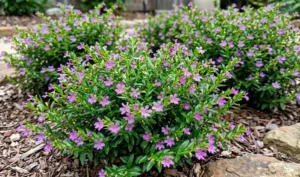
Pruning is a vital task for maintaining the appearance and health of your chameleon plant, even though it is a low-growing groundcover. Because this species is so vigorous, it can quickly become overgrown or start to look untidy if it is not managed with regular trimming. You should think of pruning as a way to refresh the plant and encourage a new flush of vibrant, colorful foliage. Taking a professional approach to cutting back ensures that your garden remains a beautiful and well-organized space throughout the year.
The most important time for a major pruning is in the early spring, just before the new growth starts to emerge from the soil. You should remove all of the old, dead stems from the previous year to make a clean path for the fresh shoots to follow. This not only improves the look of the plant but also helps prevent pests and diseases from hiding in the old debris. A thorough spring cleanup is a fundamental part of professional garden maintenance that pays dividends all season long.
During the growing season, you may also find that you need to do some light maintenance pruning to keep the plant within its intended boundaries. If the stems start to creep onto a path or into a neighboring flower bed, you can simply snip them back to the desired length. The chameleon plant is very resilient and will quickly recover from even a significant trim by producing new branches. Being proactive with your pruning prevents the plant from becoming a source of frustration in your landscape.
You can also use pruning as a way to rejuvenate sections of the plant that have become sparse or have lost their variegation. By cutting these areas back hard, you encourage the plant to send up new growth that often has much better color and density. This professional technique is a great way to keep an older patch of chameleon plant looking as good as a newly planted one. Regular attention to pruning is the key to a long-lasting and aesthetically pleasing display.
Techniques for professional trimming
When you are ready to prune your chameleon plant, you should always start with a pair of sharp and clean gardening shears or pruners. Using dull tools can crush the stems instead of cutting them cleanly, which can make the plant more vulnerable to disease. You should also wipe the blades with a bit of disinfectant between different plants to avoid spreading any potential issues around your garden. Professional tools and hygiene are essential for maintaining the health of your entire horticultural collection.
More articles on this topic
For a general cleanup, you can simply gather a handful of stems and cut them back to the desired height or all the way to the ground. If you are trying to encourage bushier growth, you should focus your cuts just above a leaf node where new branches will emerge. This targeted pruning allows you to shape the plant more precisely and control how it fills the space in your garden. Understanding the basic principles of plant growth will make you a much more effective and confident pruner.
If you are dealing with a large area of groundcover, you might even consider using a lawnmower on a high setting for a quick and efficient trim. This is a common professional trick for managing expansive patches of tough groundcovers like the chameleon plant. You should only do this when the plant is healthy and actively growing to ensure that it recovers quickly from the experience. After mowing, you should provide a bit of extra water to help the plant bounce back and start its new growth.
Always remember to dispose of the trimmings properly, especially if you have been removing sections that are starting to spread too far. Because the stems can sometimes take root if they are left on moist soil, you should avoid leaving them where you don’t want the plant to grow. Placing them in a compost bin that reaches high temperatures is usually safe, or you can simply put them in your green waste collection. Professional cleanup is the final and most important step in any pruning task.
Managing the spread and rejuvenation
One of the main reasons to prune the chameleon plant is to manage its natural tendency to spread into areas where it isn’t wanted. You should regularly check the edges of your planting area and cut back any rhizomes or stems that are crossing the line. If the plant has already established itself in a new spot, you may need to dig up the roots to ensure it doesn’t come back. This ongoing vigilance is a necessary part of caring for such a vigorous and adaptable species.
More articles on this topic
If your patch of chameleon plant starts to look tired or woody after several years, a radical pruning can often bring it back to life. You can cut the entire patch down to within an inch or two of the ground in the late spring or early summer. While this might look a bit drastic at first, the plant will respond with a surge of fresh, vibrant growth that looks much better than the old foliage. Rejuvenation pruning is a powerful professional tool for maintaining the quality of your garden features.
You can also use pruning to experiment with the texture and height of your groundcover in different parts of the garden. For example, you might keep the plants near a path trimmed very low while allowing those in the back of a border to grow more naturally. This creates visual interest and helps define the different zones of your outdoor space more clearly. Professional garden design is often about these small, intentional details that make a big impact on the overall feel of the landscape.
Finally, don’t be afraid to be bold with your pruning, as the chameleon plant is one of the toughest species you will ever grow. It can handle almost any amount of cutting back and will almost always come back stronger and more beautiful than before. Your goal as a professional is to guide the plant’s growth so that it fits perfectly into your vision for the garden. With a little bit of regular attention, your chameleon plant will remain a stunning highlight of your landscape for many years to come.