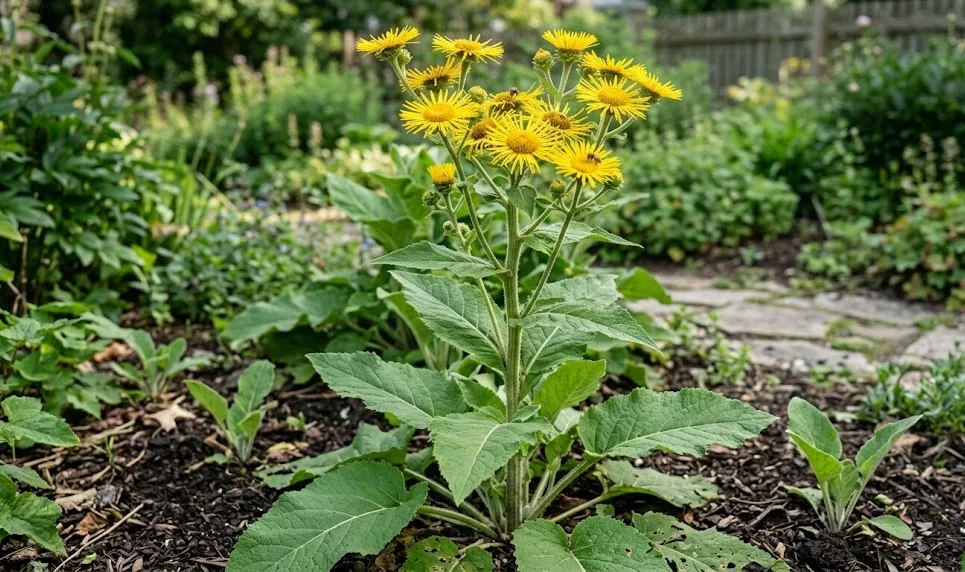

Pruning is an essential maintenance task that helps to keep elecampane looking tidy and performing at its best. Because of its rapid growth and large size, the plant can quickly become unruly without occasional intervention. Strategic cutting back can also influence the health of the plant by improving airflow and light penetration. Most pruning tasks are simple and can be integrated into your regular garden maintenance routine.
Deadheading is the practice of removing spent flowers before they have a chance to develop seeds. This encourages the plant to focus its energy on root development rather than seed production. You should cut the flower stalks back to the nearest set of healthy leaves once the petals begin to fade. If you wish to collect seeds, you can leave a few stalks intact while removing the rest of the blossoms.
The most significant cutback occurs in the late autumn after the plant has entered its dormant phase. You should remove all of the dead brown foliage to prevent it from matting down and causing rot over the winter. Using sharp shears, cut the stems down to a few centimeters above the soil level. This clean slate makes it much easier to apply mulch and prepares the site for new growth in the spring.
During the growing season, you may find it necessary to thin out some of the larger leaves. If the plant becomes too dense, the inner leaves may yellow and die due to a lack of light and air. You should carefully remove a few of the oldest, outermost leaves to open up the structure of the plant. This minor adjustment can significantly improve the overall health and appearance of the herb without causing any stress.