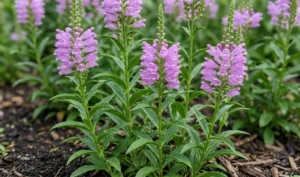
The Armenian cranesbill is a remarkably hardy perennial, but taking a few extra steps in the late autumn will help it survive the winter in peak condition. While it can tolerate significantly low temperatures, the combination of cold and wet soil is often more challenging than the frost itself. You should focus on protecting the crown of the plant and ensuring that the roots do not become waterlogged during the dormant months. A well-prepared plant will emerge in the spring with more vigor and a better structural foundation for the coming year.
As the days shorten and the first light frosts arrive, you will notice the foliage of your cranesbill beginning to change color and eventually die back. This is a natural signal that the plant is moving its energy and nutrients down into the roots for safekeeping. You should allow this process to complete naturally rather than rushing to cut the plant down while it is still green. The dying foliage actually provides a bit of its own protection for the central growing point during the early winter.
The primary goal of overwintering is to maintain a stable environment for the dormant roots and the crown. Sudden fluctuations in temperature, such as repeated freezing and thawing, can sometimes heave the plant out of the soil or damage the delicate tissues. You can mitigate these effects by using organic materials to insulate the ground around the base of the plant. A little bit of forethought in November can save you a lot of disappointment when the growing season begins in March.
It is also a good time to reflect on the performance of the plant over the past year and think about any changes you might want to make in the spring. Winter is the best season for planning and for performing maintenance tasks that are difficult to do when the garden is in full growth. By keeping an eye on your dormant plants, you remain connected to the cycle of the seasons and the needs of your landscape. Professional gardening is a year-round commitment that rewards consistency and care.
Preparing for the first frost
The first frost of the season is a significant milestone that marks the end of the active growing period for the Armenian cranesbill. You should observe how the plant reacts, as the leaves will typically turn shades of red or bronze before they finally wither. This is a beautiful phase of the plant’s life that adds late-season interest to your borders. You don’t need to do anything immediately, as the plant is perfectly capable of handling light frosts on its own.
More articles on this topic
Once the foliage has completely turned brown and brittle, you can decide whether to tidy up the plant or leave it until spring. Many professional gardeners prefer to leave the dead stems in place to provide shelter for overwintering beneficial insects. If you prefer a neater look, you can cut the stems back to within a few centimeters of the ground. Always use sharp, clean shears to make your cuts, ensuring you don’t damage the central crown where next year’s growth will emerge.
If your garden is in a particularly cold or exposed location, you might want to provide a little bit of extra protection before the ground freezes solid. This is especially important for young plants that have only been in the ground for one season and may not have a deep root system yet. A simple mound of dry leaves or a few evergreen branches placed over the crown can make a big difference. This extra layer of insulation helps keep the soil temperature more consistent throughout the winter.
Finally, make sure the area around the plant is free of any fallen fruit or heavy debris that could encourage rot during a wet winter. Good sanitation is just as important in the dormant season as it is in the summer for preventing disease. You should also check that any labels are still in place and legible so you know exactly where the plant is when it starts to grow again. A tidy and well-marked garden is a sign of a professional approach to horticulture.
Mulching and insulation
Applying a fresh layer of mulch in the late autumn is one of the most effective ways to protect the roots of your Armenian cranesbill. This mulch acts like a blanket, keeping the soil warmer during cold snaps and preventing the destructive cycle of frost heaving. You should use a coarse organic material like bark chips, partially decomposed leaves, or well-rotted compost. A layer about five to seven centimeters thick is usually sufficient to provide excellent insulation without suffocating the plant.
More articles on this topic
When applying your winter mulch, be careful not to pile it directly against the stems or the very center of the crown. You want to insulate the soil where the roots are located rather than trapping moisture against the dormant buds. Leave a small circle of bare soil a few centimeters wide around the central growing point to allow for air circulation. This simple technique prevents the crown from rotting during periods of heavy winter rain or melting snow.
In areas with extremely cold winters, you can use more specialized insulation materials like horticultural fleece or straw. These materials trap a layer of still air around the plant, which provides even better protection against freezing temperatures. You should secure these materials firmly so they don’t blow away in winter storms, but make sure they are still breathable. Removing these extra layers as soon as the weather begins to warm in the spring is important to prevent premature growth.
Mulching also has the added benefit of improving the soil structure as it slowly breaks down over the winter and spring. It adds valuable organic matter and nutrients that will be available to the plant as soon as it wakes up. You will find that mulched soil is much easier to work with in the spring and stays moist longer during the summer. This dual-purpose task is a key part of an efficient and professional garden maintenance schedule.
Winter dormancy characteristics
Understanding what is happening underground while the Armenian cranesbill is dormant can help you become a better gardener. During the winter, the plant’s metabolic processes slow down to a crawl, and it requires very little oxygen or water. The energy stored in the roots during the summer and autumn is what will power the explosive growth you see in the spring. You should treat the dormant plant with respect, avoiding any unnecessary disturbance to the soil or the roots.
You might notice that the crown of the plant looks quite small and unassuming during the winter months. It is often just a collection of tight, brownish buds sitting right at the soil surface, waiting for the right conditions to emerge. This is the most vulnerable part of the plant, and it is important not to step on it or bury it under heavy objects. Knowing the exact location of your dormant perennials is a vital part of winter garden management.
In some mild winters, the Armenian cranesbill might retain a few of its lower leaves, although they will likely look a bit weathered. This is nothing to worry about and is just a reflection of the specific weather patterns of that year. You should not be tempted to fertilize or encourage growth during a mid-winter warm spell, as this new growth would be easily killed by the next frost. Patience is the most important virtue for a gardener during the long winter months.
As the days begin to lengthen in late February and early March, the plant will slowly begin to stir from its slumber. You might not see anything on the surface yet, but the roots are starting to take up moisture and prepare for growth. This is the perfect time to perform a final check of the area and remove any winter mulch that might be sitting too close to the crown. The transition from dormancy to active growth is one of the most exciting times in the horticultural calendar.
Spring emergence expectations
The first sign of life from your Armenian cranesbill in the spring is always a welcome sight in the garden. You will see small, tightly furled green leaves beginning to push up through the soil or from the base of the old stems. These early shoots are often tinged with a bit of red or purple, which is a natural protection against the bright spring sun and lingering cold. Watching these shoots expand and develop is a great way to track the progress of the season.
Once the new growth is well underway, you can carefully remove any remaining old stems that you left for winter interest. This is also a good time to gently pull back any heavy mulch to allow the soil to warm up more quickly in the sun. You should be very careful not to damage the tender new shoots, as they are quite brittle at this stage. A light touch and a bit of patience will ensure the plant develops a beautiful and even shape.
If the weather takes a sudden turn for the worse after the shoots have emerged, you may need to provide some temporary protection. A late spring frost can sometimes singe the edges of the new leaves, although it rarely does permanent damage to a mature plant. You can cover the new growth with an upside-down pot or a piece of fleece overnight if a hard frost is predicted. Being attentive to the weather forecast is a hallmark of a professional who wants to give their plants the best possible start.
As the leaves fully expand, the plant will quickly regain its impressive size and presence in the garden border. You will be amazed at how quickly it grows once the temperatures stay consistently warm and the days are long. All the work you did to prepare the plant for winter will now pay off in the form of a healthy and vigorous specimen. The cycle begins again, and you can look forward to another season of spectacular magenta blooms.