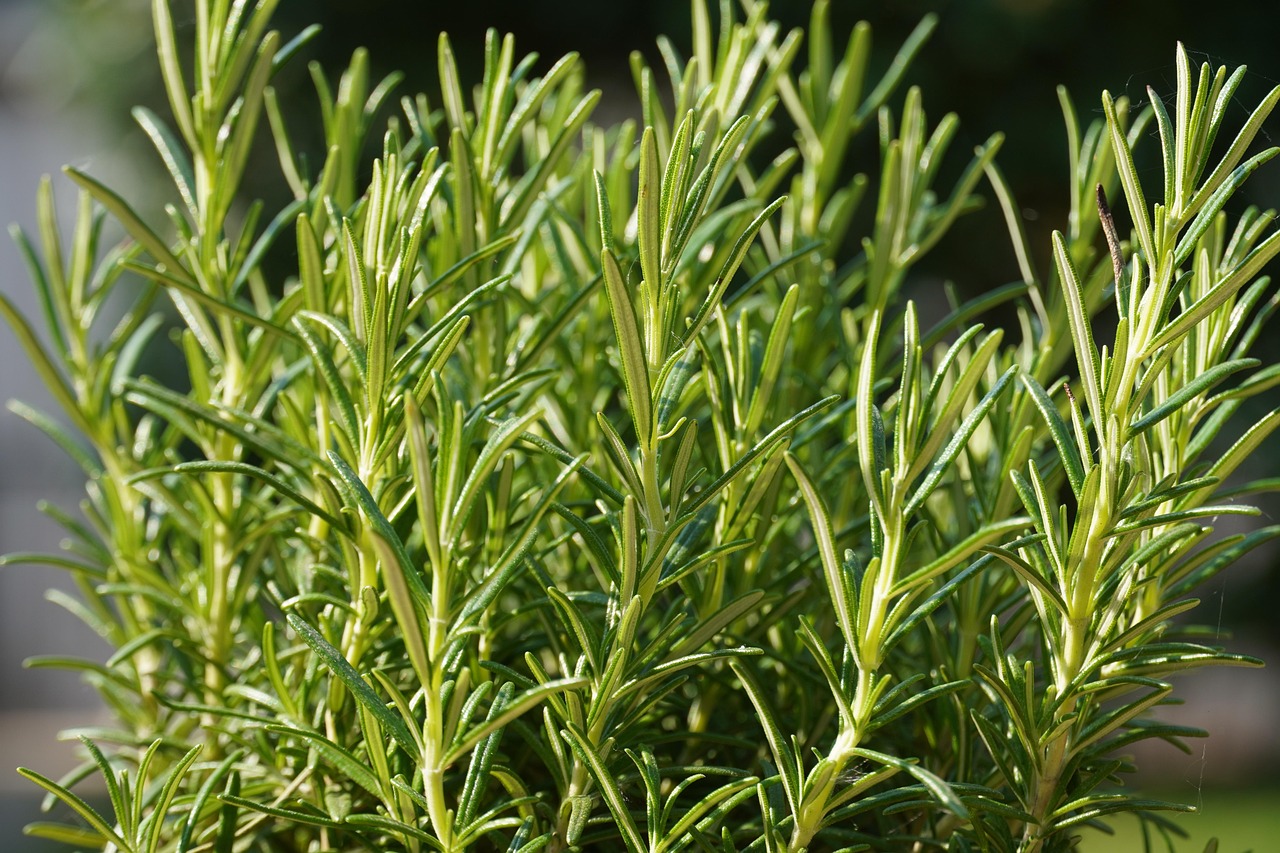
Mastering the art of watering and fertilizing rosemary is fundamental to cultivating a healthy, aromatic, and long-lasting shrub. This herb’s Mediterranean heritage dictates a preference for drier conditions and less fertile soil, making it particularly sensitive to over-attentive care. The most common pitfall for gardeners is providing too much water, a well-intentioned mistake that can lead to fatal root diseases. Similarly, excessive fertilization can harm the plant by promoting weak growth and diminishing the concentration of its fragrant essential oils. Achieving the right balance requires a mindful approach, focusing on the plant’s specific signals and environmental conditions rather than a rigid schedule, ensuring it receives just what it needs to thrive.
The principles of watering rosemary
The core principle of watering rosemary is to mimic the dry, arid conditions of its native Mediterranean climate. This means that the plant is inherently drought-tolerant once established and is far more likely to suffer from problems related to overwatering than underwatering. The key to successful irrigation is to allow the soil to dry out thoroughly between watering sessions. This dry period is crucial for the health of the roots, preventing them from becoming waterlogged and susceptible to fungal pathogens. A reliable way to check for dryness is to feel the soil; if the top one to two inches are dry, it is generally time to water.
When you do water, the technique is just as important as the frequency. It is essential to water deeply and infrequently, rather than providing small, frequent amounts of water. A deep watering ensures that the entire root zone is moistened, which encourages the roots to grow further down into the soil. This creates a more extensive and resilient root system, making the plant even more capable of withstanding periods of drought. Water at the base of the plant to keep the foliage dry, which helps to minimize the risk of fungal diseases like powdery mildew.

Special tips for this topic
Several environmental factors will influence how often your rosemary needs water, making a fixed schedule impractical. The type of soil, the amount of sunlight and heat, the humidity level, and whether the plant is in a container or the ground all play a significant role. For instance, a rosemary plant in a terracotta pot on a sunny, windy patio will dry out much faster than one planted in a sheltered garden bed with moisture-retentive soil. Therefore, it is vital to be observant and adjust your watering practices based on the current conditions and the specific needs of your plant.
Recognizing the signs of both overwatering and underwatering is a critical skill for any rosemary grower. An underwatered plant may have dry, brittle leaves that start to brown at the tips. Conversely, an overwatered plant often presents with yellowing or browning leaves and a general wilting or drooping appearance, which can be misleading. The definitive clue is the condition of the soil; if the plant looks unhealthy and the soil is consistently damp, overwatering is almost certainly the culprit. It’s always better to err on the side of caution and let the plant get a little too dry rather than keeping it too wet.
More articles on this topic
Adjusting watering for seasons and containers
Watering needs for rosemary are not static throughout the year; they change significantly with the seasons. During the spring and summer, when the plant is actively growing and temperatures are warmer, it will naturally require more frequent watering. The combination of active growth, higher temperatures, and longer daylight hours means the plant uses water more quickly. Even during this period, however, the rule of allowing the soil to dry out between waterings remains paramount. You might find yourself watering every one to two weeks, depending on rainfall and heat waves.
In the autumn, as temperatures begin to cool and the plant’s growth slows, its water requirements will decrease. You should gradually reduce the frequency of watering in response to these changing conditions. During the winter, rosemary enters a period of dormancy where its growth all but stops. In this phase, its need for water is minimal. For outdoor plants, natural rainfall may be sufficient, and supplemental watering is often unnecessary unless there is a prolonged dry spell. Overwintering a plant in wet, cold soil is a recipe for root rot, so it’s crucial to be very conservative with water during these months.
Rosemary grown in containers requires a different watering approach than plants in the ground. The soil in pots dries out much more quickly due to the limited volume and exposure to air on all sides. This means containerized rosemary will need to be watered more frequently than its garden-planted counterparts, especially during the hot summer months. It is essential that the container has excellent drainage holes to allow excess water to escape freely. Never let a potted rosemary sit in a saucer of standing water, as this will lead to saturated soil and root decay.
The material of the container also affects how often you’ll need to water. Porous materials like terracotta or unglazed clay allow moisture to evaporate through their walls, causing the soil to dry out faster. This can be very beneficial for a plant like rosemary that prefers dry conditions. In contrast, plastic or glazed ceramic pots are non-porous and will retain moisture for longer periods. While these can still be used successfully, they require more careful monitoring to ensure the soil doesn’t remain too wet for too long.
More articles on this topic
Fertilization: less is more
When it comes to fertilizing rosemary, the guiding philosophy should be that less is decidedly more. This herb has adapted to grow in the relatively infertile, rocky soils of the Mediterranean and does not have high nutrient requirements. In a garden bed with average to good quality soil, rosemary will often thrive with no supplemental fertilizer at all. The slow decomposition of organic mulch, such as a layer of compost applied annually, is typically sufficient to provide the modest amount of nutrients the plant needs to stay healthy and productive.
Over-fertilizing rosemary is a common mistake that can have several negative consequences. Applying too much fertilizer, especially those high in nitrogen, can force rapid, weak, and leggy growth. This new growth is often more susceptible to pests and diseases and can make the plant look sparse and unattractive. Furthermore, excessive fertilization can dilute the concentration of the plant’s essential oils, resulting in foliage that has a less intense aroma and flavor. For a culinary herb, this is a significant drawback that defeats one of the primary purposes of growing it.
If your soil is particularly poor or your plant is showing signs of a nutrient deficiency (such as pale or yellowing leaves), a light application of fertilizer may be beneficial. If you choose to fertilize, do so only once in the early spring as the plant begins its active growth cycle. Use a balanced, all-purpose fertilizer, such as a 10-10-10 formula, and it is highly recommended to dilute it to half the strength suggested on the packaging. A slow-release granular fertilizer is another good option, as it provides a gentle, steady supply of nutrients over a longer period.
For rosemary grown in pots, the nutrient situation is slightly different. The finite amount of soil in a container means that nutrients will be leached out over time with each watering. Therefore, potted rosemary can benefit from a more regular, albeit still very light, feeding schedule. During the growing season from spring to summer, you can apply a half-strength balanced liquid fertilizer every four to six weeks. It is important to stop all fertilization in the fall and winter when the plant’s growth naturally slows down, as it will not be able to utilize the excess nutrients during its dormant period.
Organic feeding options
For gardeners who prefer an organic approach, there are several excellent options for providing the modest nutritional needs of rosemary. One of the best and simplest methods is to top-dress the soil around the plant with a one-inch layer of well-rotted compost each spring. As the compost breaks down, it will slowly release a wide range of essential nutrients and micronutrients into the soil. In addition to feeding the plant, compost also has the significant benefit of improving the soil’s structure and drainage, which is particularly advantageous for rosemary.
Another effective organic option is to use a liquid seaweed or fish emulsion fertilizer. These natural fertilizers are generally gentle and provide a broad spectrum of trace minerals in addition to the primary nutrients. They should be diluted according to the product’s instructions, and it is often a good idea to dilute them even further, to half-strength, for a light feeder like rosemary. Apply this liquid feed to the soil around the base of the plant in the spring and perhaps once more in early summer to support healthy, but not excessive, growth.
Bone meal is another organic amendment that can be beneficial for rosemary, as it is a good source of phosphorus, which supports strong root development. It can be mixed into the soil at the time of planting or lightly scratched into the surface of the soil around an established plant in the spring. Similarly, kelp meal is an excellent organic source of potassium and a wide array of micronutrients, which contribute to the overall vigor and disease resistance of the plant. Both should be used sparingly, as a small amount goes a long way.
Ultimately, the goal of any feeding program, organic or otherwise, is to support steady, healthy growth without overwhelming the plant. By focusing on building healthy soil with plenty of organic matter, you create a sustainable system where the plant can access the nutrients it needs naturally. This approach is far superior to relying on frequent applications of synthetic fertilizers, and it aligns perfectly with the low-maintenance, self-sufficient nature of the rosemary plant itself.
Recognizing nutrient deficiency signs
While rosemary is not a heavy feeder, it can occasionally exhibit signs of nutrient deficiency, particularly if grown in very poor soil or in a container for an extended period without repotting. One of the most common signs is chlorosis, or the yellowing of leaves. If the yellowing appears primarily on the older, lower leaves, it can be an indication of a nitrogen deficiency. Nitrogen is a mobile nutrient, meaning the plant can move it from older tissues to support new growth, which is why the deficiency shows up on the lower leaves first.
A lack of other essential nutrients can manifest in different ways. For example, a phosphorus deficiency might result in stunted growth and leaves that take on a dull, slightly purplish hue. A potassium deficiency can cause the edges of the older leaves to turn yellow and then brown, appearing scorched. It is important to note that these symptoms can also be caused by other issues, such as improper watering or pH imbalances in the soil, so it is crucial to consider all aspects of the plant’s care before concluding that it has a nutrient deficiency.
Before applying any fertilizer, it is wise to rule out other potential causes for the plant’s distress. The most common problem with rosemary is overwatering, which can cause yellowing leaves and mimic the symptoms of a nutrient deficiency. Check the soil moisture and ensure the plant is receiving adequate sunlight. It is also beneficial to check the soil’s pH. Rosemary prefers a neutral to slightly alkaline pH, and if the soil is too acidic, it can “lock up” certain nutrients, making them unavailable to the plant’s roots even if they are present in the soil.
If you have confirmed that other conditions are optimal and you still suspect a nutrient deficiency, a light feeding with a balanced, all-purpose fertilizer is the appropriate response. Apply the fertilizer at half the recommended strength to avoid shocking the plant. After feeding, monitor the plant over the next few weeks to see if its condition improves. For potted plants that have been in the same soil for several years, the best solution is often to repot them into fresh, high-quality potting mix, which will provide a renewed supply of essential nutrients.


The emphasis on avoiding over-watering in this article is spot on, especially regarding container-grown rosemary. I always suggest the “finger test” where you check the top two inches of soil before even considering adding water. Many beginners don’t realize that rosemary enters a semi-dormant state during extreme heat waves to conserve moisture. During these periods, adding more water can actually stress the plant further by suffocating the roots. It is far better to let the soil dry out completely than to maintain constant moisture. A healthy rosemary plant should feel firm and slightly resinous to the touch.
I have been using a very diluted liquid seaweed fertilizer once every two months during the growing season. Is there any risk that this might reduce the concentration of essential oils in the leaves? I know the article mentions rosemary prefers less fertile soil, but my plant seems to have lost some of its vibrant green color. I am worried about over-fertilizing, yet I want to ensure it has enough nutrients for the winter ahead. Perhaps a top-dressing of organic compost in early spring would be a safer alternative to liquid feeds. I would love to hear if others have experienced a loss of aroma after fertilizing.
Clara, your concern about the essential oils is actually backed by several horticultural studies. High nitrogen levels encourage rapid, “soft” growth which contains a higher water-to-oil ratio. This results in a less fragrant plant that is also more susceptible to frost damage in the winter. If your plant is looking pale, it might actually be a drainage issue rather than a nutrient deficiency. Check to see if the roots are healthy and white rather than brown and mushy. I would definitely switch to the compost top-dressing you mentioned for next season.