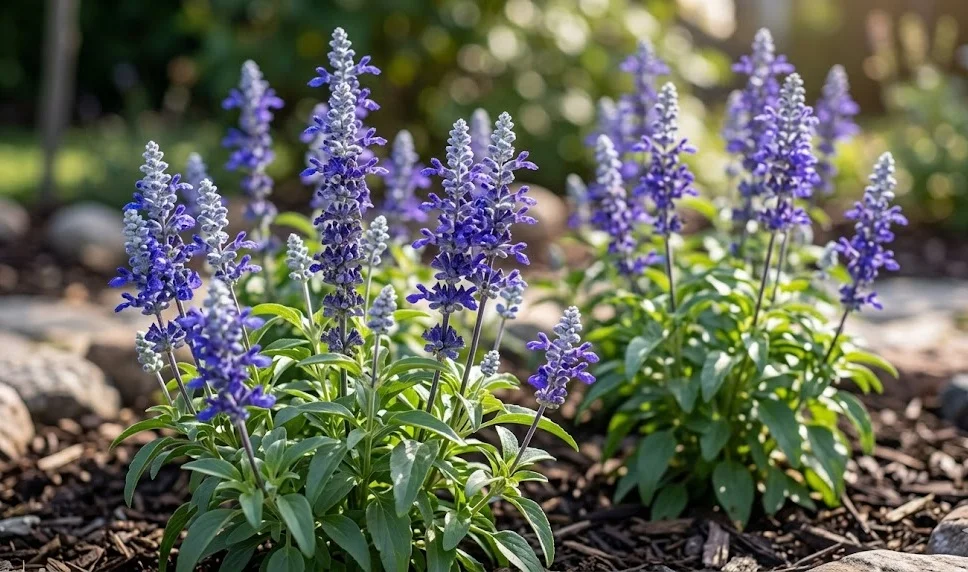

In many climates, mealycup sage is treated as an annual, but with the right techniques, it can be successfully preserved through the colder months. Whether you live in a region where it is naturally perennial or you need to bring it indoors, proper preparation is the key to spring success. This professional guide details the methods for protecting your plants from frost and ensuring they return with vigor when the ground warms up. By mastering overwintering, you can maintain larger, more established specimens that provide an even more impressive floral display each subsequent year.
Regional hardiness considerations
Understanding your local plant hardiness zone is the first and most important step in deciding how to handle your sage during the winter. Mealycup sage is generally considered hardy in zones eight through ten, where the ground rarely freezes deeply for long periods. In these warmer areas, the plant may stay green all year or simply die back to the ground before resprouting in the spring. If you are in a colder zone, you must accept that the plant will not survive outdoors without significant intervention or being moved to a protected environment.
Microclimates within your own garden can also play a role in whether a plant survives a particularly harsh winter season. A spot near a south-facing brick wall or a sheltered corner can be several degrees warmer than the rest of the yard. You should observe where the snow melts first in your garden, as these areas often have the best chance of supporting marginal perennials. Identifying these warm pockets allows you to push the boundaries of what is possible in your specific horticultural and agricultural zone.
Soil moisture during the winter is often more dangerous than the cold temperatures themselves for the survival of the root system. Mealycup sage roots are very prone to rot if they sit in cold, saturated soil for weeks at a time during the dormant phase. If your region experiences wet winters, you must ensure that your planting beds have exceptional drainage to protect the dormant crowns. Many gardeners find that plants in raised beds or on slopes have a much higher survival rate than those in flat, low-lying areas.
Keeping a record of your local winter weather and the survival of your plants provides invaluable data for future planning and adjustments. You might find that some varieties are naturally tougher than others or that certain mulching techniques work better in your specific conditions. This systematic approach to gardening helps you refine your methods and increases your success rate with each passing year. Professionalism in the garden is often about this cycle of observation, action, and reflection throughout the entire calendar year.
More articles on this topic
Mulching and outdoor protection
For those living in zones where the sage is borderline hardy, a thick layer of organic mulch can provide the insulation needed to save the roots. You should wait until the first light frost has killed back the top growth before applying a four-to-six-inch layer of straw, pine needles, or shredded leaves. This protective blanket helps stabilize the soil temperature and prevents the cycle of freezing and thawing that can push plants out of the ground. Be careful to clear the mulch away from the very center of the plant in early spring to allow the new shoots to emerge.
Cutting back the stems of the sage before the onset of winter can help keep the garden looking tidy and reduce the risk of wind damage. You should leave about three to four inches of stem above the ground to serve as a marker for where the plant is located. These remaining stems also help hold the mulch in place and provide a bit of protection for the dormant crown buried just below the surface. This simple task is part of a professional fall cleanup routine that prepares the landscape for its period of rest.
In areas prone to sudden and extreme cold snaps, you might consider using additional physical barriers like frost blankets or burlap wraps. These materials can be draped over the mulched plants during the coldest nights to trap a bit of the earth’s natural heat. It is important to remove these covers during the day if the sun is bright to prevent the plants from overheating or becoming too damp. This level of active management is sometimes required to keep precious or rare specimens alive through an unusually tough winter.
Monitoring the condition of your outdoor plants during any mid-winter thaws can give you a head start on addressing potential issues. You might need to add more mulch if it has blown away or check if the soil has become dangerously dry during a long period without snow or rain. While the plants are dormant, they still require a tiny amount of moisture to keep the root tissues alive and healthy. A quick inspection every few weeks ensures that your winter protection strategy remains effective until the spring arrival.
More articles on this topic
Indoor transition and container care
Bringing mealycup sage indoors is the most reliable way to ensure its survival if you live in a northern climate with deep freezes. You should pot up your plants in late summer or early fall, several weeks before you expect the first frost of the season. This gives the roots time to adjust to the container environment while the weather is still warm and the sun is intense. Use a high-quality, well-draining potting mix and ensure the containers have plenty of drainage holes to prevent any issues with waterlogging.
Once indoors, the plants should be placed in the brightest possible location, such as a south-facing window or under professional grow lights. They will likely go through a period of adjustment where they might lose some leaves or stop flowering, which is perfectly normal. You should reduce your watering significantly, only providing enough to keep the soil from becoming completely bone-dry and dusty. Avoiding fertilizer during this time is also important, as you do not want to encourage weak, leggy growth during the low-light winter months.
Temperature management indoors is critical for keeping the sage healthy without encouraging it to grow too quickly before the spring. A cool room that stays between 55 and 65 degrees Fahrenheit is ideal for maintaining a semi-dormant state that preserves the plant’s energy. If the house is too warm and dry, the plants may become stressed and more susceptible to indoor pests like spider mites or whiteflies. Maintaining a bit of humidity with a pebble tray or occasional misting can help counteract the drying effects of indoor heating systems.
Check your indoor plants regularly for any signs of trouble, such as wilting or the appearance of tiny insects on the new growth. If you notice any pests, you can usually manage them with a simple insecticidal soap or by washing the foliage in the sink. Keeping the plants clean and monitoring their moisture levels will ensure they stay in good condition until the days begin to lengthen again. Transitioning them back to the outdoors in the spring should be done slowly, following the same hardening-off process used for young seedlings.
Spring recovery and rejuvenation
The arrival of spring is an exciting time as you wait for the first signs of life to return to your overwintered mealycup sage. You should begin by gradually removing the heavy winter mulch as the soil warms and the threat of deep freezes begins to diminish. If you see green shoots emerging from the base, it is a sign that your protection efforts were successful and the plant has survived. This is the perfect time to clear away any remaining dead stems from the previous year to make room for the new growth.
For plants kept indoors, you should start increasing the amount of water and light they receive as the outdoor days become longer and brighter. You can also begin to apply a very diluted fertilizer to help kickstart the growth process and prepare the plant for its return to the garden. Once the nighttime temperatures stay consistently above 50 degrees Fahrenheit, you can begin the process of moving the pots back outside. Starting with a few hours in the shade and slowly moving into the sun will prevent the leaves from burning.
Pruning your overwintered plants in the early spring helps shape them and encourages a more bushy, compact habit for the upcoming season. You can cut back any leggy or weak stems that grew during the winter to allow the stronger, new growth to take over. This rejuvenation process ensures that the plant looks its best and produces the maximum number of flower spikes during the summer months. A well-pruned plant is more structurally sound and better able to handle the weight of its own beautiful blue blossoms.
Reflecting on your overwintering success helps you improve your techniques for the next year and beyond in your gardening journey. You might decide to bring more plants indoors or experiment with different types of outdoor insulation based on what you learned. Each season provides new insights into the resilience of the mealycup sage and your ability to manage its complex needs. Successful overwintering is a mark of a truly dedicated and professional gardener who values the longevity and history of their plants.