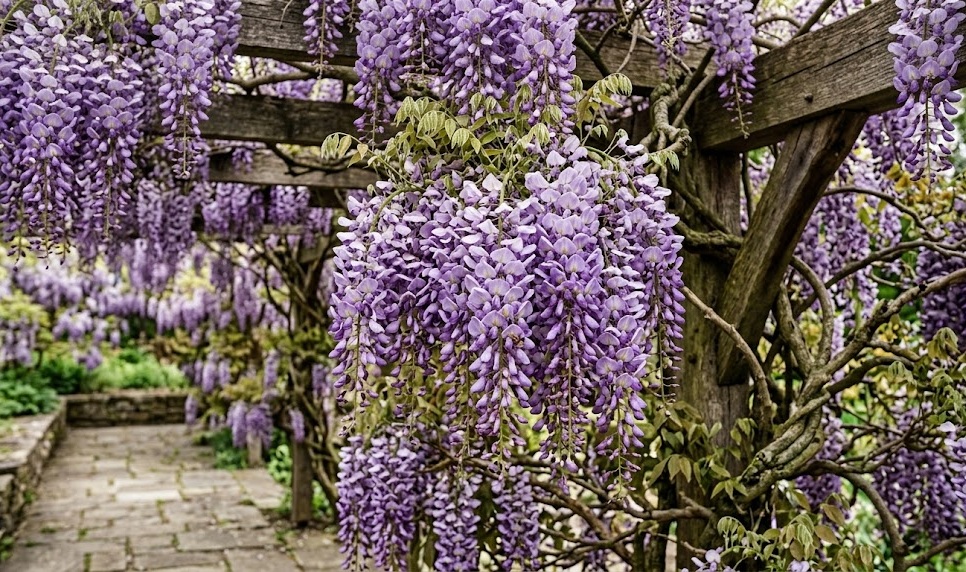

Starting your journey with a new climbing vine begins with the critical process of planting and understanding how to create more plants for your collection. Successful establishment depends heavily on the initial steps you take to prepare the site and ensure the roots have everything they need to grow. Propagating these plants can be a rewarding challenge for any gardener, offering multiple ways to expand your garden’s beauty without purchasing new specimens. By mastering these foundational skills, you can ensure a lifetime of vibrant blooms and healthy growth in your landscape.
The first step in a successful planting project is choosing a location that provides at least six hours of direct sunlight each day. Without sufficient light, the plant will focus all its energy on leaves and stems, resulting in a disappointing lack of flowers. You should also consider the proximity to permanent structures, as the roots can be quite invasive and may damage pipes or foundations over time. A site with deep, fertile soil that drains well is ideal for supporting the fast growth of these woody vines.
Preparing the planting hole is more than just digging a space for the root ball; it is about creating a welcoming environment for growth. You should dig a hole that is at least twice as wide as the current root system but no deeper than the container the plant came in. Mixing in some high-quality compost or aged manure with the native soil will provide an immediate boost of nutrients and improve the soil structure. Gently loosening the roots if they are circling the pot will encourage them to grow outward into the new soil.
After placing the plant in the hole, fill the remaining space with your soil mix and firm it down gently with your hands to remove any large air pockets. Water the area thoroughly right away to help settle the soil and ensure the roots are in direct contact with the moisture they need. Applying a layer of mulch around the base will help keep the soil consistently moist while the plant adjusts to its new home. It is important to keep the mulch a few inches away from the stem to prevent any potential rot or disease.
Propagation through layering techniques
Layering is one of the easiest and most reliable ways for a home gardener to propagate an existing vine because the new plant remains attached to the parent. To begin this process, look for a flexible, young shoot that can easily be bent down to the ground without snapping. You will need to clear a small area of soil where the shoot will make contact and perhaps dig a shallow trench. This method works best in the spring or early summer when the plant is actively growing and the wood is still quite pliable.
More articles on this topic
To encourage root formation, you can gently nick the underside of the stem where it will touch the earth and apply a small amount of rooting hormone. Use a heavy stone or a landscape staple to pin the stem firmly into the soil, making sure the wounded section is buried. The tip of the shoot should remain above ground and be tied to a small stake to encourage it to grow upright. Over the next few months, you must keep this area consistently moist to support the development of a new root system.
Once you see significant new growth on the tip of the layered shoot, it is a good sign that roots have successfully formed underground. You should wait until the following spring before severing the connection to the parent plant to ensure the new roots are strong enough. Use a sharp, clean pair of shears to make a clean cut and then carefully dig up the new plant with as much of its root ball as possible. This new vine is genetically identical to the parent and can be moved to its permanent location in your garden.
This method is particularly useful for those who want a few extra plants without the complexity of seeds or the fragility of cuttings. Because the new plant receives nutrients from the parent during the entire process, the success rate is remarkably high even for beginners. You can layer multiple stems at once if you have enough space around the base of the original vine. It is a slow but steady way to expand your garden with plants that you already know will thrive in your specific climate.
Growing from cuttings and seeds
Propagating from cuttings allows you to create many new plants at once, though it requires more attention to detail and environmental control. Softwood cuttings should be taken in early summer from the current season’s growth, selecting healthy stems that are just starting to firm up. Each cutting should be about six inches long and include at least two or three sets of leaves to provide energy for rooting. Removing the bottom leaves and dipping the cut end into rooting hormone will significantly increase your chances of success.
More articles on this topic
Place the prepared cuttings into a well-draining potting mix and keep them in a warm, humid environment away from direct sunlight. A small greenhouse or even a plastic bag placed over the pot can help maintain the high humidity levels that the cuttings need to stay hydrated. You should check the moisture of the soil daily and mist the leaves to prevent them from wilting before the roots have a chance to develop. Within four to six weeks, you can gently tug on the cuttings to see if they have established roots in the soil.
Growing from seeds is a fascinating process, but it is important to remember that the resulting plants may not look or behave like the parent. The seeds are contained in large, velvety pods that should be allowed to ripen on the vine until they turn brown and start to pop open. You can harvest the seeds and soak them in warm water for twenty-four hours to soften the hard outer shell before planting. Plant them about an inch deep in individual pots and keep them in a sunny window or under grow lights.
The main drawback of starting from seed is the long juvenile period, as these plants often take many years to produce their first flowers. Seedlings also have highly variable growth habits, meaning you might end up with a plant that is much more aggressive or has different colored flowers than expected. For this reason, most professionals use seeds only for breeding new varieties rather than for general landscape use. If you have the patience, watching a tiny seed grow into a massive vine is a deeply satisfying experience.
Advanced grafting and establishment
Grafting is the preferred method for commercial growers because it combines the vigor of a strong rootstock with the superior flowering of a known cultivar. This involves joining a piece of a flowering vine, called a scion, to the root system of a hardy seedling or another established plant. While this requires more technical skill and specialized tools, it ensures that the new plant will bloom much sooner than a seedling. For the average gardener, understanding this process helps in choosing the best plants to buy from a nursery.
When you bring a new plant home, the first few months of establishment are critical for its long-term survival and health. You must be diligent with watering, especially during the first summer when the root system is still confined to a small area. Avoid the temptation to heavily fertilize a newly planted vine, as this can burn the tender new roots and cause more harm than good. Instead, focus on providing a stable environment with consistent moisture and protection from extreme weather conditions.
Mulching is your best friend during the establishment phase, as it helps regulate soil temperature and keeps competing weeds at bay. As the vine begins to grow, you should start training the main stems onto their permanent support structure immediately. Early training prevents the stems from becoming tangled and makes it much easier to manage the plant’s shape as it gains size and strength. Check the ties regularly to ensure they are not cutting into the expanding bark of the young plant.
Regularly inspecting your new plants for signs of stress or pests will allow you to address any issues before they become major problems. If you see yellowing leaves or stunted growth, it may be a sign that the soil is too wet or that the plant needs a light application of balanced fertilizer. Remember that building a strong root system is the plant’s priority during the first year, so do not be discouraged if you do not see much top growth right away. With a solid foundation, your vine will soon reward you with rapid growth and beautiful flowers.