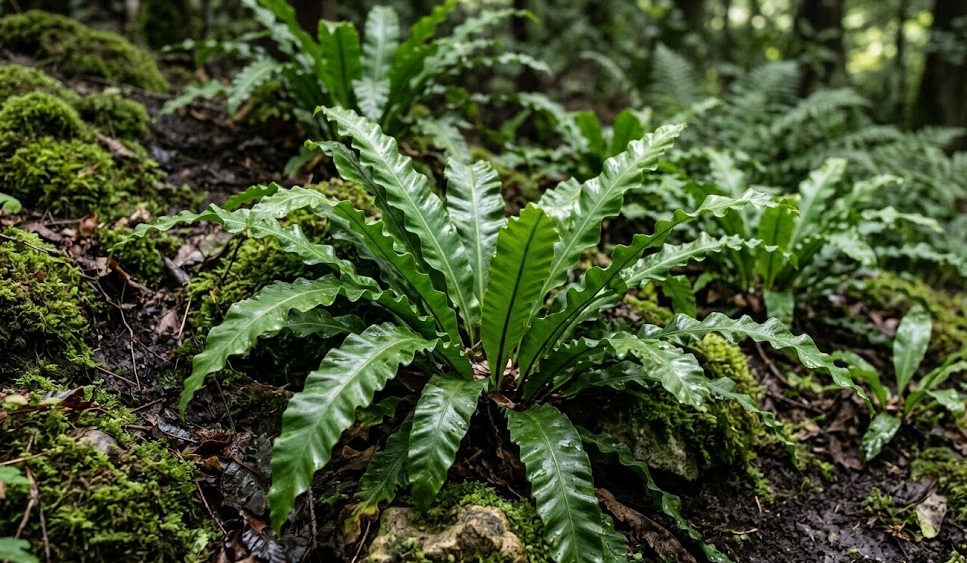

Properly managing the light exposure is one of the most critical factors in maintaining the health and visual appeal of the hart’s tongue fern in your garden or home. This species has evolved to thrive in the dappled shade of deciduous forests, where it is protected from the harsh intensity of the direct midday sun. You must find the “sweet spot” where the plant receives enough light for efficient photosynthesis but remains cool and hydrated within its preferred microclimate. Understanding these subtle lighting needs will help you position your ferns for maximum growth and longevity.
Finding the ideal exposure
The hart’s tongue fern is naturally a shade-loving plant, but this does not mean it can thrive in complete darkness or very deep, stagnant shade. You should look for a location that offers bright, indirect light, which is often found on the north or east side of a building or under the canopy of larger trees. This type of light provides the energy the plant needs to maintain its deep green color and leathery texture without the risk of heat stress. If you are growing the fern indoors, a spot near a window with a sheer curtain can provide the perfect filtered light environment.
Direct afternoon sun is the primary enemy of this species and can quickly cause permanent damage to the sensitive evergreen fronds. You should avoid placing your ferns in south-facing locations where they will be exposed to the full intensity of the sun during the hottest part of the day. Exposure to direct sunlight will cause the leaves to turn a pale, sickly yellow and may eventually lead to brown, papery patches of sunscald. If you notice your fern’s color fading or the leaves feeling unusually warm, it is a clear sign that the light levels are too high.
Seasonal changes in the angle and intensity of the sun can significantly alter the light levels in your garden throughout the year. You might find that a spot that is perfectly shaded in the summer becomes too bright in the winter when the leaves have fallen from the surrounding trees. Conversely, some areas might become too dark during the peak of summer when the canopy is at its densest. Regularly monitoring your plants and being prepared to move container-grown specimens ensures they always have the best possible light balance as the seasons change.
In very low light conditions, the hart’s tongue fern may become “leggy” as it stretches its fronds toward the nearest light source, resulting in a less attractive and more fragile plant. You should look for signs that the plant is struggling to produce enough energy, such as a slow growth rate or a loss of the vibrant, glossy finish on the leaves. If you cannot provide more natural light, you can use specialized LED grow lights to supplement the environment, especially during the darker winter months. Achieving the right balance of light intensity is a skill that comes with observation and experience over time.
More articles on this topic
Adapting to indoor light levels
Growing hart’s tongue ferns indoors presents a unique set of challenges because artificial environments rarely match the complexity of the natural world. You should position your indoor ferns in rooms that receive plenty of natural light but are away from the direct path of the sun’s rays through the glass. North-facing windows are often the safest bet for providing a consistent and gentle light source that won’t overheat the plant. Be mindful that light intensity drops off very quickly as you move away from a window, so proper placement is key to success.
If your home is naturally dark, you can use mirrors or light-colored walls to help reflect and amplify the available light toward your plants. You should also regularly clean the windows to ensure that as much light as possible can enter the room and reach the fern’s foliage. Dust accumulation on the leaves themselves can also block a significant amount of light, so gently wiping them with a damp cloth is an important part of your indoor care routine. These small adjustments can make a big difference in the overall health and vigor of your indoor fern collection.
Fluorescent or LED lighting can be a great way to provide consistent light for ferns kept in offices or rooms without windows. You should choose bulbs that offer a full spectrum of light, mimicking the natural balance of the sun as closely as possible. Position the lights a few feet above the plants and keep them on for about ten to twelve hours a day to simulate a natural day-night cycle. This controlled lighting environment can result in very stable and healthy growth because the plant is not subject to the unpredictability of the weather.
You should pay attention to how your fern responds to its indoor lighting and be prepared to make adjustments if the plant shows signs of stress. For example, if the leaves are growing toward the light at a sharp angle, you should rotate the pot every week to ensure even development on all sides. If the growth seems stunted despite adequate water and nutrients, the plant may simply need a bit more light to fuel its metabolic processes. Indoor fern care is a dynamic process of fine-tuning the environment to meet the specific needs of the plant.
More articles on this topic
Balancing light and temperature
The relationship between light intensity and temperature is a critical consideration for any fern grower, as the two factors are deeply interconnected in nature. You should be aware that high light levels are almost always accompanied by higher temperatures, which can quickly dry out the soil and the air around the plant. In a shaded environment, the air remains cooler and the humidity levels are naturally higher, creating the perfect conditions for the hart’s tongue fern to thrive. Maintaining this cool, shaded balance is the secret to producing the most beautiful and resilient specimens.
During heatwaves or particularly bright summer days, you might need to provide temporary extra shade for your outdoor ferns to prevent them from overheating. You can use garden umbrellas, shade cloth, or even move your pots into a deeper part of the garden until the extreme conditions have passed. Providing a deep watering in the morning can also help the plant cope with higher light levels by ensuring it has plenty of moisture to transpire during the day. Proactive management during the peak of summer will keep your ferns looking lush even in challenging weather.
In the winter, when the light is much weaker, the plant can tolerate a bit more direct exposure than it would during the summer months. You might find that moving your ferns to a slightly brighter spot during the shortest days of the year helps them maintain their energy levels and avoid a total shutdown. However, you must still be careful to avoid placing them near heat sources like radiators, which can be more damaging than the light itself. This seasonal “dance” with the environment is a hallmark of an attentive and successful gardener.
Ultimately, your goal is to create a stable and predictable light environment that allows the hart’s tongue fern to express its natural beauty to the fullest. You should value the slow and steady growth that comes from a well-balanced site over the rapid, weak growth that might result from improper lighting. By understanding the evolutionary history and natural habitat of this species, you can provide exactly what it needs to be a thriving part of your collection. Your ferns will reward your efforts with a lifetime of beautiful, evergreen foliage that enhances any shaded space.