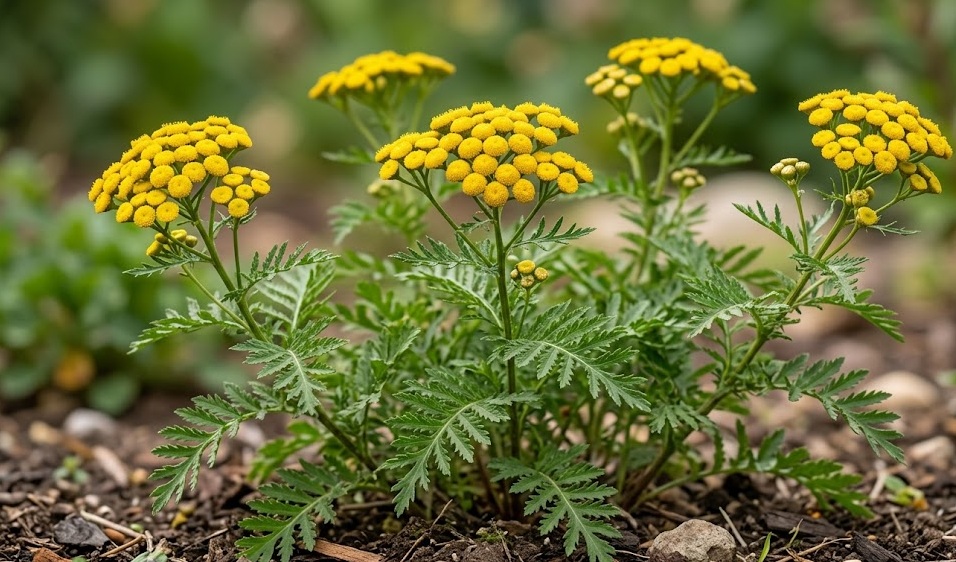

Fungal diseases can occasionally affect the common tansy, particularly when environmental conditions are excessively damp or air circulation is poor. Powdery mildew is one of the most frequently encountered issues, appearing as a white, flour-like substance on the surface of the leaves. This infection can weaken the plant over time by interfering with its ability to perform photosynthesis and produce energy. Professional management starts with identifying the early signs of infection before it spreads to the entire specimen or neighboring plants.
Preventative measures are the most effective way to handle fungal problems in a professional gardening context. Ensuring that each plant has enough space for adequate airflow reduces the localized humidity that fungi need to thrive. Pruning out any dense or overlapping growth can also help keep the interior of the plant dry and healthy. It is always better to invest time in prevention rather than trying to cure a widespread infection later in the season.
If a fungal infection does occur, removing and destroying the affected foliage is the first step in controlling the spread. It is crucial not to compost this material, as many fungal spores can survive the composting process and return to the garden. Organic fungicides, such as those based on sulfur or neem oil, can be used to protect the remaining healthy leaves. These treatments should be applied during the early morning or late evening to avoid any potential damage from the sun.
Long-term management involves selecting planting sites that are less prone to high humidity and standing water. Improving the drainage of the soil and using drip irrigation instead of overhead watering are also key strategies for reducing fungal risk. Observing how different varieties of the plant react to local conditions can help in selecting the most resilient specimens for future plantings. A healthy and vigorous plant is always its own best defense against the threat of disease.
Insect pest identification and control
While common tansy is relatively resistant to many insects, certain pests can still cause localized damage to the foliage and flowers. Aphids are small, sap-sucking insects that can sometimes congregate on the new, tender growth in the spring. Their presence can lead to distorted leaves and the growth of sooty mold due to the sticky honeydew they secrete. Regularly inspecting the tips of the stems will help in identifying these pests before their population grows too large.
More articles on this topic
Natural predators, such as ladybugs and lacewings, are the most professional and sustainable way to control minor insect infestations. Encouraging a diverse range of beneficial insects in the garden creates a balanced ecosystem where pests are kept in check. In some cases, a strong stream of water from a garden hose can be enough to dislodge aphids and reduce their impact. This mechanical control method is safe for the environment and highly effective for small-scale problems.
Other potential pests include certain types of beetles or caterpillars that may feed on the leaves of the plant. If the damage is significant, hand-picking the insects is a simple and direct way to manage the situation without the use of chemicals. For larger infestations, organic insecticidal soaps can be applied to the affected areas of the plant. It is important to target the application specifically to the pests to avoid harming any beneficial insects that may be present.
Understanding the life cycle of common garden pests allows for more strategic interventions throughout the growing season. Many insects have specific periods of activity when they are most vulnerable to control measures. Professional gardeners use this knowledge to time their inspections and treatments for maximum effectiveness and minimum environmental impact. Maintaining a clean and well-ordered garden space also reduces the number of hiding places for unwanted insects.
Preventative measures for a healthy garden
A professional approach to plant health always prioritizes prevention over intervention when dealing with diseases and pests. Maintaining the overall vigor of the common tansy through proper watering and fertilizing is the foundation of a healthy garden. Plants that are under stress from drought or nutrient deficiency are far more likely to succumb to infections or infestations. By providing a stable and supportive environment, the gardener empowers the plant to defend itself naturally.
More articles on this topic
Sanitation is another critical component of a comprehensive preventative strategy for any horticultural space. Clearing away dead leaves, spent flowers, and other debris removes potential breeding grounds for pests and pathogens. Tools should be cleaned and disinfected regularly to prevent the accidental transfer of problems between different areas of the garden. A tidy landscape is not only more aesthetically pleasing but also significantly more resilient to biological threats.
Crop rotation and strategic plant placement can also help break the life cycles of many common garden pests. Avoid planting the same or related species in the same location year after year to prevent the buildup of specific pathogens in the soil. Interspersing common tansy with other types of plants can create a more complex environment that is less attractive to specialized pests. This diversity is a hallmark of professional agricultural design and contributes to long-term stability.
Regular monitoring and documentation of the garden’s health allow for the early detection of any emerging issues. Keeping a journal of when certain pests or diseases appear can help in anticipating future problems and refining the preventative routine. This proactive mindset is what separates a professional horticulturist from a casual gardener. Through observation and consistent care, most problems can be managed effectively before they become major crises.
Organic control solutions and their application
When intervention is necessary, professional gardeners prefer to use organic control solutions that have a minimal impact on the wider environment. Neem oil is a versatile product that can act as both an insecticide and a fungicide for a variety of garden problems. It works by disrupting the life cycles of insects and preventing the growth of fungal spores on the leaf surface. Proper dilution and application are essential to ensure the product is effective without being harmful to the plant.
Horticultural oils and insecticidal soaps are other valuable tools for managing soft-bodied pests like aphids and mites. These products work through physical contact, so it is important to ensure thorough coverage of both the top and bottom of the leaves. Because they have no residual effect, they must be reapplied if new pests arrive after the initial treatment. Always follow the manufacturer’s instructions to ensure the safety of both the gardener and the ecosystem.
Biological controls, such as the introduction of beneficial nematodes or specific bacteria, can target pests that live in the soil. These living solutions are highly specific and do not harm humans, pets, or non-target insects in the garden. They are particularly effective for managing the larval stages of various beetles and flies that can damage the roots. Using these advanced methods reflects a high level of professional knowledge and a commitment to sustainable practices.
The successful application of any control measure requires attention to detail and a respect for the natural rhythms of the garden. Avoid applying any treatments during the heat of the day or when pollinators are most active on the flowers. Testing a small area of the plant before a full application ensures that the specimen will not have an adverse reaction to the product. A professional approach ensures that the health of the plant is restored with as little disruption as possible.
Identifying stress indicators and early warnings
The ability to read the subtle signs of plant stress is a vital skill for any professional maintaining a collection of common tansy. Changes in leaf color, such as yellowing or browning of the edges, can indicate a wide range of potential problems. Stunted growth or a sudden drop in flower production are also clear signals that the plant’s needs are not being met. Identifying these indicators early allows for a more targeted and effective response to the underlying issue.
Environmental stress, such as extreme heat or unexpected frost, can often mimic the symptoms of disease or pest damage. It is important to consider the recent weather patterns and the history of the site when diagnosing any new problem. Checking the moisture levels of the soil and the condition of the roots can provide valuable clues about the plant’s status. A thorough investigation ensures that the gardener addresses the true cause of the stress rather than just the symptoms.
Competition from weeds or neighboring plants can also lead to signs of decline in an otherwise healthy tansy. If the plant is being overshadowed, it may become leggy and weak as it tries to reach for more light. Root competition for water and nutrients can result in general wilting and a lack of vigor throughout the growing season. Regular maintenance that includes weeding and thinning ensures that the plant has the resources it needs to remain strong.
Developing a deep familiarity with the normal appearance and growth habits of the species is the best way to spot anomalies. Over time, a professional gardener learns to recognize the early warnings of trouble long before they become obvious to the untrained eye. This intuition, backed by scientific knowledge and careful observation, is the key to maintaining a flawless landscape. Consistent care and a watchful eye ensure that the common tansy remains a highlight of the garden for years to come.