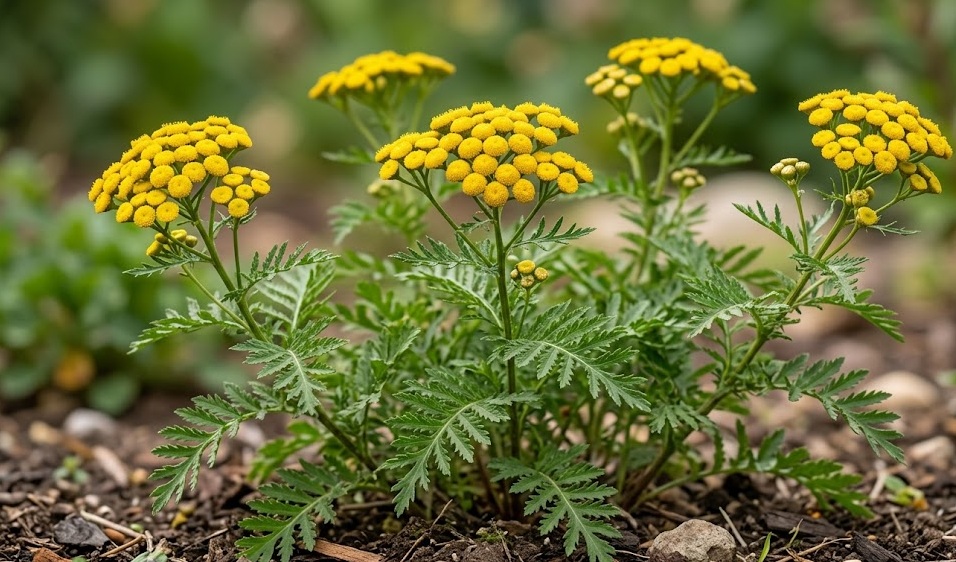

Proper hydration is a fundamental component of professional common tansy management, particularly during the first year of its growth. While established plants are known for their ability to withstand periods of drought, consistent moisture levels support more vibrant foliage and abundant flowering. The watering schedule should be adjusted based on the specific environmental conditions of the site, such as sun exposure and wind levels. A deep soaking that reaches the entire root zone is far more beneficial than frequent shallow waterings.
Morning is the optimal time for irrigation as it allows the foliage to dry completely before the evening temperatures drop. This practice is a key preventative measure against the development of fungal diseases that thrive in damp, cool conditions. Using a soaker hose or drip irrigation system is highly recommended to deliver water directly to the soil surface. This method reduces evaporation and ensures that the moisture is used as efficiently as possible by the plant.
Observing the condition of the leaves can provide immediate feedback on the hydration status of the specimen. A slight drooping of the foliage during the heat of the afternoon is often normal, but persistent wilting indicates a need for water. Soil that feels dry to a depth of two inches is a clear signal that it is time to perform a thorough watering session. Professional gardeners always strive to maintain a balance that avoids both extreme dryness and excessive saturation.
Winter watering may be necessary in certain regions where the ground does not freeze and rainfall is unusually low. Even during dormancy, the roots require a minimal amount of moisture to remain viable and healthy. This task should be performed on warmer days to ensure the water can penetrate the soil before the temperature drops at night. Maintaining a baseline of hydration throughout the year contributes to the overall resilience of the plant in the long run.
Nutrient management and soil enrichment
Fertilizing the common tansy should be approached with a strategy that emphasizes long-term soil health over quick, artificial growth. High-quality organic compost is often the only amendment needed to provide a balanced range of essential minerals. This material improves the structure of the soil while slowly releasing nutrients as it breaks down over the growing season. A thin layer applied to the base of the plant in the early spring provides an excellent foundation for the coming months.
More articles on this topic
Over-fertilization with high-nitrogen products can lead to excessive foliage growth at the expense of structural strength and flower production. Plants that are fed too heavily often become weak and prone to flopping over during summer storms. A more moderate approach ensures that the growth remains sturdy and the plant maintains its natural, professional appearance. Monitoring the color and size of the leaves will help determine if additional feeding is required in any given year.
Micro-nutrients also play a significant role in the internal chemical processes of the plant, such as photosynthesis and enzyme production. If the soil is known to be deficient in specific elements, a specialized organic liquid fertilizer can be used as a supplement. These products are quickly absorbed by the roots and can provide a rapid boost if the plant shows signs of specific deficiencies. However, these interventions should always be based on a clear understanding of the soil’s current composition.
Sustainability in nutrient management involves recycling the plant’s own biomass back into the garden ecosystem. Composting the spent stems and leaves after pruning returns valuable minerals to the earth for future generations of plants. This closed-loop system reduces the need for external inputs and fosters a more self-sufficient garden environment. Professional agriculturists recognize that healthy soil is a living resource that must be nurtured and protected through careful management.
Soil composition and its effect on feeding
The specific composition of the soil in the garden significantly influences how nutrients and water are held and released to the plant. Sandy soils tend to drain quickly and may require more frequent watering and smaller, more frequent applications of fertilizer. In contrast, clay-heavy soils hold onto moisture and minerals for longer periods but can suffer from poor aeration. Understanding these characteristics allows the gardener to tailor their care routine to the unique needs of their site.
More articles on this topic
Incorporating organic matter is a universal solution for improving the performance of almost any soil type. It helps sandy soils hold onto water while breaking up the dense structure of clay to allow for better drainage. This improvement in soil physical properties makes the nutrients already present in the ground more accessible to the root system. A professional grower will prioritize the improvement of soil structure as the most effective way to enhance plant health.
Soil pH is another critical factor that determines the availability of nutrients to the common tansy. Most garden plants prefer a slightly acidic to neutral range where the most essential minerals are easily dissolved in the soil water. Testing the pH level every few years ensures that the environment remains optimal for the specific chemical needs of the species. If the soil is too alkaline or too acidic, the plant may suffer from nutrient lockout even if the minerals are present in the earth.
Mulching is a complementary practice that supports both the watering and fertilizing efforts of the professional gardener. A thick layer of organic mulch protects the soil surface from erosion and prevents the formation of a hard crust that blocks water penetration. As it decomposes, it contributes to the nutrient pool and supports a healthy population of beneficial soil organisms. This holistic approach to soil management creates a stable and productive environment where the tansy can truly flourish.
Seasonal feeding and irrigation schedules
The timing of watering and fertilizing should follow the natural growth cycle of the common tansy as it moves through the seasons. In the spring, the focus is on supporting the initial flush of growth with adequate moisture and a fresh layer of compost. As the weather warms up in late spring and early summer, irrigation becomes more frequent to sustain the developing flower buds. This is the period of highest demand for both water and nutrients as the plant reaches its peak size.
During the height of the summer bloom, watering remains the primary task, especially if rainfall is scarce in the local area. Fertilization should be avoided during periods of extreme heat as it can cause extra stress to the plant’s metabolic systems. If the plant appears to be struggling, a light application of compost tea can provide a gentle boost without the risk of burning the roots. Maintaining a consistent environment during this peak period ensures the longevity of the floral display.
As the season transitions into autumn, both watering and feeding should be gradually scaled back to prepare the plant for dormancy. Reducing the amount of available moisture encourages the stems to harden off and the roots to store energy for the winter. No additional fertilizers should be applied after mid-summer to avoid stimulating new growth that would be susceptible to frost damage. This transition phase is essential for the long-term health and survival of the perennial specimen.
Professional management involves keeping a detailed log of the care provided to the garden throughout the year. Recording the dates of fertilization and the amount of irrigation helps identify patterns and refine the care routine for future seasons. This data-driven approach allows the gardener to make more informed decisions and anticipate the needs of the plants more accurately. Success in watering and fertilizing is the result of observation, consistency, and a deep understanding of the plant’s biology.
Irrigation methods and technical considerations
Selecting the most appropriate irrigation method depends on the size of the planting and the available resources of the garden. Hand-watering allows for a high degree of precision and the opportunity to inspect each plant closely during the process. For larger areas, an automated system can save time and ensure that the plants receive a consistent amount of moisture. Regardless of the method used, the goal remains the same: to deliver water efficiently to the root zone without wasting resources.
Drip irrigation is widely considered the most professional and sustainable way to manage the water needs of a garden border. This system delivers water slowly through emitters placed directly on the soil, minimizing evaporation and runoff. It also keeps the foliage dry, which is a major advantage in preventing the spread of water-borne pathogens. Installing a timer further enhances the efficiency of the system by allowing for watering during the optimal early morning hours.
Soaker hoses offer a more affordable but still effective alternative for providing deep hydration to rows of plants. These porous hoses allow water to seep out along their entire length, creating a consistent band of moisture in the soil. They are easy to install and can be hidden under a layer of mulch for a more aesthetic appearance in the landscape. Regular inspection of the hoses is necessary to ensure there are no clogs or leaks that could disrupt the delivery of water.
Technical considerations also include the quality of the water being used for irrigation in the garden. Rainwater collected in barrels is often the best choice as it is free from the chlorine and minerals found in municipal supplies. If using tap water, allowing it to sit for a short period can help some of the additives dissipate before it reaches the plants. A professional approach to irrigation accounts for every detail, from the method of delivery to the quality of the resource itself.