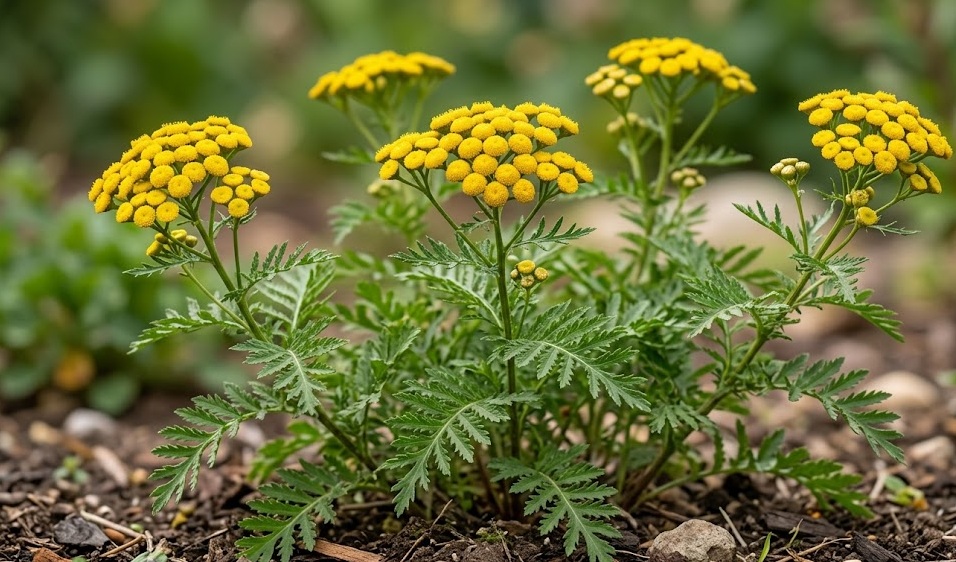

Maintaining the common tansy requires a dedicated approach that balances its vigorous growth with the specific needs of a hardy perennial. Gardeners often value this plant for its aromatic leaves and bright yellow flowers that bloom throughout the summer months. It is essential to understand the biological rhythm of the species to provide the best possible environment for its development. Successful cultivation starts with a clear plan that addresses both the physical requirements and the potential spread of the root system.
Consistency in monitoring the health of the foliage is a key aspect of professional gardening standards. Regularly checking for signs of stress or nutrient deficiency allows for timely interventions before any major damage occurs. The plant thrives when it is given enough space to expand without competing too aggressively with neighboring species. Establishing a routine for checking soil moisture and plant stability will yield the most aesthetic results over the long term.
The structural integrity of the plant depends heavily on the quality of the maintenance provided during its peak growing season. As the stems grow taller, they may require additional support if the garden is located in a particularly windy area. Observing how the plant reacts to different weather patterns provides insights into its overall resilience and vigor. A professional eye will always notice the subtle changes in leaf color that indicate the plant is reaching its full potential.
Environmental factors should be considered when designing the maintenance schedule for this specific herbaceous species. Adaptation to local climate conditions ensures that the plant does not expend unnecessary energy on survival rather than flowering. Utilizing natural mulch can help regulate the temperature of the root zone while suppressing the growth of unwanted weeds. Careful attention to these details creates a sustainable environment where the plant can remain a permanent fixture in the landscape.
Soil conditions and preparation techniques
The success of any agricultural endeavor begins with the careful preparation of the soil to meet the specific requirements of the crop. For the common tansy, a well-drained medium is the most important factor for preventing root rot and other moisture-related issues. Testing the pH levels of the earth can provide a baseline for any necessary amendments before the planting process begins. Organic matter should be incorporated into the top layer of the soil to improve both structure and nutrient availability.
More articles on this topic
Microbial activity within the soil is essential for the breakdown of minerals into forms that the plant can easily absorb. Adding high-quality compost or well-rotted manure during the initial preparation phase encourages a healthy subterranean ecosystem. The texture of the ground should be loose enough to allow the roots to penetrate deeply and establish a strong foundation. Compaction must be avoided at all costs as it restricts the flow of oxygen and water to the sensitive root hairs.
Strategic drainage solutions are often necessary in areas where the soil has a high clay content and tends to hold onto water. Creating raised beds or incorporating coarse sand into the planting hole can significantly improve the movement of moisture. It is also beneficial to clear the area of any large stones or debris that might interfere with the natural expansion of the rhizomes. A clean and well-structured planting site provides the best possible start for a long-lived and productive plant.
Long-term soil health is maintained through the moderate addition of organic amendments on an annual basis. This practice ensures that the mineral content of the earth remains balanced and capable of supporting vigorous growth year after year. Rotation of nearby crops can also help prevent the depletion of specific nutrients that are crucial for the development of the tansy. Professional growers always prioritize the condition of the ground as the most critical element of their horticultural success.
Managing the growth and invasive nature
The common tansy is known for its ability to spread rapidly through both seeds and underground rhizomes if left unchecked. Controlling the expansion of the plant is vital to maintaining the intended design and balance of a professional garden. Installing physical barriers or deep edging can help contain the root system within a specific area of the landscape. Regular monitoring of the surrounding soil for new shoots will allow for quick removal before they become established.
More articles on this topic
Removing the flower heads before they have a chance to set seed is an effective strategy for preventing unwanted dispersal. This process, often referred to as deadheading, redirect the plant’s energy from seed production back into the foliage and roots. It is particularly important in regions where the species is considered to have invasive tendencies in the local wild areas. By being proactive, a gardener can enjoy the benefits of the plant without the risk of it taking over the entire property.
Strategic thinning of the stems can also improve air circulation and light penetration within the center of the plant. This practice not only keeps the size of the specimen manageable but also reduces the risk of fungal diseases. Removing the older and less productive parts of the plant encourages the growth of new and more vibrant shoots. A well-managed tansy will always appear more organized and aesthetically pleasing than one that is allowed to grow wild.
Understanding the competitive nature of the species allows for better integration with other plants in the garden. It is best to pair it with equally vigorous neighbors that can hold their own against its expansive root system. Providing sufficient space between the tansy and more delicate perennials will prevent the latter from being overshadowed or crowded out. Careful planning and regular maintenance are the keys to keeping this hardy plant as an asset rather than a burden.
Seasonal care and environmental adaptation
Spring marks the beginning of the growth cycle and is the ideal time to clear away any debris from the previous year. Removing the dead stalks allows the new green shoots to emerge without obstruction from the winter mulch. This is also the period when the first applications of organic matter should be integrated into the surrounding soil. Early season care sets the stage for the lush development that will follow in the warmer months of the year.
During the height of summer, the primary focus shifts to ensuring the plant remains hydrated and free from significant heat stress. While the species is relatively drought-tolerant, providing a consistent supply of water during dry spells will maintain the quality of the flowers. Monitoring the foliage for any signs of wilting or discoloration is essential during periods of extreme temperature. Providing a light layer of mulch can help protect the roots from the intense rays of the midday sun.
Autumn care involves preparing the plant for the dormant period that occurs during the cold winter months. Once the flowering period has finished, the stems can be cut back significantly to reduce the risk of snow damage. This is also a good time to assess the overall health of the root system and make any necessary plans for division in the coming year. Clearing away fallen leaves and spent flowers helps prevent the overwintering of pests and pathogens in the garden.
The adaptation of the plant to its specific environment is a continuous process that requires observation and minor adjustments. Local variations in rainfall and temperature will dictate the specific needs of the tansy in any given year. By responding to the unique conditions of each season, the gardener can ensure the longevity and health of the specimen. Professional management always accounts for the dynamic nature of the environment and the shifting needs of the plant.
Beneficial impact on garden ecology
The presence of common tansy in a landscape can have a significant positive impact on the local biodiversity of the area. Its bright flowers are a valuable source of nectar for many species of bees, butterflies, and other beneficial pollinators. By providing these resources, the plant helps support the health of the entire garden ecosystem and the surrounding environment. Many professional agriculturists value the plant for its ability to attract predatory insects that naturally control pest populations.
The aromatic compounds found within the leaves often act as a natural deterrent for certain types of unwanted garden pests. Some gardeners choose to plant it near sensitive crops to provide a level of protection without the use of synthetic chemicals. This integrated pest management approach is a hallmark of sustainable and ecologically conscious gardening practices. The scent of the foliage is particularly effective at repelling various flies and beetles that can damage other plants.
Soil health is also improved through the deep-reaching root system of the plant, which helps break up compacted layers of earth. As the roots grow and eventually decompose, they create channels that improve the movement of air and water through the ground. The accumulation of biomass from the fallen leaves and stems contributes to the organic matter content of the soil over time. These ecological functions make the plant a valuable contributor to the overall vitality of the garden landscape.
Utilizing the plant as a component of a diverse planting scheme encourages a more resilient and balanced outdoor space. It fills a specific niche that provides both aesthetic beauty and functional benefits to the flora and fauna of the site. Observing the interactions between the tansy and the local wildlife can be a rewarding experience for any professional horticulturist. Integration into a holistic garden plan ensures that all aspects of the ecology are supported and maintained.
Tools and safety for handling plants
Working with common tansy requires the use of appropriate tools and safety equipment to ensure both the gardener’s health and the plant’s integrity. High-quality pruning shears are essential for making clean cuts that heal quickly and do not invite disease. It is important to keep these tools sharp and well-maintained to avoid crushing the stems during the maintenance process. Using the right equipment makes the work more efficient and results in a more professional appearance for the garden.
The plant contains certain chemical compounds that can cause skin irritation or allergic reactions in sensitive individuals. Wearing durable gardening gloves is a necessary precaution when handling the foliage or performing any significant pruning tasks. Long sleeves can also provide an extra layer of protection against the rough texture of the stems and leaves. Being mindful of these safety measures allows for a comfortable and productive experience in the garden throughout the season.
Proper sanitation of tools is another critical aspect of professional plant care that should never be overlooked. Cleaning shears with a disinfectant between uses prevents the accidental spread of pathogens from one specimen to another. This practice is especially important when dealing with plants that may show signs of infection or pest infestation. A disciplined approach to tool maintenance reflects a commitment to the highest standards of horticultural excellence.
Storage and organization of gardening equipment contribute to the overall effectiveness of the maintenance routine. Keeping tools in a dry and secure location prevents rust and ensures they are ready for use whenever they are needed. Regularly inspecting the condition of gloves and other protective gear is also a part of a comprehensive safety plan. Professionalism in gardening extends from the care of the plants to the management of the tools that make the work possible.
Long term sustainability in the landscape
Integrating common tansy into a permanent landscape plan requires a vision for the future development of the garden. As a perennial, the plant will return year after year, slowly increasing in size and impact on its surroundings. Selecting a location that allows for this growth ensures that the plant does not need to be moved frequently. This stability allows the root system to become deeply established and resilient to environmental changes over the years.
Sustainable gardening practices focus on minimizing inputs while maximizing the health and productivity of the ecosystem. The common tansy is an excellent choice for such a philosophy due to its low requirements for supplemental watering and synthetic fertilizers. By relying on natural processes and organic amendments, the gardener can maintain a beautiful space with a minimal environmental footprint. This approach benefits not only the individual plant but also the wider community and the planet as a whole.
The long-term success of the plant is also tied to the gardener’s ability to adapt to its changing needs over time. As the specimen matures, it may require more frequent division to maintain its vigor and prevent overcrowding. Observing the life cycle of the plant provides valuable lessons in the rhythms of nature and the importance of patience. Professional horticulturists value the consistency and reliability that a well-established tansy brings to their landscape designs.
Final considerations for sustainability involve the responsible management of the plant’s spread into neighboring areas. Ensuring that the species does not escape cultivation is a primary duty of any professional working with potentially expansive plants. By following best practices for containment and seed management, the gardener can enjoy the benefits of the tansy responsibly. A beautiful and sustainable garden is the result of careful planning, consistent care, and a deep respect for the natural world.
Common tansy (Tanacetum vulgare) is a plant that requires a balanced perspective, as its vigorous growth can easily become invasive if not managed correctly. I’ve found that planting it in a contained area or using root barriers can help keep it from spreading where it’s not wanted. The aromatic foliage is a fantastic natural repellent for many common garden pests, which makes it a great companion plant for a variety of other species. It’s also very attractive to pollinators, especially bees and butterflies, which can help improve the overall biodiversity of your garden. I always recommend cutting the flowers off before they have a chance to go to seed to further control its spread. It’s a hardy and versatile plant that can be a great addition to any garden if you’re willing to put in a little bit of extra effort.
Dr. Baxter, your point about the invasive nature of tansy is a very important one; I’ve seen it take over an entire garden bed in just a few seasons. I’ve had good luck growing it in large pots, which naturally limits its growth and makes it much easier to manage. I also find that the scent of the leaves is a great natural deterrent for ants and flies, so I like to keep a few pots near my outdoor seating areas. It’s also worth mentioning that the bright yellow flowers are fantastic for drying and use in arrangements or crafts. They hold their color remarkably well and add a nice touch of rustic charm to any home. I’ve found that the plant is very drought-tolerant once it’s established, making it a great choice for low-maintenance garden areas.