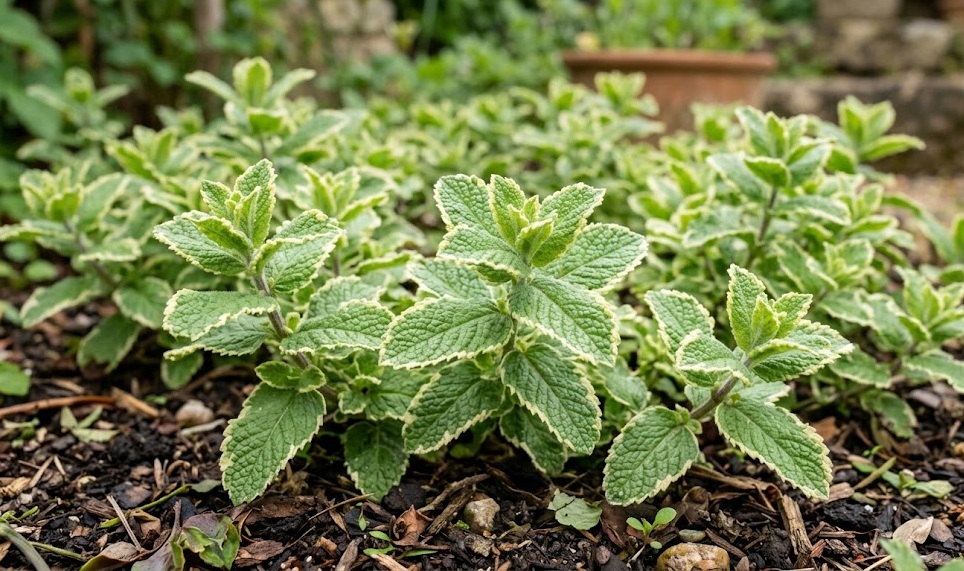

Properly managing the hydration and nutritional intake of pineapple mint is a fundamental skill for any gardener who wishes to maintain the plant’s lush appearance and unique fragrance. This variegated herb has specific requirements that differ from more traditional drought-tolerant Mediterranean plants, making it essential to develop a consistent and observant care routine. Because the white margins of the leaves are sensitive to environmental stress, the balance of water and nutrients directly impacts the plant’s ornamental quality. A professional approach involves monitoring soil moisture levels closely and providing a steady, but not overwhelming, supply of organic matter to support vigorous growth throughout the season.
Watering is perhaps the most frequent task you will perform, and its timing can make a significant difference in the health of the foliage. You should aim to keep the soil consistently damp, resembling the texture of a wrung-out sponge, which allows the shallow roots to absorb moisture without suffocation. During periods of extreme heat, the plant may wilt slightly in the afternoon, but a deep watering in the early morning can provide the resilience it needs to withstand the sun. Avoiding late-evening watering is also professional practice, as it prevents moisture from sitting on the leaves overnight, which can attract fungal pathogens.
Fertilization for pineapple mint should be viewed as a way to supplement the natural fertility of the soil rather than a way to force rapid, unnatural growth. Over-fertilizing, particularly with high-nitrogen synthetic products, can lead to a loss of the characteristic variegation as the plant produces more chlorophyll to keep up with the growth spurt. You should prioritize slow-release organic fertilizers or compost teas that provide a balanced spectrum of nutrients over a longer period. This method ensures the plant remains strong and bushy, with the essential oils in the leaves remaining concentrated and aromatic for culinary use.
Finally, a humanized perspective on watering and feeding involves learning to read the plant’s physical cues to adjust your schedule. If you notice the lower leaves turning yellow, it might be a sign of overwatering or a lack of nitrogen, requiring a subtle change in your routine. Conversely, crispy brown edges on the white parts of the leaves often indicate that the plant is not receiving enough water or that the soil is drying out too quickly. By being attentive and responsive to these signs, you can maintain a professional-grade herb garden that looks and smells exceptional all year long.
Understanding hydration requirements
The hydration needs of pineapple mint are dictated by its shallow root system and its large, soft leaves which lose moisture quickly through transpiration. You must understand that this plant does not have the deep-reaching roots of a shrub, so it cannot tap into deep water reserves during a drought. This means that the top ten centimeters of soil are the most important area to keep hydrated, as that is where the majority of the plant’s “engine” resides. Keeping a consistent moisture level prevents the plant from entering a stress-induced dormancy that can stunt its growth for weeks.
More articles on this topic
When considering how much to water, you should take into account the type of soil in your garden and the current weather conditions. Sandy soils will drain very quickly and may require daily attention during the summer, while clay-heavy soils might hold onto moisture for several days. You can test the soil by sticking your finger an inch or two into the ground; if it feels dry, it is time to provide more water. This manual check is much more reliable than following a rigid calendar-based schedule which doesn’t account for unexpected heatwaves or rain.
Mulching is a professional technique that significantly reduces the amount of water you need to apply by preventing evaporation from the soil surface. By applying a five-centimeter layer of organic mulch like shredded bark or compost around the base of the mint, you create a buffer that keeps the roots cool. This is especially important for variegated plants, as cool roots help the plant maintain its foliage during the hottest parts of the day. The mulch also breaks down over time, contributing even more organic matter back into the soil and improving its overall structure.
Finally, the method of delivery is just as important as the frequency of watering to ensure the plant stays healthy and disease-free. You should always aim the water at the base of the plant using a soaker hose or a watering can with a narrow spout to keep the foliage dry. Wet leaves, especially in crowded mint patches, are a primary invitation for rust and other fungal diseases that can quickly ruin a crop. If you must use a sprinkler, do so early in the day so the sun has plenty of time to dry the leaves before the temperature drops in the evening.
Nutritional management for variegated herbs
Providing the right nutrients for pineapple mint requires a “less is more” philosophy to preserve its unique variegated patterns. While common green mint can handle heavy feeding, this cultivar is at its best when it receives a steady, moderate supply of nutrition. A soil that is already rich in organic matter usually provides most of what the plant needs for the first half of the growing season. You will find that a plant grown in healthy, living soil is much more resilient to pests and diseases than one that is artificially pushed with chemicals.
More articles on this topic
If you do decide to supplement, the best time to apply fertilizer is in the early spring just as the new growth begins to emerge from the soil. A balanced, organic granular fertilizer with an N-P-K ratio such as 5-5-5 or 10-10-10 is an excellent choice for supporting overall health. You should sprinkle the granules around the base of the plant and lightly scratch them into the surface of the soil before watering thoroughly. This ensures the nutrients are moved down to the root zone where they can be immediately utilized by the waking plant.
Mid-season feeding can be beneficial if you are harvesting the mint heavily and the plant needs an extra boost to regenerate its foliage. For this purpose, a liquid seaweed extract or a diluted compost tea is often better than a solid fertilizer as it provides a quick dose of micronutrients. These liquid options are easily absorbed and don’t carry the risk of burning the delicate roots of the mint if applied correctly. Always follow the manufacturer’s instructions for dilution, as concentrated fertilizers can do more harm than good to a variegated herb.
It is also important to monitor the pH of your soil, as this affects the availability of nutrients to the plant. Pineapple mint prefers a soil that is slightly acidic to neutral, generally in the range of 6.0 to 7.0 on the pH scale. If the soil becomes too alkaline, the plant may struggle to take up iron and other essential minerals, leading to a condition called chlorosis where the leaves turn yellow between the veins. A simple soil test kit can help you determine if you need to add sulfur or other amendments to keep the environment optimal for nutrient uptake.
Identifying and correcting imbalances
Learning to identify the signs of nutritional or hydration imbalances is a key part of professional plant management. When a pineapple mint plant is receiving too much water, you might notice that the new growth looks stunted and the leaves have a pale, almost translucent appearance. In severe cases, the stems may feel soft or mushy at the base, which is a clear indication of root rot caused by a lack of oxygen in the soil. If this happens, you must immediately stop watering and check if the drainage of the site can be improved by adding grit or raising the bed.
A lack of nitrogen is another common issue that can cause the older leaves at the bottom of the plant to turn yellow and drop off prematurely. While you want to avoid excess nitrogen, a complete lack of it will prevent the plant from maintaining its vigor and producing new, fragrant stems. If you see this pattern of yellowing, a light application of a nitrogen-rich organic amendment like blood meal can quickly resolve the problem. Always remember that the goal is a healthy, balanced green and white appearance, not a dark, overgrown look.
Dehydration is usually easier to spot, as the entire plant will take on a dull, wilted appearance, and the tips of the stems will droop toward the ground. If you catch this early, the plant will usually recover within an hour of receiving a deep watering, showing its natural resilience. However, repeated cycles of wilting and recovery can weaken the plant over time and make the leaves tough and less aromatic. Consistent moisture is the secret to keeping the foliage soft, vibrant, and full of the essential oils that give the herb its value.
Lastly, be aware of the “salt burn” that can occur if you use too much synthetic fertilizer or if your irrigation water has a high mineral content. This usually manifests as brown, scorched-looking leaf tips and edges, which can be mistaken for sun damage. To fix this, you should flush the soil with a large amount of clean, fresh water to wash away the excess salts from the root zone. Switching to organic fertilizers and using collected rainwater can help prevent this issue from recurring and will generally lead to a much healthier plant in the long run.
Advanced watering techniques for large areas
If you are managing a large patch of pineapple mint or using it as a professional groundcover, manual watering might become impractical and inefficient. In these cases, installing a drip irrigation system is the gold standard for maintaining the perfect moisture balance across the entire area. Drip lines deliver water directly to the soil surface at a very slow rate, ensuring that every drop is absorbed and that the leaves remain completely dry. This system can be put on a timer to ensure the plants are watered in the early morning, which is the most efficient time for the herb.
Soaker hoses are another excellent professional option for mint beds, as they are easy to install and provide a uniform distribution of moisture. You can hide the hoses under a layer of mulch, which protects them from the sun and makes the entire setup invisible within the garden design. This “invisible irrigation” not only looks professional but also prevents the soil from crusting over, which can happen with overhead watering. It allows you to maintain a large, lush area of variegated mint with very little daily effort once the initial setup is complete.
For those growing pineapple mint in large containers or raised beds, you might consider using “self-watering” systems or moisture-wicking reservoirs. These setups allow the plant to draw up exactly as much water as it needs from a bottom-mounted tank, preventing both wilting and overwatering. This is particularly useful for variegated plants in pots, which can dry out incredibly fast during a windy or hot afternoon. By providing a constant reservoir of moisture, you ensure the plant never experiences the stress that leads to leaf scorch or loss of color.
Rainwater harvesting is a highly recommended professional practice for anyone serious about herb cultivation. Collected rainwater is naturally soft and free from the chlorine and fluoride found in many municipal water supplies, which can sometimes be harsh on sensitive herbs. Using a rain barrel to supply your irrigation system is not only environmentally friendly but also provides the best possible quality of water for your plants. You will often notice that herbs watered with rainwater have a more vibrant color and a more intense aroma than those watered from a tap.
Seasonal adjustments to feeding and watering
As the seasons change, so too must your approach to managing the resources your pineapple mint receives. In the early spring, your main task is to “wake up” the plant with a combination of consistent moisture and a light application of compost. This initial boost helps the plant overcome the remnants of winter dormancy and start building the leaf mass it will need for the summer. You should be careful not to overwater during this time, as the soil can still be quite cold and damp from spring rains.
During the height of summer, your focus shifts entirely to moisture retention and preventing heat stress through frequent, targeted watering. The demand for water will be at its peak as the plant grows rapidly and the sun’s intensity increases the rate of evaporation. You should hold off on any heavy fertilization during heatwaves, as the plant is already under stress and may not be able to process the nutrients effectively. Instead, focus on keeping the roots cool and hydrated, which is the most important factor for survival during July and August.
As autumn approaches and the temperatures start to cool, you should gradually reduce the amount of water you provide to signal the plant to slow down. Stopping all fertilization by late summer is a professional move that prevents the plant from producing tender new growth that would be easily damaged by the first frost. This natural hardening-off process is essential for the plant’s long-term survival and helps it store energy in its root system for the following year. By respecting the plant’s seasonal rhythm, you ensure it remains a perennial favorite in your garden.
In the winter, the watering needs of pineapple mint are minimal, but they are not entirely non-existent, especially if you live in a dry climate. If the ground is not frozen and there has been no rain or snow for several weeks, a light watering can prevent the roots from completely desicating. This is particularly important for plants grown in containers, which can freeze and dry out much faster than those in the ground. Professional overwintering involves a “watch and wait” approach, ensuring the plant has just enough moisture to survive without ever becoming waterlogged during its rest period.