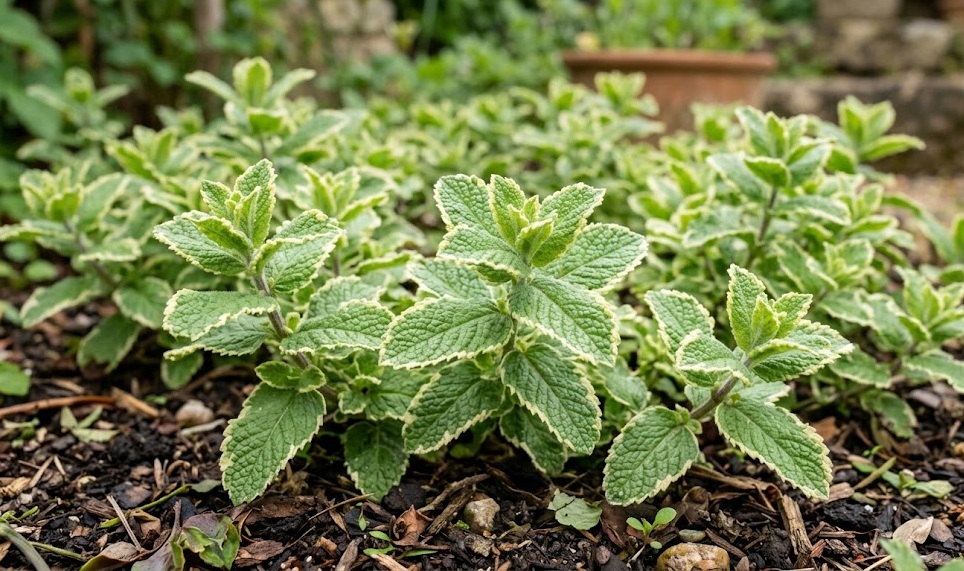

Growing pineapple mint effectively requires a nuanced understanding of its specific botanical needs and environmental preferences to ensure the plant thrives throughout the season. This variegated herb is not only appreciated for its unique fruit-like aroma but also for its striking cream-edged foliage which adds a distinct visual layer to any garden. Maintaining the health of this plant involves monitoring its spread while providing the right balance of moisture and nutrients without overcomplicating the process. Professional gardeners often focus on the subtle signals the plant provides to adjust care routines and maximize the aromatic oils stored within the leaves.
The structural integrity of pineapple mint is largely dependent on the stability of its growing environment and the consistency of its maintenance schedule. Unlike some more aggressive mint varieties, this specific cultivar tends to grow a bit more slowly, which allows for more precise control over its placement. You should observe the leaf color carefully, as the white margins can easily scorch if the environmental stress becomes too high during the peak of summer. A successful care plan integrates observation with proactive management to prevent the plant from becoming leggy or losing its characteristic variegation.
Effective care also means understanding the life cycle of the plant from its initial spring awakening to its late summer flowering phase. While the flowers are attractive to pollinators, they can sometimes sap the energy away from the foliage which is the primary interest for most herb enthusiasts. You might choose to remove the flower spikes early to focus the plant’s resources on producing lush, variegated leaves that maintain their scent. This approach ensures that the plant remains compact and bushy rather than becoming tall and sparse as the season progresses.
Finally, the long-term success of pineapple mint in your collection depends on your ability to adapt to changing weather patterns and soil conditions. It is a resilient herb, but it does best when it is not forced to compete too heavily with surrounding weeds or more dominant plant species. Keeping the area around the base clear and ensuring good air circulation will prevent many of the common issues associated with mint cultivation. By treating the plant as a specialized ornamental herb rather than a common weed, you will reap the rewards of its unique sensory properties.
Establishing the ideal environment
Creating the right atmosphere for this herb starts with understanding that it prefers a cooler, more temperate setting compared to Mediterranean herbs like rosemary. The soil should be consistently moist but never waterlogged, as stagnant water can lead to root issues that are difficult to reverse. You should aim for a location that provides a respite from the most intense afternoon heat to preserve the delicate variegation of the leaves. High humidity can be beneficial, but it must be coupled with excellent air flow to prevent any moisture-related foliage problems.
More articles on this topic
The physical space around the plant also plays a critical role in its overall development and ease of maintenance. If you are planting it in the ground, consider using a barrier or a large sunken container to keep the runners from invading other parts of your garden bed. This containment strategy allows you to enjoy the plant’s beauty without the constant worry of it taking over neighboring perennials or vegetables. It also makes it much easier to provide targeted care, such as specific soil amendments or localized watering, without affecting other plants.
Soil quality is another pillar of successful care, and you should focus on a blend that is rich in organic matter and has a slightly acidic to neutral pH. Incorporating well-rotted compost into the planting site provides a steady release of nutrients and improves the soil’s ability to retain moisture during dry spells. You should avoid heavy clay soils that compact easily, as the delicate roots of the pineapple mint need space to breathe and expand. If your garden soil is naturally heavy, amending it with perlite or coarse sand can significantly improve the drainage and aeration.
Lastly, you should consider the impact of wind and physical exposure on the plant’s soft, fuzzy leaves. Because the foliage is relatively delicate, strong winds can cause physical damage or lead to rapid desiccation of the variegated edges. Placing the plant near a fence, a low wall, or among sturdier companion plants can provide a necessary windbreak that maintains the plant’s aesthetic appeal. This level of environmental tailoring ensures that the mint remains a focal point of health and vitality throughout the growing season.
Managing growth and vigor
Controlling the growth rate of pineapple mint is essential to keep it looking its best and to ensure it doesn’t become a nuisance in the garden. While it is less invasive than common peppermint, it still spreads via underground runners that can quickly colonize open soil. You should regularly check the perimeter of the plant and pull up any runners that are moving beyond their designated area. This proactive approach keeps the plant’s energy focused on the main clump and prevents it from becoming thin and scattered across a wide space.
More articles on this topic
The height of the plant should also be managed to encourage a dense, carpet-like appearance rather than a tall, spindly one. Regular harvesting of the tips not only provides you with fresh herbs but also acts as a form of pruning that stimulates lateral branching. You will notice that the plant becomes much fuller and more visually appealing when it is frequently pinched back during the active growing months. This technique is particularly important for variegated varieties, as it keeps the newest, most colorful leaves at the forefront of the plant’s display.
During the middle of the summer, you might notice that some stems start to lose their variegation and return to a solid green color. These “reversions” are common in variegated plants and should be removed immediately from the base to prevent them from taking over. Solid green stems are often more vigorous than variegated ones and can eventually outcompete the desired colorful foliage if left unchecked. By staying vigilant and removing these stems, you preserve the unique look of the cultivar and maintain its ornamental value.
Monitoring the overall density of the plant is also important for maintaining long-term health and preventing internal die-back. If the center of the mint clump becomes too crowded, air cannot circulate properly, and the lower leaves may begin to yellow and drop. Every few years, you should consider lifting and dividing the plant to refresh the root system and provide more space for new growth. This process of rejuvenation ensures that the plant remains vigorous and continues to produce the high-quality, aromatic foliage that you expect.
Integration into garden design
Pineapple mint serves as an excellent groundcover or edging plant when used correctly within a professional landscape design. Its light-colored leaves provide a fantastic contrast against darker foliage or deep-colored mulches, making it a valuable tool for brightening up shaded corners. You can use it to soften the edges of stone paths or to fill in gaps between larger, structural shrubs where its scent can be enjoyed as people walk by. The key is to place it where its fragrance and visual texture can be appreciated without it being overwhelmed by larger neighbors.
In a dedicated herb garden, this variety acts as a bridge between the more traditional culinary herbs and the purely ornamental species. It pairs beautifully with other moisture-loving herbs like parsley or chives, creating a lush and productive area that is easy to manage. You should avoid planting it next to drought-tolerant herbs like lavender or thyme, as their conflicting water needs will make it difficult to keep both healthy. Grouping plants with similar cultural requirements is a fundamental principle of efficient gardening that applies perfectly to mint cultivation.
If you prefer container gardening, pineapple mint is a perfect candidate for mixed planters or individual pots on a patio. The cascading habit of the stems allows the plant to spill over the sides of containers, creating a “thriller, filler, spiller” effect that is very popular in floral design. When grown in pots, you have total control over its spread, and you can easily move it to different locations to take advantage of shifting light patterns. This flexibility makes it a favorite for those with limited space or for those who want to keep their herbs close to the kitchen.
When designing with this plant, think about the sensory experience it provides beyond just its visual appearance. The scent of pineapple and mint is released whenever the leaves are touched or brushed against, making it a great choice for “sensory gardens.” Placing it near seating areas or along frequently used walkways ensures that its refreshing aroma is a constant presence in the outdoor living space. This thoughtful placement elevates the plant from a simple herb to a functional and atmospheric component of the entire garden environment.
Seasonal maintenance routines
As spring arrives, your primary focus should be on clearing away any debris from the previous year and encouraging new growth. You should look for the first signs of green shoots emerging from the soil and provide a light application of organic compost to fuel the initial growth spurt. This is also the best time to check the structural integrity of any containment barriers you have installed to ensure they are still effective. A clean start in the spring sets the stage for a productive season and helps you identify any winter damage that needs addressing.
During the peak of summer, the maintenance routine shifts toward moisture management and protection from extreme environmental factors. You will need to monitor the soil moisture daily, especially during heatwaves, to prevent the leaves from wilting or losing their vibrant color. Applying a layer of organic mulch around the base of the plant can help regulate soil temperature and reduce evaporation, which is crucial for variegated plants. You should also continue to pinch back the growing tips to keep the plant bushy and prevent it from flowering prematurely.
In the autumn, the growth of the pineapple mint will naturally begin to slow down as the temperatures drop and the days shorten. You should reduce the frequency of watering and stop any fertilization to allow the plant to prepare for its dormant period. This is a good time to take cuttings if you want to overwinter small plants indoors or to share with other gardening enthusiasts. Removing any dead or diseased foliage at this stage prevents pathogens from overwintering in the soil and attacking the plant the following spring.
The final phase of the seasonal cycle involves protecting the root system from the harsh conditions of winter. While pineapple mint is generally hardy, a particularly severe frost or prolonged freezing of the soil can damage the crown of the plant. In colder climates, providing a thick layer of straw or leaf mulch can offer the necessary insulation to ensure the plant survives until the spring. By following this seasonal rhythm, you provide the plant with a consistent level of care that respects its natural biological processes and ensures its longevity.
Advanced care for variegated foliage
The white and green patterns on pineapple mint leaves are the result of a genetic trait that requires specific care to maintain. Because the white areas lack chlorophyll, they cannot produce energy for the plant and are much more sensitive to environmental damage. You must find the “sweet spot” of light where there is enough sun to keep the green parts productive but not so much that the white parts burn. Professional growers often use light shade cloth or the natural canopy of taller plants to filter the sunlight during the hottest part of the day.
Nutritional balance is also critical for maintaining the intensity of the variegation and the overall health of the leaves. High-nitrogen fertilizers can sometimes cause the plant to produce more chlorophyll, which might lead to a loss of the white margins as the leaves turn more solid green. It is better to use a balanced, slow-release organic fertilizer that provides a steady stream of nutrients without forcing unnatural growth. This approach supports the plant’s natural development and helps preserve the delicate color balance that makes this variety so desirable.
Watering technique also plays a role in leaf health, specifically regarding the prevention of water spots or foliar diseases. It is always best to water the plant at the base, keeping the leaves as dry as possible to avoid attracting fungal spores. If the foliage does get wet, ensure there is enough air movement for it to dry quickly before the sun becomes too intense. Water droplets on variegated leaves can act like tiny magnifying glasses, leading to localized burns that ruin the aesthetic appearance of the plant.
Finally, you should be aware that the intensity of the variegation can vary depending on the age of the leaf and the time of year. Younger leaves often show the most vivid white edges, while older leaves may gradually become more green as they mature. This is a natural process, but you can keep the plant looking fresh by regularly harvesting the older stems to make room for new growth. Understanding these nuances allows you to appreciate the plant’s changing appearance while maintaining its professional-grade quality in your garden.
Long term health and plant vitality
Maintaining the vitality of pineapple mint over several years requires a commitment to soil health and periodic plant rejuvenation. Over time, the soil can become depleted of essential micronutrients, and the root system may become congested, leading to smaller leaves and weaker stems. To prevent this, you should supplement the soil with high-quality compost or seaweed extracts that provide a broad spectrum of minerals. This long-term nutritional strategy ensures that the plant has everything it needs to sustain its aromatic and visual properties year after year.
Division is perhaps the most effective way to restore vigor to an aging mint plant that has lost its luster. Every three to four years, you should dig up the entire clump in early spring and separate it into smaller, healthier sections. Discard the woody, older center of the plant and replant the vigorous outer sections into fresh, well-prepared soil. This practice not only provides you with more plants but also “restarts” the growth cycle, resulting in much healthier and more productive foliage.
You should also keep a close eye on the general health of the garden ecosystem surrounding your mint. A healthy population of beneficial insects, such as ladybugs and lacewings, will help keep potential pests in check naturally. Avoiding the use of broad-spectrum pesticides is vital, as these chemicals can harm the very insects that protect your herbs. A balanced garden environment reduces the stress on individual plants and allows them to thrive with minimal intervention from the gardener.
Finally, document your observations throughout the growing seasons to identify patterns in how your specific microclimate affects the plant. Note which areas of the garden produced the best foliage and which maintenance tasks seemed to yield the most significant results. This professional approach to gardening transforms a hobby into a specialized skill set, allowing you to master the care of unique cultivars. With consistent attention and a deep understanding of its needs, pineapple mint will remain a highlight of your collection for many seasons to come.
Maximizing the aromatic and culinary potential
To get the most out of your pineapple mint, the timing and method of harvesting are of paramount importance. The essential oils are most concentrated in the leaves just before the plant begins to flower and early in the morning after the dew has dried. When harvesting, use sharp, clean shears to make clean cuts, which reduces stress on the plant and prevents the entry of diseases. Regular harvesting encourages the plant to stay productive and ensures you always have a supply of high-quality, fragrant leaves.
Once harvested, the leaves should be handled gently to avoid bruising, which can cause the aromatic oils to oxidize and lose their potency. If you are using them for culinary purposes, such as in teas or desserts, it is best to use them fresh or to dry them slowly in a cool, dark place. The pineapple scent is particularly volatile, so excessive heat during drying can significantly reduce the unique fruit-like character of the herb. Professional herb handlers often use specialized drying racks to ensure even air flow and optimal preservation of the scent profile.
You can also experiment with different ways to use the plant in your kitchen or home to fully appreciate its versatility. The variegated leaves make a stunning garnish for summer drinks, fruit salads, or even sophisticated pastry decorations. Beyond its culinary uses, the plant can be used to create aromatic sachets or as a base for natural potpourri that brings a fresh, tropical scent indoors. Exploring these various applications deepens your connection with the plant and justifies the care and attention you invest in its cultivation.
Ultimately, the care of pineapple mint is a rewarding endeavor that combines horticultural skill with a keen appreciation for sensory beauty. By following professional guidelines for environmental management, growth control, and seasonal care, you can maintain a plant that is both healthy and aesthetically pleasing. This herb represents the perfect marriage of form and function in the garden, providing visual interest, a delightful scent, and practical utility. Your commitment to expert-level care will ensure that this unique variety continues to thrive and inspire everyone who visits your garden.