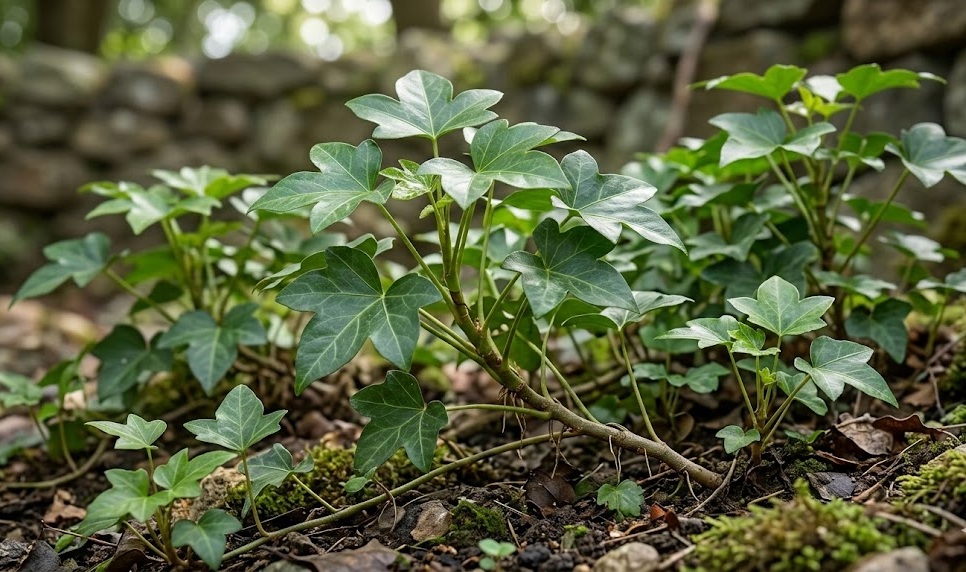

Correct watering and fertilization are the twin pillars of success when it comes to maintaining a thriving tree ivy in any indoor environment. This hybrid plant has specific needs that differ slightly from its parent species, requiring a more nuanced approach than many people expect. Finding the right balance ensures that the foliage remains deep green and the stems stay strong and resilient. It is often the consistency of these two tasks that determines whether a plant merely survives or truly flourishes under your care.
Watering is not just about the frequency; it is about understanding the moisture levels deep within the root zone. During the active growing months of spring and summer, the plant typically requires more frequent hydration to support new growth. However, it is vital to let the top two or three centimeters of soil dry out between watering sessions to prevent root issues. Overwatering is one of the most common mistakes, so always use your finger to check the soil moisture before reaching for the watering can.
The quality of the water you use can also have a subtle impact on the long-term health of your tree ivy. If your tap water is very hard or contains high levels of chlorine, the plant may eventually show signs of distress on the leaf tips. Using filtered water or letting tap water sit out overnight allows some of the chemicals to dissipate and brings the water to room temperature. Cold water can shock the roots, leading to temporary wilting or leaf drop, so lukewarm water is always the safest choice.
Fertilization provides the essential nutrients that container-bound plants cannot find on their own once the original soil is depleted. A balanced, water-soluble fertilizer applied during the growing season will keep the plant vigorous and help it produce those signature large leaves. However, more is not always better when it comes to plant food, as an excess of salts can build up in the soil and damage the roots. Following a regular, moderate feeding schedule is much more beneficial than occasional heavy applications.
Determining the ideal watering frequency
The frequency of watering depends on several factors, including the size of the pot, the ambient temperature, and the amount of light the plant receives. In a bright, warm room, the plant will transpire more quickly and will therefore need water more often than a plant in a cool, shady corner. During the peak of summer, you might find yourself watering once or twice a week to keep the soil consistently moist. Conversely, in the dark winter months, the plant may only need a drink once every two or three weeks.
More articles on this topic
One of the best ways to determine if your plant needs water is to observe the weight of the pot. A pot full of moist soil is significantly heavier than one that has dried out, and with practice, you can tell just by lifting it. You can also watch the leaves for subtle cues; a slight loss of turgidity or a duller appearance can indicate the onset of thirst. However, do not wait until the plant is visibly wilting, as this causes unnecessary stress and can lead to the loss of lower leaves.
Environmental humidity also plays a role in how much water the plant uses from the soil. In a very dry room, moisture evaporates from both the leaves and the soil surface much faster, increasing the demand for hydration. If you use a humidifier, you may find that you don’t need to water quite as often as you would otherwise. Always adjust your routine based on the current conditions rather than following a strict calendar schedule, as your home’s environment is constantly changing.
Drainage is the ultimate safety net that protects your tree ivy from the dangers of accidental overwatering. Always ensure that your pot has functional drainage holes and that the water can flow out freely into a saucer or cachepot. Never let the plant sit in a pool of standing water for more than thirty minutes, as this can quickly lead to root rot. If you notice water collecting in the bottom of a decorative container, be sure to tip it out to keep the roots healthy and oxygenated.
Nutrient requirements and fertilizer types
Tree ivy is not a particularly heavy feeder, but it does require a steady supply of nitrogen, phosphorus, and potassium to maintain its evergreen foliage. A balanced fertilizer with an NPK ratio like 10-10-10 or 20-20-20 is generally suitable for year-round maintenance during the growing season. Nitrogen is especially important for this plant, as it is responsible for the lush, green growth of the leaves. If the new leaves are coming in small or pale, it may be a sign that the plant is craving more nutrients.
More articles on this topic
Liquid fertilizers are often the most convenient choice for indoor gardeners because they allow for precise dosing and even distribution. You can easily adjust the concentration by adding more or less water, making it simple to provide a lighter feed if the plant seems to be growing slowly. Always apply liquid fertilizer to soil that is already slightly moist to prevent the concentrated salts from burning the delicate root hairs. This practice ensures that the nutrients are absorbed efficiently and safely by the plant.
Slow-release granules are another option that can be mixed into the top layer of soil at the beginning of the spring. These provide a constant, low-level supply of nutrients over several months as they dissolve with each watering. This “set it and forget it” approach is excellent for busy gardeners, though it offers less control than liquid feeding. If you choose granules, be sure to follow the package instructions carefully to avoid over-applying, which can be difficult to correct once the granules are in the soil.
Organic options, such as seaweed extract or fish emulsion, can also be used to provide a boost of micronutrients and beneficial microbes. While these can sometimes have a stronger odor, they are excellent for building long-term soil health and are generally very gentle on the plant. Many experts recommend alternating between a standard balanced fertilizer and an organic supplement to give the plant a wide spectrum of nutritional support. A well-fed plant is much more resistant to pests and diseases than one that is struggling with nutrient deficiencies.
Seasonal adjustments to feeding and watering
As the days shorten and the temperature drops in the autumn, the metabolic activity of the tree ivy naturally begins to slow down. During this time, it is crucial to reduce both the amount of water and the frequency of fertilizer applications. The plant simply cannot process the same volume of resources as it does in the summer, and forcing it to do so can lead to serious health problems. Most gardeners stop fertilizing altogether from late October until the first signs of spring growth appear in March.
In the winter, the goal is to keep the plant in a state of healthy dormancy rather than pushing for new growth. The soil should be allowed to dry out even further than usual, as cool, wet soil is the perfect environment for root-rotting fungi. If you are keeping the plant in a very cool room, it will need surprisingly little water to stay hydrated. Monitoring the plant’s condition weekly is still necessary, but you will likely find that your watering can stays on the shelf for much longer periods.
When spring arrives and you notice the first tiny new leaves emerging at the tips of the stems, it is time to slowly ramp up your care routine. Start by giving the plant a thorough watering to rehydrate the entire root ball and wash away any accumulated salts from the winter. Once the plant is actively growing, you can reintroduce a regular fertilization schedule, starting with a half-strength dose. This gradual transition helps the plant move out of dormancy without the shock of a sudden influx of nutrients and water.
Mid-summer care requires another set of adjustments, especially if the weather becomes exceptionally hot and dry. During a heatwave, you may need to check the soil every day, as the plant can lose moisture very rapidly through its large leaves. If the plant is struggling with the heat, it is sometimes better to hold off on fertilizing until the temperatures normalize. Stressing a plant with high-salt fertilizers during a period of environmental strain can lead to leaf burn and other physiological issues.
Identifying and correcting feeding issues
Learning to read the signs of improper feeding is an essential skill for anyone who wants to maintain a beautiful tree ivy. If you notice the tips and edges of the leaves turning brown and crispy, it could be a sign of “fertilizer burn” caused by an accumulation of salts. This often happens if the plant is fed too frequently or if the soil is never flushed with plain water to remove excess minerals. To fix this, thoroughly leach the soil by running a large amount of clear water through the pot and then skipping the next few feedings.
Yellowing of the older, lower leaves can sometimes indicate a nitrogen deficiency, as the plant moves mobile nutrients to the new growth at the top. If the entire plant looks pale and has stopped growing during the spring or summer, it is likely a sign that the soil is exhausted. In this case, a balanced liquid fertilizer should show results within a few weeks as the plant absorbs the much-needed minerals. Regular feeding prevents these issues from occurring in the first place, keeping the plant looking its best at all times.
Over-fertilization can also manifest as unnaturally dark green leaves that are prone to curling or becoming brittle. In some cases, too much nitrogen can lead to rapid, weak growth that is highly attractive to pests like aphids or scale insects. If you suspect you have been over-feeding, the best course of action is to stop all fertilization for at least a month and monitor the new growth. Remember that in the world of indoor plants, it is always easier to add more nutrients than it is to remove them.
Finally, keep an eye out for signs of micronutrient deficiencies, which can cause unusual patterns like yellowing between the leaf veins. This is often related to the soil pH, as certain minerals become “locked” and unavailable to the plant if the soil is too alkaline. Using a fertilizer that includes trace elements like iron, manganese, and zinc can help prevent these specific issues. By being observant and responsive to the plant’s visual cues, you can maintain the perfect nutritional balance for your tree ivy.