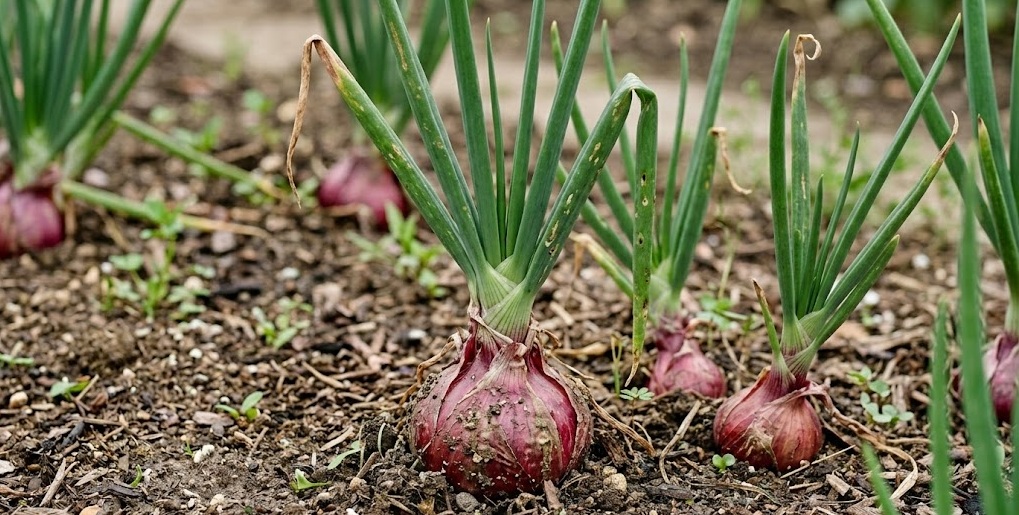

Onions are photoperiodic plants, which means their growth and development are directly controlled by the number of hours of daylight they receive. This unique biological trait makes light management one of the most critical factors in determining the success of your harvest. If the plants do not receive the correct amount of light for their specific variety, they may never form a bulb at all. Professional gardeners carefully select their cultivars based on the latitude and light conditions of their specific location.
There are three main categories of onions based on their light requirements: short-day, intermediate-day, and long-day varieties. Short-day onions start to form bulbs when the days are about ten to twelve hours long, making them ideal for southern regions. Intermediate-day onions require twelve to fourteen hours of light, while long-day types need fourteen to sixteen hours. We must align our choice of variety with the natural light cycles of our geographical area.
If you plant a long-day onion in a southern climate where the days never reach sixteen hours, the plant will simply grow leaves and never produce a bulb. Conversely, a short-day onion planted in the north will bulb far too early, resulting in tiny, unusable onions. Understanding this relationship between light and genetics is a fundamental part of professional horticulture. It is not enough to have good soil and water; the sun must also do its part.
In addition to the duration of light, the intensity of the sun also plays a major role in the plant’s overall health. Onions need full solar exposure for the majority of the day to produce the sugars needed for bulb expansion through photosynthesis. Any significant shade from nearby trees, buildings, or taller crops will result in weak, leggy plants and smaller harvests. Selecting a sunny, open location is the first step toward a successful and professional onion patch.
The role of photoperiodism in development
Photoperiodism is a survival mechanism that allows the onion plant to time its reproductive cycle with the most favorable environmental conditions. The plant uses specialized pigments in its leaves to measure the length of the dark period each night. When the night becomes short enough, a chemical signal is sent from the leaves to the base of the plant to trigger bulbing. This precise internal clock ensures that the plant does not waste energy on a bulb until the conditions are just right.
More articles on this topic
During the vegetative phase, the plant uses the daylight to build as many leaves as possible before the bulbing trigger occurs. Each leaf acts as a solar panel, collecting energy and storing it in the form of complex carbohydrates. The more solar energy the plant can capture during this early stage, the larger the eventual onion bulb will be. Professional growers focus on maximizing leaf area during the months leading up to the summer solstice.
Once the critical day length is reached, the plant stops producing new leaves and begins to move all its stored energy into the bulb. This transition is a one-way process, and you cannot reverse it once it has started in earnest. This is why it is so important to have healthy, large plants before the light conditions trigger the shift. A professional approach involves a deep understanding of the local sunrise and sunset times throughout the growing season.
Light quality also matters, as onions respond differently to various parts of the solar spectrum. Blue light is particularly important for strong leaf development, while red light can influence the timing of the bulbing response. While we cannot control the sun’s spectrum, we can ensure our plants are not competing for filtered light through a canopy of taller plants. Pure, direct sunlight provides the full spectrum that the Allium family needs to thrive.
Maximizing solar exposure in the garden
To get the most out of the available sunlight, you should orient your onion rows in a north-south direction. This layout ensures that both sides of the plants receive an equal amount of solar exposure as the sun moves across the sky. If rows are oriented east-west, the plants on the southern side may shade their neighbors to the north, especially as they grow taller. A professional garden layout is a simple but effective way to boost your overall productivity.
More articles on this topic
You should also be mindful of the spacing between individual plants to prevent them from shading each other’s lower leaves. While it might be tempting to pack more plants into a small space, this often leads to a decrease in light penetration and air circulation. Each onion needs its own “solar territory” where it can capture the sun’s rays without interference from its neighbors. Proper spacing is a core principle of high-efficiency and professional vegetable production.
Reflective mulches, such as white plastic or specialized foils, can be used to bounce extra light back up into the plant canopy. This can be particularly beneficial in early spring when the sun is lower in the sky and the light intensity is not yet at its peak. Some studies have shown that this extra light can lead to faster growth and slightly larger bulbs at harvest time. Using these modern tools is part of an advanced and professional gardening strategy.
Weeds must be kept under control not just for nutrient reasons, but because they can quickly overshadow young onion plants. A tall weed can act like a giant umbrella, stealing the sunlight that the onion needs to build its energy reserves. Even a few days of significant shading during a critical growth phase can have a lasting negative impact on the crop. A clean, weed-free bed is essential for maximizing the solar potential of your garden.
Shade avoidance and placement strategy
When planning your garden layout, you should always place your onion beds on the southern side of any taller crops like corn or pole beans. This prevents the taller plants from casting a shadow over the onions as the sun moves throughout the day. You must think about the entire garden as a three-dimensional space where light is the most valuable resource. Professional design takes into account the height and growth habits of all the plants in the system.
If you have a garden that is partially shaded by trees or buildings, you should reserve the sunniest spots for your Allium crops. Onions are much less shade-tolerant than leafy greens like lettuce or spinach, which can actually benefit from some afternoon relief. If an onion receives less than six to eight hours of direct sun, it will likely remain small and underdeveloped. Knowing the “light budget” of your garden plot is a vital part of professional site assessment.
In some cases, you can use the light requirements of different varieties to your advantage to stagger your harvest. By planting a mix of intermediate and long-day onions, you can ensure that they mature at slightly different times throughout the summer. This prevents you from having to harvest and cure the entire crop all at once, making the process more manageable. Strategic variety selection is a sophisticated way to manage your garden’s output.
If you notice your onions are becoming pale or leaning heavily in one direction, they may be struggling for more light. This “reaching” behavior is a clear sign that the plants are not receiving enough solar energy to support healthy growth. You should evaluate the surrounding environment and see if there are any obstructions that can be removed or pruned. A professional gardener is always looking for ways to optimize the environment for their crops.