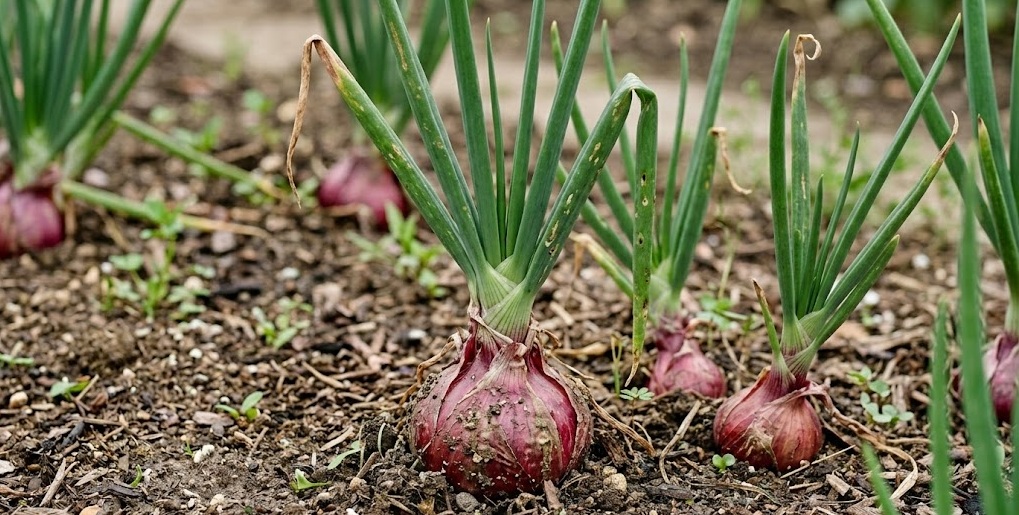

Starting your onion patch requires a clear decision on whether you want to use seeds, sets, or transplants. Each method has its own set of advantages and challenges depending on your local climate and goals. Many professional growers prefer sets because they offer a head start and are more resistant to early-season stressors. However, starting from seed allows you to choose from a much wider variety of specialized cultivars.
Sets are essentially small, immature bulbs that were grown the previous year and then kept dormant. When you plant them in the spring, they quickly resume growth and establish a strong root system. This method is generally more reliable for beginners or those with a short growing season. You just need to make sure that the sets are firm and free from any signs of disease.
Seeds offer the most economical way to grow a large quantity of onions if you have the patience. You can start them indoors several weeks before the last frost to give them a significant advantage. This method requires more attention to moisture and light during the early stages of development. However, the satisfaction of growing a plant from a tiny seed is unparalleled for many enthusiasts.
Transplants are young plants that have already been started by a commercial greenhouse or a dedicated nursery. They arrive ready to go into the ground, which saves you the trouble of managing indoor seedlings. This is a middle-ground option that combines the ease of sets with the variety of seeds. Whichever method you choose, consistency in your planting technique is the key to success.
Selecting seed versus sets
When you choose seeds, you gain access to heirloom varieties that are often not available as sets. These specialized types might offer better flavor, longer storage potential, or unique colors for your kitchen. Seeds are also significantly cheaper when you are planning to plant a very large area. You must be prepared for a longer growing period and more careful weeding during the first few weeks.
More articles on this topic
Sets are favored for their hardiness and their ability to withstand fluctuating spring temperatures. They are less likely to be eaten by birds or washed away by heavy spring rains compared to tiny seeds. If you live in an area with a very short window of favorable weather, sets are almost always the better choice. They provide a level of insurance against the unpredictability of nature.
The size of the sets you choose can actually influence the final quality of your onion crop. You should aim for sets that are about the size of a marble for the best balance of growth and stability. Larger sets have a tendency to bolt, or produce a flower stalk, which ruins the quality of the bulb. Professional gardeners often sort their sets by size before they begin the planting process.
Regardless of your choice, sourcing your starting material from a reputable supplier is vital. You want to ensure that your seeds have a high germination rate and that your sets are certified disease-free. Saving money on low-quality planting material usually results in more work and a smaller harvest. Investing in quality at the beginning of the season is a smart management decision.
Optimal timing and soil temperature
The timing of your planting can make or break the entire success of your onion season. Onions are cool-season crops that can be put into the ground as soon as the soil can be worked. In many regions, this means getting your sets or seeds in the dirt while the air is still crisp. Early planting allows the roots to establish themselves before the intense heat of summer arrives.
More articles on this topic
Soil temperature is a critical indicator that you should monitor with a simple garden thermometer. Onions will begin to grow once the soil reaches about five degrees Celsius, though they prefer it a bit warmer. If you plant too early into freezing mud, the seeds may rot before they have a chance to germinate. Patience is required to wait for that perfect window where the soil is workable but not yet hot.
In southern climates, onions are often planted in the autumn to grow through the mild winter months. This allows them to take advantage of the natural rainfall and the increasing day length in the early spring. Northern gardeners must wait for the spring thaw and focus on fast-maturing varieties. Aligning your schedule with your local hardiness zone is a fundamental aspect of professional gardening.
You should also keep an eye on the long-term weather forecast for any late-season cold snaps. While onions are tough, a sudden deep freeze can still damage the tender new growth of young transplants. Having some frost blankets ready can save your crop during an unexpected dip in temperature. Successful timing is a mixture of scientific observation and local horticultural knowledge.
Sowing depth and spacing techniques
How deep you plant your onions will significantly impact their ability to emerge and grow properly. For seeds, a depth of about one centimeter is usually sufficient to protect them from drying out. If you plant them too deep, the tiny sprouts may run out of energy before they reach the surface. Firming the soil gently over the seeds ensures good contact and improves the germination rate.
Sets should be pushed into the soil until only the very tip of the bulb is showing above the surface. This keeps the bulb stable while allowing the green shoot to emerge quickly into the light. If the soil is very loose, you might need to firm it down to prevent the bulbs from being pushed out by their own roots. Proper depth is essential for preventing the bulbs from drying out or being exposed to pests.
Spacing is another vital consideration that determines the eventual size of your onion bulbs. For large storage onions, you should aim for a distance of about ten to fifteen centimeters between plants. If you plant them too close together, they will compete for light and nutrients, resulting in smaller onions. Leave enough room between the rows so that you can easily walk and weed without damaging the crop.
If you are growing green onions or scallions, you can afford to plant them much more densely. These are harvested before they form large bulbs, so they do not need as much individual space to thrive. Strategic spacing allows you to maximize your garden’s productivity while ensuring each plant has what it needs. Professional layouts often use a grid or staggered pattern to optimize the use of available sunlight.
Understanding vegetative propagation
While most people grow onions from seeds or sets, vegetative propagation is an interesting alternative for some varieties. Certain types of onions, like Egyptian walking onions, produce small bulbs at the top of their stalks. These “bulbils” can be harvested and planted to grow new plants that are clones of the parent. This is a fascinating way to expand your garden without buying new seeds every single year.
Potato onions or multiplier onions are another example of a variety that naturally propagates itself. Instead of forming one large bulb, they produce a cluster of several smaller bulbs that can be separated. You can save some of these small bulbs to plant in the next season, creating a self-sustaining cycle. This traditional method of gardening is making a comeback among those interested in sustainability.
The advantage of vegetative propagation is that the new plants are already adapted to your specific garden conditions. They carry the genetic traits that allowed the parent plant to thrive in your soil and climate. However, you must be careful to only propagate from the healthiest and most vigorous plants in your patch. Disease can easily be passed from one generation to the next if you are not selective.
Storing your propagation material is just as important as the planting process itself. Small bulbs intended for planting must be kept cool and dry to prevent them from sprouting too early or rotting. Check them periodically throughout the winter to ensure they remain firm and healthy. Managing your own propagation cycle is a rewarding way to deepen your connection to the gardening process.