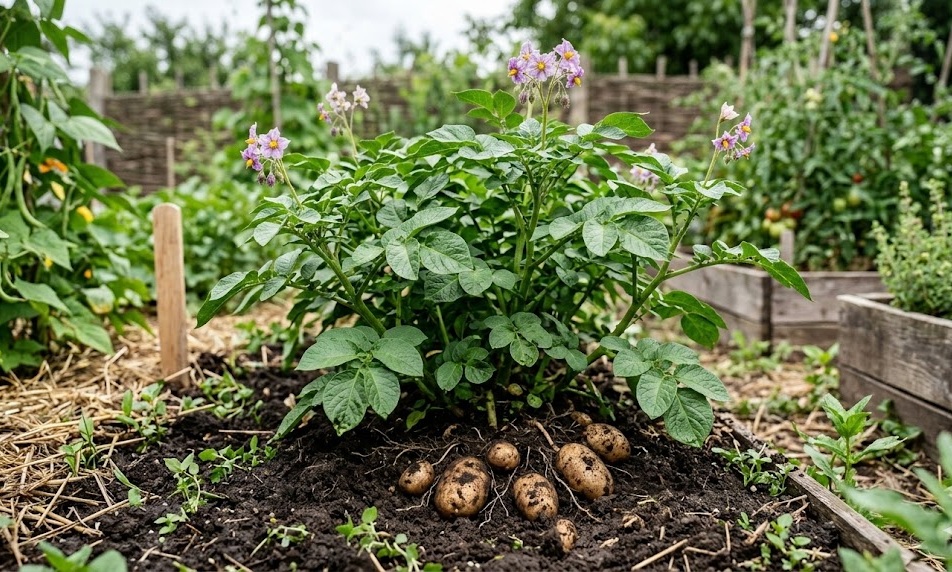

The successful propagation of potatoes begins with the careful selection of high-quality seed tubers and a deep understanding of the plant’s reproductive cycle. Unlike many other garden vegetables, potatoes are typically grown vegetatively from the tubers of the previous year’s harvest. This method ensures that the new plants are genetically identical to the parent, maintaining the specific characteristics of the chosen variety. You must prioritize health and vitality at this initial stage to guarantee a productive and disease-free growing season.
When selecting seed potatoes, you should always look for certified disease-free tubers from a reputable supplier. Using potatoes from the grocery store is generally discouraged because they are often treated with sprout inhibitors to extend their shelf life. These chemicals can lead to stunted growth or a complete failure to germinate once planted in the garden. Certified seed potatoes are specifically grown to be free from viruses and pathogens that could compromise your entire crop.
The size of the seed tuber is another important factor that influences the early vigor of the potato plant. Ideally, you should choose tubers that are roughly the size of a large hen’s egg for the best results. If you have larger tubers, you can cut them into smaller pieces, provided each piece contains at least two “eyes” or buds. Cutting should be done a few days before planting to allow the wounds to callous over and prevent rot in the soil.
Understanding the different categories of potatoes, such as first earlies, second earlies, and maincrops, is crucial for planning your planting schedule. Early varieties are usually smaller and can be harvested sooner, making them ideal for gardeners with limited space or shorter growing seasons. Maincrop varieties take longer to mature but produce larger tubers that are much better suited for long-term winter storage. Choosing the right variety for your specific needs is the first step toward a successful propagation project.
The technical process of chitting
Chitting is a professional term for pre-sprouting seed potatoes before they are placed in the ground to give them a head start. You should start this process about four to six weeks before your intended planting date to ensure strong growth. Place the tubers in a cool, bright area, such as a windowsill or a greenhouse, with the end containing the most eyes facing upward. Using egg cartons or specialized seed trays is an excellent way to keep the tubers upright and organized during this phase.
More articles on this topic
The light during chitting is essential because it encourages the development of short, sturdy, green sprouts rather than long, spindly white ones. White sprouts are very fragile and often break off during the planting process, which wastes the plant’s stored energy. Green sprouts are much more resilient and will begin growing immediately once they come into contact with the soil. You should aim for sprouts that are about two to three centimeters long before moving to the next stage.
Temperature control during the chitting process helps manage the speed of sprout development and prevents the tubers from shriveling. A consistent temperature of around ten to twelve degrees Celsius is usually ideal for most common potato varieties. If the room is too warm, the tubers may lose too much moisture, while a cold environment will stall the sprouting process entirely. Keeping a thermometer nearby allows you to make adjustments to the environment as needed for optimal results.
Chitting is particularly beneficial for early varieties because it can shorten the time to harvest by up to two weeks. This is a significant advantage in regions with unpredictable spring weather or a high risk of early summer blights. By the time you are ready to plant, the potato already has a functioning biological engine ready to take root. This professional technique ensures that your plants hit the ground running and make the most of the early growing season.
Optimal planting windows and soil conditions
Timing your planting correctly is a delicate balance between avoiding the last frost and taking advantage of the warming spring soil. You should wait until the soil temperature consistently reaches at least seven to eight degrees Celsius at a depth of ten centimeters. Planting in soil that is too cold and wet can lead to the tubers rotting before they have a chance to grow. A simple soil thermometer is an invaluable tool for any serious gardener looking to optimize their planting schedule.
More articles on this topic
The texture and preparation of the soil are just as important as the timing when it comes to successful propagation. You should aim for a deep, friable loam that has been enriched with organic matter but is free from large stones or heavy clay clumps. Well-drained soil is non-negotiable for potatoes, as standing water will quickly suffocate the developing root systems. Preparing the beds several weeks in advance allows the soil to settle and the added nutrients to become biologically available.
Crop rotation is a professional strategy that you must implement to maintain soil health and prevent the buildup of potato-specific pests. You should never plant potatoes in the same spot where they or their relatives, like tomatoes and peppers, grew in the previous three years. This practice breaks the lifecycle of many soil-borne diseases and ensures a more balanced nutrient profile for the new plants. A planned rotation is one of the most effective ways to ensure long-term success in a home or professional garden.
If you are planting in a region with heavy or poorly drained soil, consider using raised beds or even large containers for your potato crop. These methods provide much better control over the growing medium and ensure that excess water can drain away easily. Raised beds also warm up faster in the spring, allowing for an earlier planting date than traditional in-ground rows. Adapting your planting method to your local environmental conditions is a hallmark of an expert grower.
Depth and spacing protocols for maximum yield
The physical arrangement of your potato plants in the garden significantly impacts the eventual size and quality of the harvest. You should typically plant seed potatoes at a depth of about ten to fifteen centimeters, depending on the soil type. In lighter, sandier soils, a slightly deeper planting can help protect the tubers from drying out or being exposed to light. In heavier soils, a shallower depth prevents the sprouts from having to work too hard to reach the surface.
Spacing between individual plants should be around thirty to forty centimeters to allow for adequate leaf expansion and airflow. If you plant them too closely, the competition for light and nutrients will result in smaller tubers and a higher risk of disease. Proper spacing also makes the subsequent hilling process much easier, as you will have enough room to draw up soil from between the rows. Giving each plant its own defined space is essential for maintaining a high-level agricultural standard.
The distance between rows should be approximately sixty to seventy-five centimeters to accommodate the width of the mature potato canopy. This gap ensures that you can walk between the rows for weeding, monitoring, and harvesting without trampling the delicate foliage. Wide rows also improve sunlight penetration to the lower leaves, which boosts the overall photosynthetic capacity of the entire patch. A well-organized garden layout is both aesthetically pleasing and practically superior for plant health.
When placing the seed potatoes in the trench or hole, always ensure that the sprouts are pointing upward toward the sky. Gently firm the soil over the tubers to ensure good contact between the seed and the earth, but avoid packing it down too hard. You should leave the surface of the soil relatively loose to make it easier for the first shoots to break through. Marking the ends of each row with stakes helps you keep track of where the plants are before they emerge from the ground.