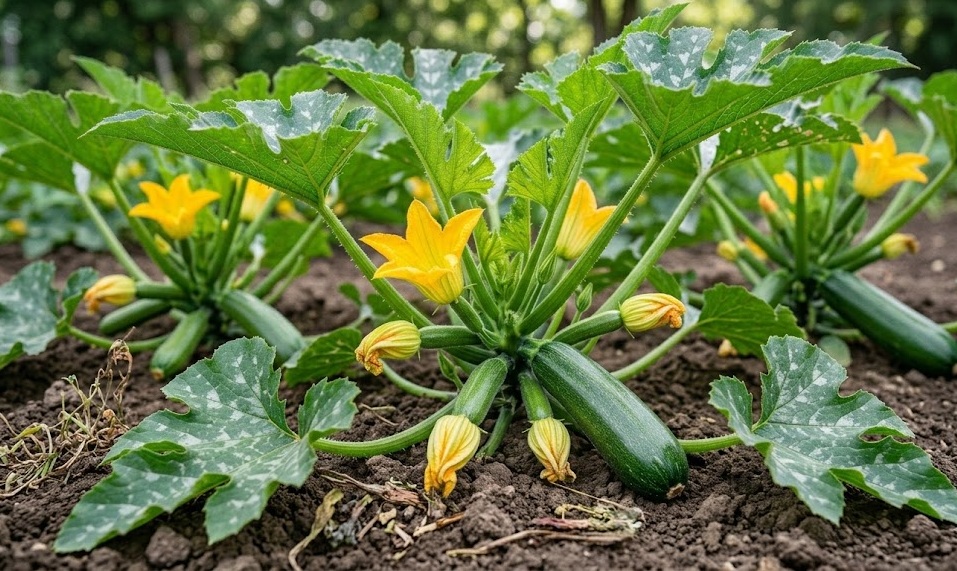

While zucchini is naturally an annual plant that completes its life cycle in a single season, professional gardeners use “overwintering” strategies to maximize the value of their crop. You must focus on extending the productive season as long as possible while preparing the garden and the harvested fruit for the cold months ahead. Professional overwintering involves a combination of late-season protection, careful storage of the harvest, and strategic preparation of the soil for the next year. By managing the transition into winter with precision, you can ensure that your gardening efforts continue to pay off long after the first frost.
The end of the zucchini season is marked by the arrival of the first freezing temperatures, which the tender plants cannot survive. You should monitor the local weather forecasts closely during the autumn to identify when the risk of frost becomes a reality for your garden. Professional growers often have a plan in place to provide temporary insulation that can keep the plants alive for a few extra weeks of production. These final harvests of the year are often the most appreciated as the variety of fresh garden produce begins to decline.
Overwintering also applies to the seeds you collect from your best zucchini plants, ensuring that you have a high-quality start for the following spring. You should select healthy, mature fruits that have been allowed to ripen fully on the vine for the specific purpose of seed saving. Properly processing and storing these seeds over the winter is a professional skill that maintains the genetic integrity and vitality of your favorite varieties. Seed saving connects the current season to the future, making the garden a continuous and self-sustaining cycle.
Finally, the professional concept of overwintering includes the care and preparation of the garden beds themselves during the dormant period. You should think of the winter months as a time of soil restoration and biological rest that sets the stage for future success. Protecting the soil surface from erosion and compaction during the winter rains and snow is a vital part of maintaining a high-quality growing environment. A well-prepared winter garden is the secret to a productive and healthy spring planting session.
Extending the harvest period
When the autumn air begins to cool, you can take professional steps to protect your zucchini from the first light frosts and keep them producing fruit. You should use heavy-duty row covers or thermal garden blankets to trap the warmth of the soil around the plants during the night. Removing the covers during the sunny part of the day allows the plants to continue photosynthesizing and avoids the buildup of excessive moisture. This extra effort can often extend your zucchini harvest by several weeks, providing fresh vegetables well into the late autumn.
More articles on this topic
Watering should be adjusted as the temperatures drop, as the plants will need less moisture and the soil will stay damp for longer periods. You should continue to monitor the soil moisture but avoid the deep, frequent waterings that are necessary during the peak heat of summer. Cold, wet soil can lead to root rot even in mature plants, so maintaining a professional balance is critical during the season’s transition. Keeping the root zone slightly on the dry side can actually help the plants tolerate lower temperatures more effectively.
Mulching is another professional tool for extending the life of your zucchini as winter approaches, acting as an insulating layer for the root system. You should add a fresh layer of organic mulch around the base of the plants to keep the soil temperature more stable during cold nights. This layer also prevents the frost from penetrating deeply into the ground, protecting the delicate root hairs from freezing damage. A well-mulched plant is much more resilient to the unpredictable weather patterns that often characterize the end of the growing season.
Harvesting the final fruits of the season should be done with care to ensure they are in the best possible condition for storage or immediate use. You should pick any remaining small zucchini before a hard freeze is predicted, as the frozen tissues will quickly turn to mush once they thaw. Even if the plants are still flowering, the chance of new fruit reaching a usable size decreases rapidly as the days grow shorter and colder. A professional end-of-season harvest ensures that you get the most value out of your garden before the winter dormancy begins.
Storing zucchini for winter use
Proper storage is the key to enjoying your zucchini harvest during the winter months when fresh garden produce is no longer available. You should select only the most perfect, blemish-free fruits for long-term storage, as any damage can lead to rapid spoilage and rot. Keeping the zucchini in a cool, dark, and well-ventilated space like a cellar or a specialized cold room is the most professional storage method. While zucchini do not last as long as hard-skinned winter squash, they can often remain fresh for several weeks under the right conditions.
More articles on this topic
Freezing is a highly effective professional technique for preserving the zucchini harvest for use in soups, stews, and baked goods throughout the winter. You should grate or slice the zucchini and then blanch them briefly in boiling water to stop the enzymatic processes that can affect flavor and texture. Packing the processed vegetables into airtight containers or vacuum-sealed bags prevents freezer burn and maintains the quality of the product for many months. This method allows you to capture the peak flavors of summer and store them safely in your kitchen.
Dehydrating zucchini is another professional preservation method that turns the surplus harvest into a shelf-stable and versatile ingredient. You should slice the zucchini into thin rounds and dry them in a food dehydrator or a low-temperature oven until they are crisp. These “zucchini chips” can be eaten as a healthy snack or rehydrated later for use in various recipes during the winter. Dehydration is a space-efficient way to store a large volume of produce without the need for refrigeration or freezing.
Canning and pickling offer a way to create professional-quality preserves that can sit on your pantry shelves all winter long. You should follow tested and safe recipes for zucchini pickles, relishes, or chutneys to ensure that the products are shelf-stable and free of harmful bacteria. The acidity of the pickling liquid preserves the texture of the zucchini and adds a bright flavor that complements many winter meals. Preserving your harvest in jars is a traditional and highly rewarding part of the professional gardener’s year-round food strategy.
Professional seed saving techniques
Saving seeds from your best zucchini plants is a professional way to ensure you have a reliable source of high-quality genetics for the next year. You should choose a fruit from a vigorous, disease-free plant and allow it to remain on the vine until it is very large and the skin has become hard and woody. At this stage, the seeds inside are fully mature and have developed the energy reserves they need to germinate successfully in the spring. This process requires patience, as the fruit will no longer be edible by the time the seeds are ready for collection.
Once the “seed squash” is harvested, you should cut it open and scoop out the mature seeds into a container of water. Rubbing the seeds between your fingers helps remove any clinging pulp, which could encourage the growth of mold during the drying process. You should only keep the seeds that sink to the bottom of the container, as these are the ones that are most likely to be viable and healthy. This professional selection process ensures that you are only storing the very best seeds for your future garden.
Drying the seeds thoroughly is the most critical part of the overwintering process to prevent them from rotting or losing their viability in storage. You should spread the cleaned seeds in a single layer on a screen or a piece of paper in a warm, dry place with good airflow. Avoid using direct heat or sunlight, which can damage the delicate internal structures of the seeds and reduce their germination rate. Once the seeds are brittle and snap when bent, they are ready to be moved into a long-term storage container.
Storing your collected zucchini seeds in a cool, dark, and dry environment over the winter will keep them viable for several years if necessary. You should use airtight glass jars or specialized seed envelopes and label them clearly with the variety and the date of collection. Adding a small packet of desiccant can help ensure that no moisture remains in the container to trigger premature germination or fungal growth. Professional seed saving is a meticulous process that rewards the gardener with a sense of continuity and self-reliance in their horticultural practice.
Winter soil and bed preparation
The way you treat your garden beds during the winter will have a direct impact on the success of your zucchini crop in the following year. You should avoid leaving the soil bare and exposed to the elements, as this can lead to the loss of topsoil and the leaching of essential nutrients. Planting a professional cover crop like winter rye or clover can help hold the soil in place while adding organic matter and nitrogen back into the ground. These “living mulches” also provide a habitat for beneficial soil organisms that remain active even during the colder months.
If you choose not to use cover crops, applying a thick layer of organic mulch or compost is a professional alternative for protecting the soil surface. You should use materials like shredded leaves, straw, or wood chips to create a barrier that prevents the soil from compacting under the weight of winter snow and rain. This layer also suppresses the germination of cool-season weeds that could otherwise take over your garden beds before spring. A well-mulched bed stays warmer and becomes active much earlier in the spring, giving you a head start on the next season.
Winter is also the professional time to perform maintenance on your garden infrastructure, such as repairing raised beds or cleaning irrigation systems. You should take the opportunity to sharpen your tools and organize your supplies while the garden is in its dormant phase. This preparation ensures that when the warm weather returns, you can focus all of your energy on planting and caring for your new zucchini crop. A professional gardener uses the quiet months of winter to plan and prepare for the busy growing season ahead.
Testing your soil during the late autumn or early winter allows you to make any necessary professional amendments well before the spring planting. You should take several samples from different parts of your zucchini beds and send them to a lab for a complete nutritional and pH analysis. Based on the results, you can add lime, sulfur, or slow-release organic fertilizers that will have time to integrate with the soil over the winter. This proactive approach to soil health is the secret to maintaining high levels of productivity in a professional garden year after year.