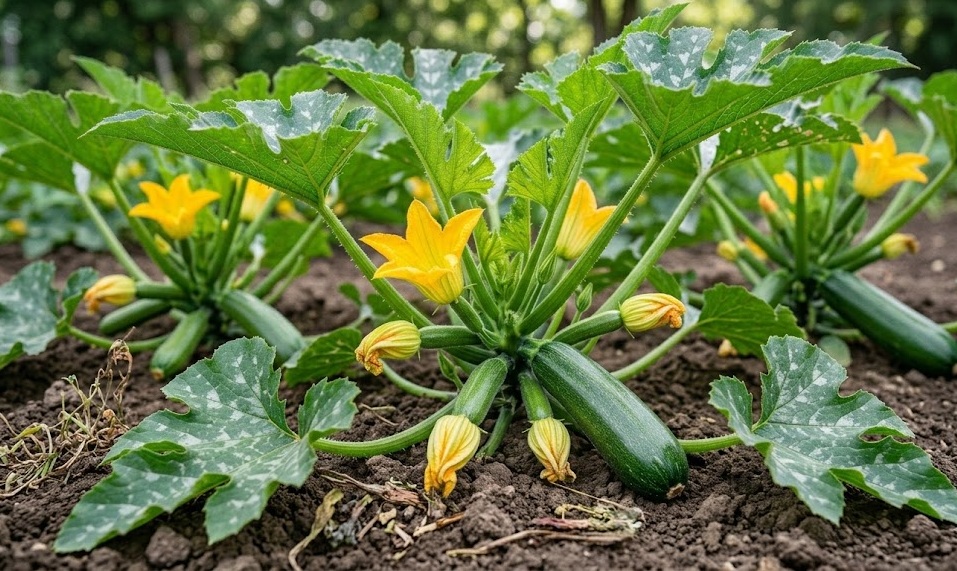

Successful zucchini cultivation requires a blend of consistent attention and professional horticultural knowledge to ensure a healthy yield. You should focus on providing a stable environment that mimics the plant’s natural subtropical origins while managing local soil conditions. Each stage of the plant’s development demands specific care routines that prevent stress and maximize the production of high-quality fruit. Professional gardeners understand that the foundation of a great harvest begins long before the first blossoms appear in the garden.
Maintaining the biological health of the plant involves regular monitoring of the surrounding ecosystem to identify potential issues early. You must observe the leaf color and stem strength daily to ensure the zucchini is receiving adequate nutrition and water. If the foliage appears wilted even after irrigation, it might indicate a drainage problem or a root-related physiological stress. A proactive approach to plant health reduces the need for intensive interventions later in the growing season.
The structure of the plant’s growth can be quite vigorous, requiring you to manage the garden space effectively to prevent overcrowding. Proper air circulation is vital for preventing the buildup of humidity around the dense foliage of the zucchini bush. You should ensure that each plant has enough room to expand its large leaves without competing with neighboring crops for light or airflow. When plants are spaced correctly, they are much less likely to develop common environmental issues like powdery mildew.
Professional zucchini care also involves managing the delicate balance between vegetative growth and reproductive success throughout the summer. You should prioritize the removal of older, yellowing leaves to redirect the plant’s energy toward the developing fruits and new flower buds. This practice not only keeps the plant looking tidy but also improves the overall efficiency of the plant’s metabolic processes. Regular maintenance ensures that the plant remains productive until the cooling temperatures of autumn signal the end of the season.
Soil management and health
The quality of the soil where you grow your zucchini will directly influence the nutritional value and size of the harvest. You should aim for a deep, loamy soil structure that allows the extensive root system to penetrate easily into the ground. Incorporating high-quality compost or aged organic matter every season helps maintain the necessary levels of microbial activity. Healthy soil acts as a living reservoir that provides both hydration and essential minerals during the peak growing periods.
More articles on this topic
Monitoring the pH levels of your garden beds is another professional step that ensures nutrients are actually available to the plants. Zucchini plants perform best in soil that is slightly acidic to neutral, typically ranging between six and seven on the pH scale. You can use simple testing kits to determine if you need to add lime or sulfur to adjust the acidity of the ground. When the chemical balance of the soil is correct, the zucchini can efficiently absorb phosphorus and potassium for fruit production.
Mulching the soil surface around your zucchini plants is a highly effective technique for professional moisture management and weed suppression. You should apply a thick layer of organic mulch like straw or wood chips to keep the root zone cool during the intense heat of July. This layer also prevents soil-borne pathogens from splashing onto the lower leaves during heavy rainstorms or irrigation cycles. A consistent mulch layer significantly reduces the time you need to spend on manual weeding and labor-intensive maintenance.
Compaction is a common enemy of zucchini roots, so you must avoid walking near the base of the plants once they are established. You should design your garden paths in a way that allows you to reach the fruit without stepping directly onto the growing area. Aerating the soil gently with a hand tool can help if you notice that the surface has become hard or impermeable to water. Well-oxygenated soil supports the beneficial bacteria that work in symbiosis with the zucchini’s root hairs to process nutrients.
Environmental temperature control
Zucchini plants are highly sensitive to temperature fluctuations and require warm soil to begin their rapid growth phase successfully. You should wait until the danger of frost has completely passed and the ground has warmed up before committing your plants to the garden. If a late cold snap is predicted, using horticultural fleece or protective cloches can provide the necessary insulation to protect the young tissues. Professional growers often use soil thermometers to ensure the temperature is consistently above fifteen degrees Celsius.
More articles on this topic
During the peak of summer, extreme heat can actually cause physiological stress that leads to the dropping of blossoms or deformed fruits. You should monitor the weather forecast and prepare to provide extra hydration or temporary shade if temperatures exceed thirty-five degrees Celsius. Intense heat can also reduce the activity of pollinators, which directly impacts the number of zucchini fruits that set on the plant. Keeping the plants hydrated helps them regulate their internal temperature through the natural process of transpiration.
Consistency in the microclimate surrounding your garden beds will result in a much more predictable and professional harvest. You should consider the placement of windbreaks if your garden is located in an area with strong, drying winds that can damage the large leaves. Wind stress can cause the stems to become brittle and may even flip the plants over if they are not properly supported. Protecting the plants from mechanical wind damage allows them to focus their energy on expanding their canopy and producing fruit.
In the late season, the cooling of the soil will naturally slow down the metabolic rate of the zucchini, leading to a decline in production. You should pay attention to the lengthening nights and declining temperatures as a signal to harvest any remaining small fruits. Cold soil can make the roots less efficient at taking up water, even if the ground remains relatively moist. Understanding these seasonal transitions allows you to manage the end of the crop lifecycle with professional precision and efficiency.
Pollination and fruit development
Since zucchini produces separate male and female flowers on the same plant, the role of insects in your garden is absolutely critical. You should encourage a diverse population of bees and other pollinators by planting nectar-rich flowers nearby to draw them toward your crop. Each female flower is only open for a few hours in the morning, making it essential that pollinators are active during this window. Without successful pollen transfer, the tiny fruits at the base of the female flowers will wither and fall off.
In cases where natural pollinator activity is low, you might need to step in and perform manual pollination to ensure a good harvest. You should identify the male flowers, which have thin stems and a single central stamen covered in yellow pollen grains. By gently brushing the pollen from a male flower onto the stigma of an open female flower, you can guarantee fruit set. This professional technique is particularly useful during periods of heavy rain or unusually cool mornings when insects are less active.
The development of the fruit is a rapid process that requires a constant supply of energy and water from the main plant. You should monitor the size of the zucchini daily, as they can grow several centimeters in a single twenty-four-hour period during the summer. Harvesting the fruit when it is young and tender ensures the best flavor and encourages the plant to continue producing more flowers. If you leave large fruits on the vine, the plant will stop making new flowers as it shifts its energy to seed production.
Sometimes you may notice that the ends of your zucchini are rotting while the fruit is still small, a condition often related to calcium availability. You should ensure that your watering schedule is consistent, as irregular moisture levels can disrupt the transport of calcium to the developing fruit tips. While this is often called blossom-end rot, it is usually a sign of environmental stress rather than a contagious disease or pest infestation. Professional management of irrigation and soil health is the best defense against these physiological development issues.
Nutrient requirements and timing
Zucchini is a heavy feeder that requires a steady supply of nitrogen, phosphorus, and potassium throughout its rapid life cycle. You should apply a balanced organic fertilizer during the initial planting phase to give the seedlings a strong start in the garden. As the plant begins to flower, shifting toward a formula higher in phosphorus can help support the development of healthy blossoms. Professional growers often use compost tea or liquid seaweed extracts to provide a quick boost of micronutrients during the peak season.
Excessive nitrogen application can be counterproductive because it often leads to lush green foliage at the expense of fruit production. You should look for signs of nutrient imbalance, such as leaves that are dark green but very few flowers appearing on the stems. If you notice this pattern, reducing the amount of nitrogen and increasing the available potassium can help redirect the plant’s resources. Achieving the right balance ensures that you get a sturdy plant that is also highly productive and efficient.
Timing your nutrient applications is just as important as the type of fertilizer you choose to use in your garden. You should avoid fertilizing during periods of extreme drought or heat stress, as the plant may not be able to process the nutrients correctly. Applying fertilizer to moist soil after a light rain or irrigation cycle allows the roots to absorb the minerals without the risk of burn. Professional schedules often involve small, frequent applications rather than one large dose that might wash away during heavy rain.
As the season progresses, the nutrient levels in the soil can become depleted by the high demands of the vigorous zucchini plants. You should consider a mid-season top-dressing of compost or a slow-release organic fertilizer to sustain the harvest into the late summer months. Monitoring the color of the new growth can tell you if the plant is starting to lack essential minerals like magnesium or iron. Keeping the nutritional profile of the soil high ensures that the quality of the fruit remains consistent from the first harvest to the last.
Support and space optimization
Vertical growing techniques are becoming increasingly popular among professional gardeners who wish to save space while improving the health of their zucchini. You should consider using sturdy stakes or heavy-duty tomato cages to support the main stem of the plant as it grows upward. Tying the plant to a support system keeps the fruit off the ground and significantly improves the airflow around the inner foliage. This method also makes it much easier to spot pests like squash bugs and harvest the hidden fruits before they get too large.
If you choose to let your zucchini sprawl on the ground, you must provide enough space for each plant to reach its full potential. You should ideally allow at least one square meter for each individual plant to prevent the leaves from overlapping and creating stagnant air pockets. Crowded plants are much more susceptible to fungal diseases and often produce lower yields due to competition for light. Professional garden layouts always account for the mature size of the plant rather than its size at the time of transplanting.
Managing the perimeter of your zucchini patch is also a part of professional space optimization and garden maintenance. You should keep the area around the base of the plant clear of tall weeds that might harbor pests or compete for soil moisture. Placing a barrier like a piece of cardboard or a dedicated garden mat under the developing fruits can prevent them from rotting on damp soil. These small adjustments to the growing environment lead to a much cleaner and more professional-looking harvest at the end of the day.
Properly supported and spaced plants are also easier to irrigate accurately, as you can see the base of the stem clearly. You should direct the water toward the root zone while avoiding the large leaves that can act as an umbrella, preventing moisture from reaching the ground. When the architecture of the plant is managed through spacing or staking, the efficiency of your daily garden chores increases significantly. Professional garden design always balances the need for high productivity with the practical requirements of plant health and accessibility.
Final harvest and storage
Knowing exactly when to harvest your zucchini is the final step in a professional care routine that guarantees the best culinary results. You should aim to pick the fruits when they are between fifteen and twenty centimeters long, as this is when the texture is most delicate. Using a sharp knife or garden shears to cut the fruit from the vine prevents damage to the main stem of the plant. Tearing the fruit off by hand can create large wounds that become entry points for pathogens and opportunistic insect pests.
Once the zucchini are harvested, they require specific handling to maintain their freshness and nutritional content for as long as possible. You should avoid washing the fruits until you are ready to use them, as excess moisture on the skin can encourage the growth of mold. Storing them in a cool, dry place or the vegetable crisper of a refrigerator can extend their shelf life for up to a week. Professional growers often harvest in the cool morning hours to ensure the fruits are firm and have a lower internal temperature.
If you find that you have an overabundance of fruit, there are several professional ways to manage the surplus without letting it go to waste. You should consider harvesting the male blossoms, which are a gourmet delicacy and do not affect the overall fruit yield of the garden. Grating and freezing the excess zucchini allows you to use the harvest in baked goods or soups long after the growing season has ended. Managing the harvest professionally means being prepared for the high productivity that these plants are known for during the summer.
At the end of the season, you should perform a final cleanup of the garden beds to remove any spent zucchini plants and debris. You should compost the healthy plant material but dispose of any parts that showed signs of disease or heavy pest infestation elsewhere. Clearing the area prevents pests from overwintering in the garden and prepares the soil for a successful planting cycle in the coming spring. Professional gardening is a continuous cycle of care that transitions seamlessly from one season to the next with careful planning.