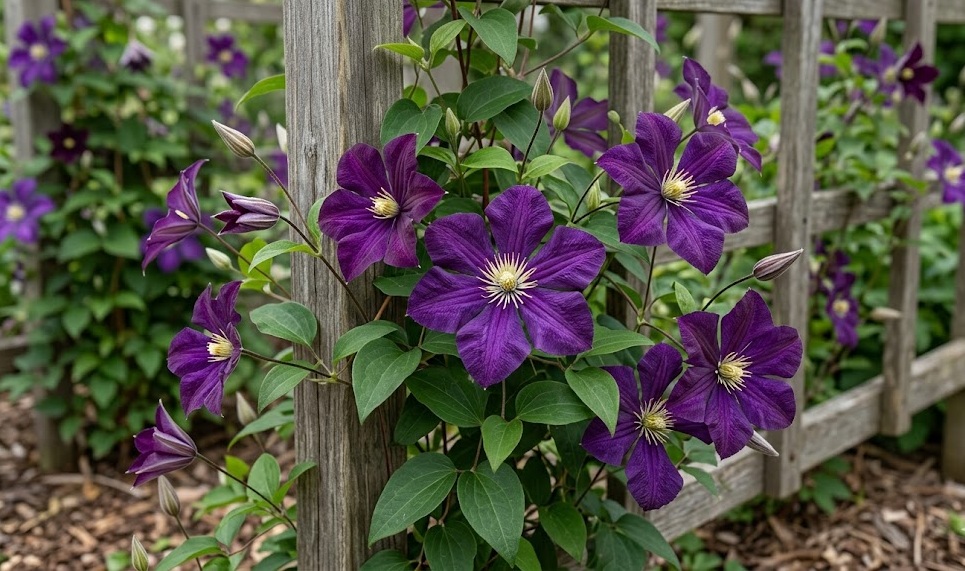

Preparing your garden clematis for the cold winter months is a vital task that ensures the plant returns with vigor in the following spring season. While this specific variety is known for its hardiness, the transition from active growth to complete dormancy requires a few key steps to protect the structural integrity of the vine. Extreme temperatures and winter winds can cause significant damage if the plant is left entirely to its own devices during the frost. This article details the professional methods for sheltering and maintaining your climbing specimens during the winter dormancy period.
Late autumn preparation steps
As the days grow shorter and the first light frosts begin to kill off the annuals, it is time to start the winterization process for your perennials. The first step is to gradually reduce the amount of supplemental water you provide as the plant’s metabolic rate begins to slow down significantly. You want the soil to remain moist but not saturated, as waterlogged roots are much more likely to freeze or rot during the winter. Stop all fertilization by late August to ensure that no soft, frost-sensitive new growth is produced before the deep cold arrives.
Cleaning the area around the base of the plant is another essential task that helps prevent diseases from overwintering in the garden debris. You should remove any fallen leaves, spent flowers, and dead weeds that have accumulated over the summer and autumn months. These materials can harbor fungal spores and insect eggs that will be ready to attack your plant as soon as the weather warms up. Keeping the ground clean also makes it much easier for you to apply a fresh, clean layer of protective mulch for the winter.
Inspect the support structure of your climbing vine to ensure it is sturdy enough to withstand the weight of winter snow and ice. Strong winds can whip the dormant stems against a loose trellis, causing mechanical damage or even snapping the main trunk of the plant. If you find any loose wires or wobbly stakes, take the time to repair them now while the plant is dormant and easier to handle. Providing this physical stability is just as important as protecting the roots from the cold temperatures of January.
Finally, take a look at the overall health of the stems and remove any that are obviously diseased, broken, or completely dead. While you shouldn’t do a full pruning yet, clearing away the “junk” growth will improve airflow and reduce the weight on the support system. Be careful not to prune too much, as the old stems often provide a bit of natural protection for the dormant buds located closer to the main trunk. This light cleanup is the final touch in your autumn routine before the real winter protection begins in earnest.
More articles on this topic
Protecting the root system
The root system is the heart of the plant, and protecting it from the “freeze-thaw” cycle is the most important part of successful wintering. When the ground freezes and thaws repeatedly, it can heave the soil and damage the delicate roots or even push the plant out of the ground. To prevent this, you should apply a thick layer of organic mulch around the base of the plant once the ground has frozen for the first time. This mulch acts as an insulator, keeping the temperature of the soil much more consistent throughout the entire winter season.
High-quality compost, shredded bark, or even a thick layer of autumn leaves can serve as excellent insulating materials for your garden. You should aim for a layer that is at least four to six inches deep and extends about two feet out from the main stem in all directions. However, it is vital to keep the mulch from touching the actual stems of the plant to prevent rot and to discourage rodents from nesting there. This “donut” shape of mulch provides maximum protection for the roots while keeping the crown of the plant safe and dry.
In areas with particularly harsh winters or very little snow cover, you might consider using even more robust insulation like evergreen boughs or straw. Snow is actually an excellent natural insulator, but in its absence, the bare ground can experience much deeper and more damaging freezes. The extra layer of branches or straw helps trap air and moisture, creating a microclimate that is several degrees warmer than the surrounding air. This can make the difference between a plant that survives and one that is lost to a particularly brutal polar vortex.
If you are growing your clematis in a container, the root system is much more exposed to the cold than it would be if it were in the ground. You may need to wrap the entire pot in several layers of bubble wrap, burlap, or even a specialized insulated blanket to keep the roots safe. Some gardeners move their container plants into an unheated garage or shed for the winter to provide a bit of extra shelter from the wind and frost. Wherever you keep them, check the soil occasionally to ensure it hasn’t dried out completely, as dormant roots still need a tiny bit of moisture.
More articles on this topic
Shielding the vine from winter winds
Winter winds can be incredibly dehydrating for the dormant stems of climbing plants, especially those grown on exposed walls or fences. The cold air pulls moisture out of the wood faster than the frozen roots can replace it, a condition known as winter desiccation. To protect against this, you can wrap the most exposed parts of the vine in a layer of breathable burlap or garden fleece. This shield breaks the force of the wind and helps maintain a slightly higher humidity level around the stems during the driest months.
A physical barrier like a temporary snow fence or a piece of lattice can also be placed on the windward side of the plant to provide extra protection. This is particularly useful for young plants that haven’t yet developed a thick, woody bark to protect their internal tissues from the elements. If your plant is growing against a light-colored wall, be aware that the sun’s reflection can also cause problems on bright winter days. The heat from the wall can trick the plant into thinking it is spring, only for it to be hit by freezing temperatures again at night.
Securely tying the dormant stems to their support will prevent them from rubbing and chafing against the trellis during winter storms. Use soft materials like strips of old cloth or specialized garden twine that won’t cut into the bark as the plant moves in the wind. You don’t need to tie every single branch, but ensuring the main structural stems are stable is a key part of your winter prep. This also makes the garden look much tidier and more organized during the months when there are no leaves to hide the structure.
Avoid the temptation to use plastic sheeting to cover your plants, as this can trap too much heat on sunny days and cause the plant to wake up too early. Breathable materials are always the better choice because they allow for some airflow and prevent the buildup of moisture that could lead to mold. The goal is to moderate the environment, not to create a greenhouse effect that disrupts the plant’s natural dormant cycle. Proper winter protection should be “set it and forget it” until the first signs of spring begin to appear in the garden.
Managing the spring awakening
As the days begin to lengthen and the soil starts to thaw, it is time to start thinking about removing the winter protection you worked so hard to install. You should do this gradually, removing the burlap or evergreen boughs on a cloudy day to prevent the dormant buds from being shocked by sudden bright sun. Keep a close eye on the weather forecast, as a late spring frost can be particularly damaging to any new growth that has been protected all winter. Having some fleece or old blankets ready for an emergency covering is a wise move for any gardener in a variable climate.
Once the protective covers are off, you can begin to slowly pull back the thick layer of mulch from the base of the plant to let the soil warm up. Don’t remove it all at once, as a thin layer is still useful for moisture retention and weed suppression throughout the coming year. This is also the best time to do a thorough inspection of the stems to see how well the plant survived the winter months. Look for any signs of splitting bark, frost damage, or areas where the wind might have caused mechanical injuries to the vine.
Pruning should generally wait until you see the first signs of green buds appearing, as this tells you exactly which parts of the plant are still alive. For this specific variety, which belongs to pruning group 3, you will eventually cut the stems back quite hard to encourage fresh new growth from the base. Waiting for the buds to swell ensures that you don’t accidentally cut off a stem that was simply late to wake up from its winter sleep. Patience is a virtue in the early spring garden, as some plants take longer than others to respond to the warming air.
Finally, give the plant its first deep watering of the year once the ground is fully thawed and the danger of deep freezes has passed. This helps “wake up” the root system and provides the hydration needed for the rapid growth that is about to occur in the coming weeks. You can also apply a light dose of balanced fertilizer to provide the initial energy boost required for the season’s spectacular display of purple flowers. With the winter behind you and a fresh season ahead, your clematis is ready to take center stage in your garden once again.