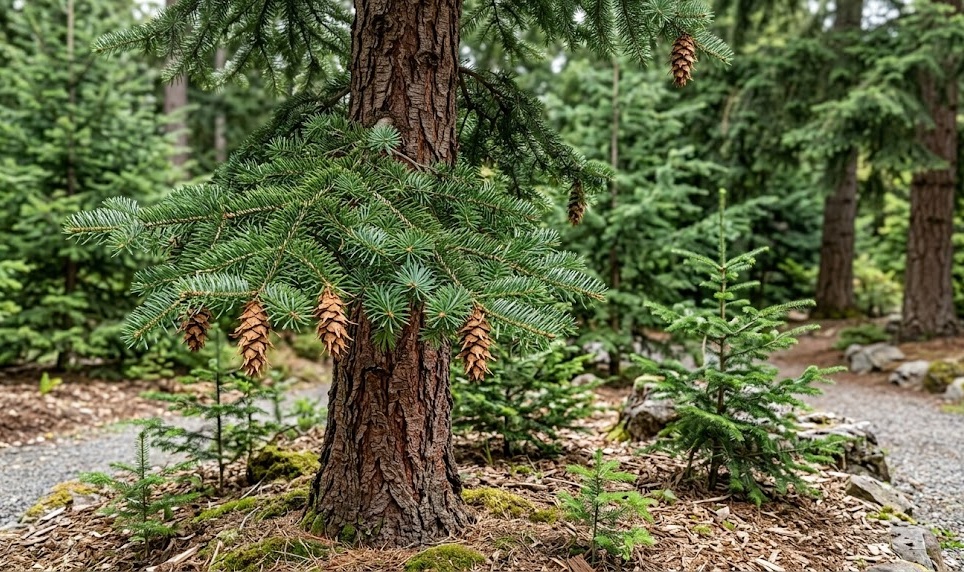

Preparing the Douglas fir for the challenges of winter is a critical aspect of its annual care cycle. While this species is naturally adapted to cold climates, the unique conditions of a managed landscape can sometimes leave it vulnerable to winter-related stress. A professional approach to wintering involves both physical preparation and a shift in maintenance habits to protect the tree’s moisture levels and structural integrity. By taking the right steps before the first freeze, you can ensure your conifer emerges in the spring with its health and beauty intact.
Assessing cold hardiness and risks
The Douglas fir is generally rated for USDA hardiness zones 4 through 6, meaning it can withstand quite significant freezing temperatures. However, its actual resilience depends on how well it has been cared for during the preceding growing season. A tree that is stressed from drought or poor nutrition will be much more susceptible to “winter kill” than a healthy, vigorous specimen. You should evaluate the overall health of your tree in the autumn to determine if it needs any extra protection during the coming months.
Early autumn freezes and late spring frosts are often more damaging than the consistent cold of mid-winter. This is because the tree may not have had enough time to “harden off” its new growth or may have already begun to push out new buds. You should monitor the weather forecasts closely during these transition periods and be prepared to offer temporary shelter to young or particularly valuable trees. Understanding the local climate patterns helps you anticipate these risky windows of time and act accordingly.
Winter desiccation, also known as “winter burn,” is one of the most common issues for evergreens during the cold season. This occurs when the dry winter winds and sun cause the needles to lose moisture while the roots are unable to absorb water from the frozen ground. You will see this as a browning or reddening of the needles, usually on the side of the tree facing the prevailing winds. Providing a windbreak or applying anti-desiccant sprays are professional ways to mitigate this type of moisture loss.
The weight of snow and ice presents a physical threat that can lead to broken branches and structural damage. While the Douglas fir has flexible wood and a conical shape designed to shed snow, extreme storms can still overwhelm its natural defenses. You should inspect the tree’s structure for any weak unions or overextended branches that might be prone to breaking under load. Proactive pruning in the late summer can help remove these potential failure points before the winter weather arrives.
More articles on this topic
Hydration and soil insulation
Ensuring the tree is fully hydrated before the ground freezes is the single most important step you can take for winter preparation. You should continue to water the tree deeply through the autumn months, right up until the point where the soil becomes too hard to absorb moisture. This “pre-winter soak” provides the tree with a reservoir of water that it can draw upon during the long months when the roots are inactive. A well-hydrated tree is much more resistant to the drying effects of winter winds and sun.
Applying a thick layer of organic mulch around the base of the tree is an excellent way to insulate the soil and protect the roots. A layer of wood chips or shredded bark about three to four inches deep will help keep the soil temperature stable and prevent the ground from freezing as deeply. This insulation allows the roots to continue functioning for a longer period and protects the delicate feeder roots near the surface. You must remember to keep the mulch away from the trunk to prevent moisture buildup and rodent damage.
The diameter of the mulched area should ideally extend out to the drip line of the tree to cover the majority of the root system. This large “insulation blanket” creates a more favorable microclimate for the tree and helps retain whatever natural moisture falls during the winter. As the mulch breaks down over time, it also adds valuable organic matter to the soil, improving its quality for the next growing season. Using mulch is a low-cost, high-impact practice that is standard in professional conifer management.
In areas with very little winter precipitation, you might even need to water the tree during a mid-winter thaw. If the ground melts and the weather remains dry for an extended period, a quick soak can help replenish the tree’s internal water levels. You should only do this when the temperatures are well above freezing and the water has a chance to soak in before the ground refreezes. Being responsive to these unusual weather patterns is what separates a dedicated gardener from a casual observer.
More articles on this topic
Physical protection for young trees
Young Douglas firs with thin bark and limited root systems are the most vulnerable to winter damage and require extra attention. You can create a temporary physical barrier using burlap and wooden stakes to protect small trees from the harshest winter winds. This “windscreen” should be placed on the windward side of the tree, providing a sheltered pocket of air that reduces the rate of needle desiccation. It is important that the burlap does not touch the needles directly, as this can cause rubbing and physical injury.
Protecting the trunk from “sunscald” and animal damage is another priority for young specimens. You can use plastic tree guards or light-colored wraps to shield the sensitive bark from the intense winter sun and the teeth of hungry rodents. Rabbits and deer often turn to the bark and lower branches of conifers when other food sources become scarce during a snowy winter. A sturdy wire cage around the base of the tree is often the only effective way to prevent these animals from girdling the trunk.
For very small saplings, a heavy layer of snow can actually act as a beneficial insulator, protecting them from extreme temperature fluctuations. However, you should be careful when shoveling snow near your trees, as the weight of piled-up snow can crush small branches. Avoid using de-icing salts on paths or driveways near your Douglas firs, as the salt can wash into the soil and dehydrate the roots. If you must use salt, choose a “pet-safe” or “plant-safe” alternative that is less chemically aggressive.
Anti-desiccant sprays, which are waxy coatings applied to the needles, can provide an extra layer of protection against moisture loss. These products are particularly useful for newly transplanted trees or those in very exposed, windy locations. You should apply the spray in the late autumn when the temperatures are still above freezing and the needles are dry. This coating will naturally wear off by the time the tree begins its active growth in the spring, leaving no permanent residue.
Spring transition and recovery
As the weather begins to warm in late winter, the tree will slowly start to wake up from its period of dormancy. You should resist the urge to fertilize or prune too early, as a late-season cold snap can easily damage the tender new growth stimulated by these activities. The best approach is to wait until you see the first signs of bud swell before beginning any intensive spring maintenance. This patient observation ensures that you are working with the tree’s natural timing rather than against it.
Inspect the tree thoroughly in the early spring for any signs of winter damage, such as brown needles or broken limbs. Any branches that have died or been physically damaged should be pruned back to healthy wood to prevent the entry of pests. If you notice a significant amount of browning on the windward side, it is a sign that your winter protection strategy needs to be improved for the next year. Most trees will recover from minor winter burn as they push out new growth in the spring.
Check the mulch layer in the spring to see if it needs to be replenished or adjusted after the winter weather. You may need to pull the mulch back slightly to allow the soil to warm up more quickly and encourage root activity. This is also a good time to perform a quick soil test to see if any nutrients were leached away during the winter. A healthy start in the spring is the direct result of careful preparation and protection during the preceding winter months.
Finally, keep a record of how the tree handled the winter conditions, noting any specific problems or successes you observed. Did the windscreen work? Was there any animal damage? This information is invaluable for refining your wintering plan and ensuring the long-term health of your Douglas firs. A professional approach is always an iterative one, where you learn from each season to become a better steward of your landscape.