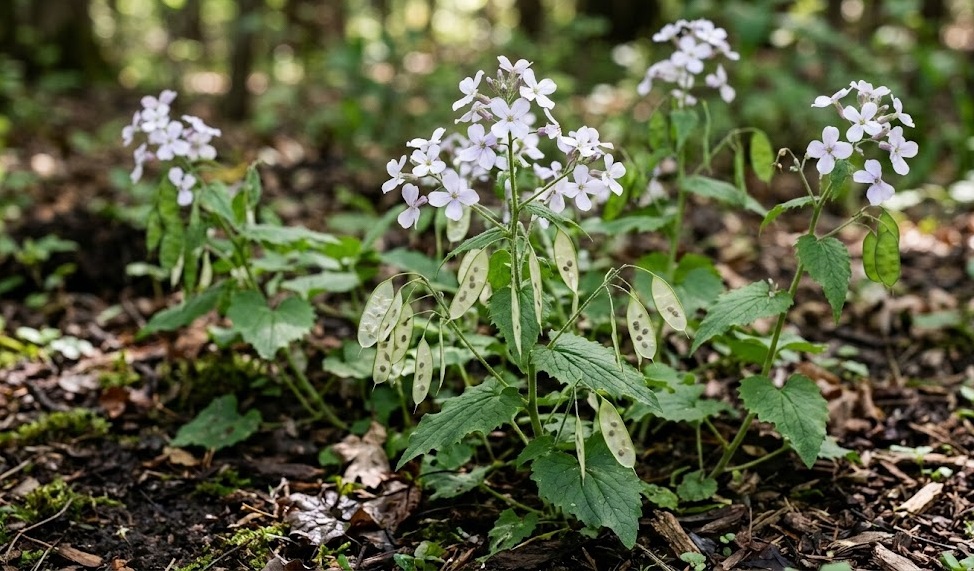

Preparing your garden for the challenges of the winter months is a critical phase in the annual cycle of professional horticulture. Perennial honesty is remarkably hardy, but the way you manage it during the cold season can significantly impact its performance in the following spring. You must understand how to protect the root system and when to perform the necessary cleanup tasks to ensure a smooth transition. This guide outlines the expert steps required to successfully overwinter your plants and prepare them for a vigorous start in the new year.
As the temperatures begin to drop in late autumn, the plant will naturally start to slow its metabolic processes and enter a state of dormancy. You will see the lush green foliage begin to fade and eventually turn brown as the energy is withdrawn back into the sturdy root system. This is a perfectly normal part of the life cycle and should not be a cause for concern for the attentive gardener. Your primary goal during this time is to support this transition and protect the plant’s vital organs from extreme conditions.
One of the first tasks you should undertake is a gentle cleanup of the area around the base of the plants. You should remove any fallen leaves or debris that might provide a hiding place for pests or harbor fungal spores over the winter. However, you should be careful not to disturb the soil too much, as the roots are relatively close to the surface and can be sensitive to cold exposure. A clean and tidy garden bed is the foundation of professional winter management.
Watering should be gradually reduced as the plant goes dormant, but the soil should not be allowed to become bone-dry before the first hard freeze. Moist soil actually retains more heat than dry soil, providing a small but important buffer for the roots against deep frost. If you have had an exceptionally dry autumn, you might consider one last deep watering before the ground locks up for the winter. This simple step can make a big difference in the survival rates of your perennials during a harsh winter.
Protecting the root system and crown
The most vulnerable part of the plant during the winter is the crown, where the new growth will emerge in the spring. You should apply a generous layer of mulch, such as straw or shredded bark, over the base of the plant once the ground has started to cool significantly. This layer acts as an insulator, stabilizing the soil temperature and preventing the cycle of freezing and thawing that can push plants out of the ground. In professional circles, this process is known as “heaving” and it can be very damaging to young or newly planted specimens.
More articles on this topic
In regions with particularly severe winters or very little snow cover, you might need to provide additional protection for your plants. You can use evergreen boughs or specialized garden fleece to cover the crowns and provide an extra layer of warmth and wind protection. This is especially important for plants located in exposed areas of the garden where the cold winter winds can be quite desiccating. Providing this extra care shows a high level of professional commitment to the long-term health of your landscape.
Snow can actually be a gardener’s best friend during the winter, as it provides a fantastic natural insulation layer for the ground. You should avoid clearing snow away from your perennial beds unless it is absolutely necessary for access or safety. A deep blanket of snow keeps the soil temperature relatively constant and protects the plants from the most extreme air temperatures. Understanding these natural processes allows you to work with the weather rather than fighting against it.
If you have plants in containers, they will require much more attention during the winter than those in the ground. The root systems of potted plants are much more exposed to the cold, and the soil can freeze completely through very quickly. You should move your containers to a sheltered spot, wrap them in bubble wrap or burlap, or even sink them into the ground for the winter. Managing container plants requires a proactive approach to prevent the roots from being killed by the deep frost.
Managing seed pods and winter structure
One of the unique features of this species is the visual interest provided by its seed pods during the winter months. You can choose to leave the tall stems standing, allowing the silvery discs to catch the low winter light and add structure to the landscape. These stems can also provide a valuable source of food and shelter for small birds and beneficial insects during the leanest months of the year. This ecological approach to gardening adds another dimension of value to your professional practice.
More articles on this topic
If you prefer a tidier look, you can cut the stems back to the ground once the seed pods have fully matured and served their purpose. You might want to harvest some of the most beautiful stems to use in indoor floral arrangements or as gifts for other gardening enthusiasts. Cutting back the old growth before the heavy snows arrive can also prevent the stems from being crushed and becoming a messy pile of debris. The choice between aesthetic structure and winter cleanup is one of the many decisions a professional gardener makes each year.
Late winter is also a good time to inspect your garden for any damage that may have occurred during winter storms. You should check for broken branches from overhanging trees that might have fallen on your perennials or any signs of animal browsing. Deer and rabbits can become quite desperate during the winter and may nibble on the dormant crowns of your plants if they are not protected. Taking quick action to repair any damage will help your plants recover more quickly when the spring finally arrives.
Monitoring the weather patterns throughout the winter will help you anticipate when the plants might start to wake up. An unusually warm spell in February can sometimes trick plants into starting growth too early, only to be damaged by a subsequent cold snap. If you notice new shoots emerging prematurely, you might need to temporarily recover them with a light layer of mulch or fleece. Staying vigilant during the transition periods is a hallmark of a professional who is truly in tune with their garden.
Preparing for the spring awakening
As the days begin to lengthen and the soil starts to warm, you should gradually remove any extra winter protection you have provided. You should do this in stages, allowing the plants to slowly acclimate to the changing conditions and the increasing light levels. Removing the mulch too early can expose the tender new growth to late frosts, while leaving it on too long can lead to rot or provide cover for early-season pests. Finding the right timing is an art that you will perfect over several growing seasons.
Early spring is the perfect time to apply a fresh layer of organic compost to provide a nutrient boost for the new growing season. You should carefully pull back the old mulch and spread the compost around the emerging shoots, being careful not to bury them. This simple act of renewal helps replenish the soil and sets the stage for a spectacular display of flowers in the coming months. Your plants will respond with vigor to this professional attention to their nutritional needs.
You should also take this opportunity to re-evaluate the placement and health of your plants after the winter trial. Some specimens may have thrived in their winter home, while others might have struggled and would benefit from a move to a more sheltered location. Spring is a time of new beginnings and a great opportunity to refine your garden design based on the lessons learned during the winter. A professional garden is never static; it is always evolving and improving under the care of a thoughtful gardener.
Finally, remember that the success of your spring garden is directly linked to the preparation you do during the winter. By protecting the roots, managing the debris, and monitoring the weather, you ensure that your perennial honesty has the best possible start. The beauty of the first fragrant blooms in the spring is the ultimate reward for your hard work and professional dedication during the cold months. Every season has its own set of tasks, and mastering the winter routine is a vital step toward becoming a truly expert gardener.