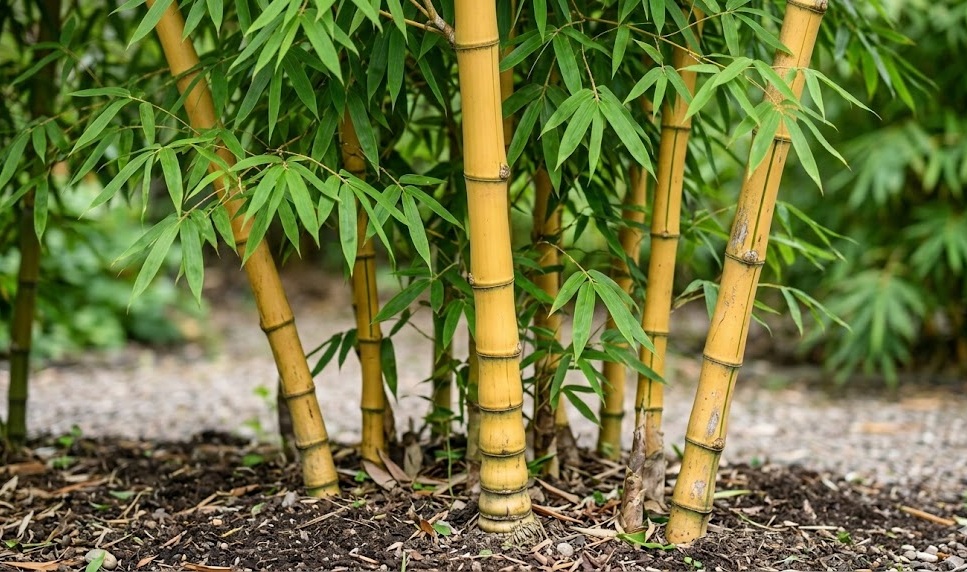

Preparing golden bamboo for the challenges of the winter season is essential for maintaining its evergreen beauty and structural integrity. While this species is categorized as one of the hardier timber bamboos, extreme cold and drying winds can still cause significant damage to the foliage and culms if the plant is left unprotected. The goal of wintering is not just survival, but ensuring that the plant emerges in the spring with minimal dieback and a strong foundation for new growth. By taking a few proactive steps in the autumn, you can safeguard your bamboo against the harshest elements of the coming months.
Assessing cold hardiness and risks
Understanding the specific limits of golden bamboo is the first step in planning your winter protection strategy for the garden. Generally, this species can tolerate temperatures down to approximately minus fifteen degrees Celsius, although the leaves may begin to suffer at slightly warmer levels. Factors such as the age of the plant, its overall health, and its location in the landscape will all influence how well it handles a deep freeze. A younger, newly planted bamboo will always be more vulnerable than an established grove with a massive, energy-rich rhizome system.
The type of winter weather you experience is often more important than the absolute minimum temperature reached during the night. Dry, cold winds are particularly dangerous for bamboo because they pull moisture out of the leaves while the roots are unable to replenish it from the frozen ground. This phenomenon, often called winter desiccation, can lead to widespread browning of the foliage even if the temperatures remain within the plant’s theoretical tolerance range. Identifying the direction of prevailing winter winds in your yard can help you decide where to place physical barriers or windbreaks.
Heavy snowfall presents a different kind of risk, primarily due to the physical weight it places on the flexible bamboo culms. While bamboo is famous for its ability to bend without breaking, an extreme accumulation of wet, heavy snow can eventually cause stems to snap or become permanently deformed. In areas prone to heavy snow, you may need to periodically go out and gently shake the branches to relieve the pressure before it reaches a critical level. This simple act of physical maintenance can save years of growth from being ruined in a single winter storm.
You should also consider the microclimate of your specific planting site, as this can offer a natural advantage during the colder months. Planting bamboo near a south-facing wall or in a courtyard can provide a few extra degrees of warmth that might make the difference during a record-breaking cold snap. Conversely, low-lying areas in the garden where cold air tends to settle, often called frost pockets, should be avoided if possible for this particular species. Knowing these nuances of your land allows you to tailor your winter care to the specific risks your bamboo faces.
More articles on this topic
Protective mulching and hydration
One of the most effective and simple things you can do for your golden bamboo in winter is to provide a thick, insulating layer of organic mulch. A generous application of wood chips, straw, or fallen leaves around the base of the plant helps keep the soil temperature more stable and prevents deep freezing of the rhizomes. Aim for a mulch layer that is at least ten to fifteen centimeters deep, extending outward to cover the entire expected root zone of the plant. This blanket not only protects the roots from the cold but also helps retain vital moisture in the soil during dry winter spells.
Hydration is a critical but often overlooked aspect of winter care for evergreen plants like bamboo. Because the leaves continue to lose moisture through transpiration even in winter, the plant must have access to water whenever the ground is not frozen. You should give your bamboo a deep and thorough watering in the late autumn before the first hard freeze is expected to occur. Ensuring the plant is fully hydrated before it enters dormancy will give it a significant advantage in resisting the drying effects of winter winds and low humidity.
During periods of winter thaw when the ground surface melts, you should check the moisture level of the soil and water the plant if it feels dry. This is especially important in regions that experience “open winters” with very little snow cover but frequent drying winds. If you use an irrigation system, make sure it is properly winterized to prevent damage, but keep a manual hose ready for these occasional winter watering sessions. Consistency in monitoring soil moisture throughout the winter months can prevent many of the common problems seen in the early spring.
Avoid applying any nitrogen-rich fertilizers in the late summer or autumn, as this can stimulate new, soft growth that will be easily killed by the first frost. The goal during the lead-up to winter is to allow the existing culms and leaves to harden off and become as resilient as possible. Instead, you can focus on providing potassium-rich amendments if a soil test indicates a need, as this mineral can help improve the plant’s overall cold tolerance. By working with the plant’s natural seasonal cycle, you support its internal preparation for the cold ahead.
More articles on this topic
Sheltering and physical protection
In particularly exposed locations or during extreme weather events, you may need to provide physical shelter for your golden bamboo. Using a temporary windbreak made of burlap, reed mats, or even a simple wooden fence can drastically reduce the impact of drying winter gusts. These barriers should be placed on the windward side of the plant and should be tall enough to protect a significant portion of the foliage. While it might not look beautiful for a few months, this extra layer of defense can preserve the vibrant green color of the leaves.
For smaller or newly planted specimens, you can create a temporary “cage” of wire mesh filled with dry leaves or straw to provide maximum insulation for the culms. This method is highly effective for protecting the plant through its first few winters until it has established a more robust root system and thicker wood. It is important to ensure that the insulating material stays relatively dry, so covering the top with a piece of breathable fabric can help shed excess rain or snow. Once the danger of hard frost has passed in the spring, these structures should be removed promptly to allow for normal growth.
In some cases, you might choose to wrap the entire bamboo clump in horticultural fleece or a similar breathable material during the coldest weeks of the year. This helps trap a small amount of heat from the ground and prevents the foliage from coming into direct contact with freezing winds. However, you should avoid using plastic sheeting, as it can trap moisture and lead to rot or fungal issues if the sun warms the air inside too much during the day. Always use materials that allow for some air exchange to keep the plant healthy while it is covered.
Managing the height of your bamboo can also be a strategic part of your winter protection plan in windy areas. Taller culms act as larger sails and are more likely to be damaged or uprooted by strong winter storms. If you know that your bamboo is reaching a height that makes it vulnerable, you might consider topping it in the late summer to lower its center of gravity and reduce wind resistance. This is a common practice in many professional landscapes to ensure the long-term stability and safety of the bamboo grove.
Post-winter recovery and care
As the days begin to lengthen and the soil starts to warm in the early spring, your focus should shift toward helping the bamboo recover from its winter dormancy. This is the time to carefully inspect the plant for any signs of damage, such as snapped culms or excessively browned leaves. You should wait until the danger of frost has completely passed before performing any major pruning, as the damaged foliage can actually provide a small amount of protection for the inner shoots. Once the weather is consistently mild, you can begin the process of tidying up the grove for the new season.
If you notice that some of the leaves have turned brown, don’t panic immediately, as bamboo is remarkably resilient and often produces a fresh set of leaves in the spring. You can gently scratch the surface of the culms to see if there is still green tissue underneath; if so, the stem is still alive and will likely recover. Any completely dead or shattered culms should be cut down to the ground level to make room for the new shoots that will soon emerge. This removal of old material also improves airflow and light penetration, which is vital for the health of the plant.
The first watering of the spring should be deep and thorough to help wash away any salts that may have accumulated and to fully rehydrate the rhizome system. This is also the ideal time to apply a balanced, slow-release fertilizer to provide the nutrients needed for the upcoming growth surge. As the new shoots begin to appear, monitor them closely to ensure they are not damaged by any late-season cold snaps. By providing this extra attention in the early weeks of spring, you ensure that your golden bamboo makes a full and rapid recovery.
Finally, take a moment to reflect on how well your wintering strategy worked and make notes for the following year. Gardening is a continuous learning process, and every winter is slightly different in its challenges and intensity. If a certain type of mulch or windbreak was particularly effective, you will want to remember that for the future. Over time, you will develop a deep understanding of how your golden bamboo interacts with your local climate, allowing you to provide the best possible care throughout every season of the year.