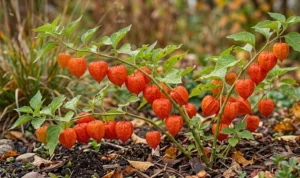
Watering and fertilizing the Welsh poppy is an essential part of maintaining its health, especially if you want to see consistent blooms throughout the spring and early summer. Because this plant originates from the cool, damp regions of Western Europe, it has specific physiological requirements that differ from more drought-tolerant garden poppies. A professional approach to hydration and nutrition focuses on consistency rather than intensity, ensuring the plant never experiences extreme stress. By understanding the relationship between soil moisture and nutrient availability, a gardener can produce plants that are both robust and visually stunning.
Proper hydration begins with an assessment of the current soil moisture levels before reaching for the garden hose. The Welsh poppy prefers a substrate that feels like a wrung-out sponge: moist to the touch but not dripping with excess water. Over-watering can be just as detrimental as drought, as it often leads to soil compaction and reduced oxygen levels around the roots. In professional gardening, we often use the finger test to check the moisture several centimeters below the surface. This simple check prevents the common mistake of watering based on a schedule rather than the actual needs of the plant.
The timing of irrigation plays a major role in the overall health of the foliage and the efficiency of water use. Watering in the early morning is widely considered the gold standard, as it allows the leaves to dry quickly as the sun rises. Moisture that sits on the leaves overnight can create a breeding ground for fungal pathogens like powdery mildew or grey mold. Furthermore, early morning watering ensures that the plant has a full reservoir of hydration to draw from during the warmest part of the day. This proactive strategy helps the plant maintain its turgor pressure and prevents wilting under the midday sun.
Technique is just as important as timing when it comes to delivering water to these delicate perennials. A gentle approach, such as using a drip irrigation system or a soaker hose, is far superior to high-pressure overhead sprays. Directing the water to the base of the plant ensures that the moisture reaches the root zone where it is needed most. This method also minimizes soil erosion and prevents the delicate petals from being bruised or damaged by heavy water droplets. For a professional, the goal is always to deliver water efficiently while protecting the aesthetic integrity of the garden display.
Nutrient requirements and organic enrichment
The nutritional needs of the Welsh poppy are relatively modest, but providing the right balance of elements is key to a long flowering season. These plants thrive in soil that is rich in organic matter, which naturally provides a slow release of essential nutrients. In a professional setting, we prioritize building soil health over applying high-strength synthetic fertilizers. Incorporating well-composed leaf mold or garden compost into the soil before planting provides a solid foundation for the plant’s growth. This organic approach supports the complex soil food web that, in turn, keeps the poppies healthy.
More articles on this topic
Nitrogen is necessary for the development of lush, green foliage, but too much of it can lead to a common problem among poppies. Excessive nitrogen often results in rapid, weak leaf growth that is highly attractive to pests like aphids and more prone to flopping over. Furthermore, an over-abundance of nitrogen can actually suppress flower production as the plant focuses all its energy on vegetative growth. A balanced approach ensures that the plant remains sturdy and produces a high volume of its characteristic yellow or orange blossoms. Professional gardeners often look for fertilizers with a slightly higher phosphorus content to support strong blooming.
Micronutrients, although required in smaller quantities, play a vital role in the metabolic processes of the Welsh poppy. Elements such as magnesium, iron, and boron are essential for chlorophyll production and the successful formation of seeds. If the soil is regularly amended with organic matter, these micronutrients are usually present in sufficient amounts. However, in very sandy or highly leached soils, a supplementary application of a liquid seaweed extract can be beneficial. These natural solutions provide a broad spectrum of minerals in a form that is easily absorbed by the plant’s roots.
The frequency of fertilization should be tailored to the specific stage of the plant’s life cycle. A light application of a balanced organic fertilizer in the early spring, just as the first leaves appear, gives the plant a boost for the coming season. During the peak of the flowering period, a second, very diluted liquid feeding can help sustain the bloom production. Once the plant enters its late-summer dormancy or begins to set seed, it is best to cease all fertilization. Allowing the plant to slow down naturally in the autumn prepares it for the dormant winter months ahead.
Managing moisture in different soil types
The efficiency of your watering routine is heavily influenced by the physical characteristics of your garden soil. Clay soils have a high water-holding capacity, which can be a double-edged sword for the Welsh poppy. While these soils stay moist longer, they also drain slowly and can become anaerobic if over-saturated during rainy periods. If you are dealing with heavy clay, the professional advice is to water less frequently but more deeply, and to incorporate grit to improve drainage. Keeping a close eye on the soil’s “breathability” is crucial for preventing root rot in clay-based gardens.
More articles on this topic
Sandy soils present the opposite challenge, as they drain very quickly and struggle to hold onto both water and nutrients. In these environments, the Welsh poppy may require more frequent attention to prevent it from drying out completely. Adding large quantities of organic matter is the best way to improve the “sponginess” of sandy soil, allowing it to retain moisture for a longer period. Mulching is absolutely essential in sandy areas, as it provides a protective barrier that slows down evaporation from the soil surface. Gardeners in sandy regions must be more vigilant during heatwaves to ensure their poppies don’t suffer from thermal stress.
Loam is often considered the ideal soil type for most garden plants, including the Welsh poppy, due to its balanced structure. It offers a good mix of moisture retention and drainage, making the gardener’s job much simpler and more predictable. Even in ideal loam, however, seasonal variations in rainfall mean that supplemental watering will still be necessary at times. Maintaining the health of the loam through regular compost additions ensures that it remains an optimal environment year after year. A professional recognizes that even “perfect” soil is a dynamic system that requires ongoing management.
In container gardening, the dynamics of watering and fertilizing change significantly compared to open ground. Pots have a limited volume of soil and can heat up and dry out much faster than the earth itself. It is often necessary to water container-grown Welsh poppies daily during the height of summer to keep them thriving. Because regular watering leaches nutrients out of the potting mix, a more frequent but very diluted fertilization schedule is required. Using a high-quality, peat-free potting compost with added water-retaining granules can help simplify the care of containerized poppies.
The role of mulching in moisture conservation
Mulching is one of the most effective tools in a professional gardener’s arsenal for managing the environment around the Welsh poppy. A layer of organic material acting as a blanket over the soil surface dramatically reduces the rate of evaporation. This means that the water you provide stays in the soil longer and remains available to the plant’s roots for an extended period. Beyond moisture retention, mulch also helps to keep the root zone significantly cooler during hot weather. Since the Welsh poppy is a cool-climate native, this temperature regulation is vital for preventing heat-induced dormancy.
The choice of mulching material can influence both the aesthetics and the health of your garden bed. Shredded bark is a popular choice for its durability and its ability to provide a clean, professional finish to the landscape. Leaf mold is perhaps the most “natural” option, as it mimics the forest floor environment where these poppies are often found in the wild. As leaf mold breaks down, it adds valuable humus to the soil, further improving its structure and fertility. Avoid using fresh grass clippings, as they can mat down and prevent water from reaching the soil, potentially causing anaerobic conditions.
Applying mulch correctly is a skill that requires attention to detail and an understanding of plant anatomy. It is important to leave a small gap between the mulch and the crown of the Welsh poppy to prevent moisture from being trapped against the stems. Directly touching the stems with wet mulch can lead to rot and provide a hiding spot for pests like slugs and snails. A thickness of about five to seven centimeters is usually sufficient to provide all the benefits without smothering the soil. Spring is the ideal time to apply mulch, while the soil is still naturally saturated from winter rains.
Over time, mulch will decompose and integrate into the soil, which is a beneficial process for the long-term health of the garden. This natural cycle means that the mulch layer will need to be replenished every year or two to maintain its effectiveness. By consistently maintaining this protective layer, you are investing in a more resilient and self-sustaining garden ecosystem. The reduced need for frequent watering and the suppressed weed growth make mulching a highly efficient practice for any serious gardener. It is a simple yet powerful way to support the specific needs of the Welsh poppy.
Identifying and correcting hydration and nutritional stress
A professional gardener must be able to read the visual cues that the Welsh poppy provides when it is under stress. Wilting is the most obvious sign of underwatering, but it can also be a symptom of root damage caused by overwatering. If the plant wilts even when the soil is damp, it may indicate that the roots are “drowning” and unable to take up oxygen. On the other hand, if the leaf edges become brown and crispy, it is a clear indicator that the plant is not receiving enough consistent moisture. Learning to distinguish between these different types of stress is key to taking the correct remedial action.
Nutritional deficiencies also manifest in specific ways on the foliage and flowers of the poppy. A general yellowing of the older leaves, known as chlorosis, often points to a lack of nitrogen or an improper soil pH that is blocking nutrient uptake. If the veins remain green while the rest of the leaf turns yellow, it might suggest a magnesium or iron deficiency. Stunted growth and a lack of flowers, even when the plant appears otherwise healthy, can be a sign that the soil is exhausted and needs a boost of phosphorus. Addressing these issues with a targeted, gentle organic amendment is the best way to restore the plant’s vigor.
Environmental factors can sometimes mimic the signs of nutrient or water stress, leading to potential misdiagnosis. For example, extreme heat can cause the leaves of the Welsh poppy to curl or droop as a protective mechanism, regardless of how much water is in the soil. Similarly, cold spring winds can cause localized leaf damage that looks like a disease or a deficiency. Before applying fertilizer or increasing the water, it is important to consider the recent weather patterns and the physical location of the plant. A holistic view of the garden environment leads to more accurate and effective care decisions.
Restoring a stressed Welsh poppy requires a gradual and patient approach rather than a sudden, drastic change. If a plant has dried out completely, rehydrating it slowly with a few deep soakings is better than keeping it in a puddle of water. Likewise, if a nutrient deficiency is identified, applying a half-strength liquid feed is safer than using a full dose of concentrated fertilizer. Most plants respond well to consistent, moderate care that allows them to recover at their own pace. By being a vigilant and responsive caretaker, you can ensure that your Welsh poppies remain a vibrant and healthy part of your garden for years to come.