
Proper hydration and nutrition are the twin pillars of successful indoor gardening, especially for species that originate from lush, tropical environments. You must learn to balance the moisture in the soil so that it is neither bone-dry nor perpetually saturated, as both extremes lead to physiological stress. A consistent routine that responds to the changing needs of the plant throughout the year will produce the best results in terms of growth and color. Understanding the subtle relationship between water, nutrients, and the plant’s metabolic rate is key to achieving professional-level results.
The “soak and dry” method is generally the most effective way to water this particular species without risking the health of its delicate roots. You should water the plant thoroughly until the liquid runs out of the drainage holes at the bottom of the container. After watering, it is essential to wait until the top two or three centimeters of the soil have dried out before you offer moisture again. This cycle mimics the natural rainfall patterns of the tropics and ensures that oxygen can reach the root zone between watering sessions.
Water temperature and quality can have a surprising impact on the overall health and appearance of your foliage. You should always use room-temperature water, as cold liquid from the tap can shock the sensitive root system and cause the plant to drop its leaves. If your local water supply is heavily treated with chemicals, consider letting it sit in an open pitcher overnight to allow some of the additives to evaporate. Rainwater or distilled water are even better options, as they do not contain the salts and minerals that can build up in the soil over time.
Signs of improper watering are usually quite easy to spot if you know what to look for during your daily inspections. Over-watered plants often develop yellowing leaves that feel soft or mushy to the touch, and you may notice a persistent damp smell from the soil. Conversely, an under-watered plant will have dry, crispy leaves and the stems may begin to wilt or lose their vibrant color. By adjusting your routine as soon as you see these signals, you can prevent permanent damage and keep the plant in peak condition.
Determining the correct frequency for watering
The frequency of your watering routine will depend heavily on the environmental conditions of your home, such as light levels and humidity. During the heat of the summer, the plant will use water much more quickly and may need to be checked every two or three days. In contrast, the cooler temperatures and lower light of winter mean the soil will stay moist for a significantly longer period. Always use your finger to test the soil moisture rather than relying on a strict calendar schedule, as your home’s microclimate can change unexpectedly.
More articles on this topic
The type of container you have chosen also plays a major role in how often you will need to pick up the watering can. Terracotta pots are porous and allow moisture to evaporate through the walls, meaning you will likely need to water more frequently than if you used plastic. Glazed ceramic or plastic pots hold onto moisture for a long time, which can be a risk factor if the drainage is not perfect. Understanding the properties of your chosen pot helps you refine your watering technique to suit the specific needs of your plant.
Humidity levels in the room can significantly reduce the amount of water the plant needs from the soil. When the air is moist, the rate of transpiration from the leaves slows down, and the plant retains its internal hydration more effectively. If you live in a very dry climate or use central heating, the plant will lose moisture rapidly through its foliage and will require more frequent soil watering. This is why maintaining a balanced environment is just as important as the act of watering itself for long-term health.
The size and density of the plant also dictate its total water consumption and the speed at which the soil dries out. A large, bushy specimen with many long vines has a much greater surface area for transpiration than a small, young cutting. You will find that as your plant grows, you will need to increase the volume of water you provide during each session to ensure all the roots are reached. Regularly checking the weight of the pot can also give you a quick indication of whether the soil is saturated or dry.
Selecting and applying the right fertilizer
Fertilizing is essential for providing the minerals that are naturally depleted from the limited amount of soil in an indoor container. You should look for a balanced, water-soluble fertilizer with an equal ratio of nitrogen, phosphorus, and potassium, often labeled as 10-10-10 or 20-20-20. Nitrogen is particularly important for this species, as it fuels the production of the lush, colorful foliage that makes the plant so popular. Applying the nutrients in a liquid form ensures they are distributed evenly through the root zone and are immediately available to the plant.
More articles on this topic
The timing of your fertilization schedule should follow the natural growth cycles of the plant to avoid causing chemical burns or nutrient toxicity. You should only apply fertilizer during the active growing season, which typically runs from early spring through late summer. During this time, a monthly application at half the strength recommended on the product label is usually sufficient for maintaining steady growth. This cautious approach prevents the buildup of excess salts in the soil while providing a consistent supply of essential elements.
Before you apply any fertilizer, make sure the soil is already slightly moist to protect the roots from concentrated chemicals. Applying liquid fertilizer to bone-dry soil can cause immediate damage to the sensitive root hairs, leading to brown leaf tips or stunted growth. You can water the plant lightly first, wait about an hour, and then follow up with the nutrient solution for the best and safest results. This simple step ensures that the minerals are absorbed gently and effectively by the plant’s vascular system.
Signs of over-fertilization are similar to those of chemical stress and can be quite detrimental if the problem is not corrected quickly. You might see a white, crusty layer forming on the soil surface, or the leaves may begin to turn dark brown and curl at the edges. If you suspect you have used too much fertilizer, you should flush the soil with large amounts of plain, distilled water to wash away the excess salts. Taking a break from fertilizing for several months will allow the plant to recover and use up the remaining nutrients in the substrate.
Common mistakes in hydration and nutrition
One of the most frequent errors made by indoor gardeners is “bottom watering” exclusively without ever flushing the soil from the top. While bottom watering can be effective for ensuring the root ball is saturated, it allows salts and minerals to accumulate in the upper layers of the soil. You should aim to water from the top at least once a month to wash these deposits down and out of the drainage holes. This balanced approach keeps the soil chemistry stable and prevents the root issues associated with mineral buildup.
Another common mistake is watering on a fixed schedule regardless of the actual moisture levels in the pot. Environmental factors such as a particularly cloudy week or a sudden drop in temperature can drastically change the plant’s water needs. If you water just because it is “watering day,” you run a high risk of creating anaerobic conditions in the soil that lead to root rot. Always verify the soil’s condition manually before adding more water to ensure the plant actually needs the hydration.
Using full-strength fertilizer on young or newly repotted plants is also a mistake that can lead to significant setbacks in their development. Young plants have delicate root systems that are easily overwhelmed by high concentrations of minerals and growth stimulants. It is always better to start with a very weak solution and gradually increase the strength as the plant becomes larger and more established. Patience is a virtue in gardening, and slow, steady growth is much healthier for the plant in the long run than forced, rapid expansion.
Neglecting the role of micro-nutrients can also lead to subtle health issues that are often mistaken for light or water problems. Minerals like magnesium, iron, and calcium are required in very small amounts but are essential for the complex chemical reactions within the plant cells. If your basic fertilizer does not include these trace elements, you might occasionally use a specialized seaweed extract or compost tea to supplement the diet. Providing a diverse range of nutrients ensures the plant has everything it needs to build strong cell walls and vivid pigments.
Adjusting for indoor climate variations
The specific microclimate of your home can create unique challenges that require you to adapt your watering and fertilizing strategies. A kitchen or bathroom with high humidity will keep the soil moist for longer than a dry living room with a fireplace. You must become an expert on your own space and observe how different rooms affect the evaporation rate of the pots. This level of detail allows you to provide truly professional care that is tailored to the specific environment of each individual plant.
During the winter months, the total cessation of fertilizing is the safest path to ensure the plant enters its natural period of rest. Even if the plant continues to grow slightly, the quality of that growth will be poor if it is forced with chemicals during a low-light period. Focus instead on maintaining consistent moisture levels and protecting the foliage from the drying effects of indoor heating systems. As the light returns in the spring, you can slowly reintroduce nutrients to kickstart the new season of vigorous expansion.
Using a moisture meter can be a helpful tool for those who are unsure about their ability to judge soil dryness by touch. These simple devices provide a numerical reading of the moisture level deep within the pot, where your finger might not be able to reach. While they are not a substitute for observation, they can provide a useful second opinion and help you gain confidence in your watering decisions. Over time, you will likely find that you need the meter less as you become more in tune with your plant’s needs.
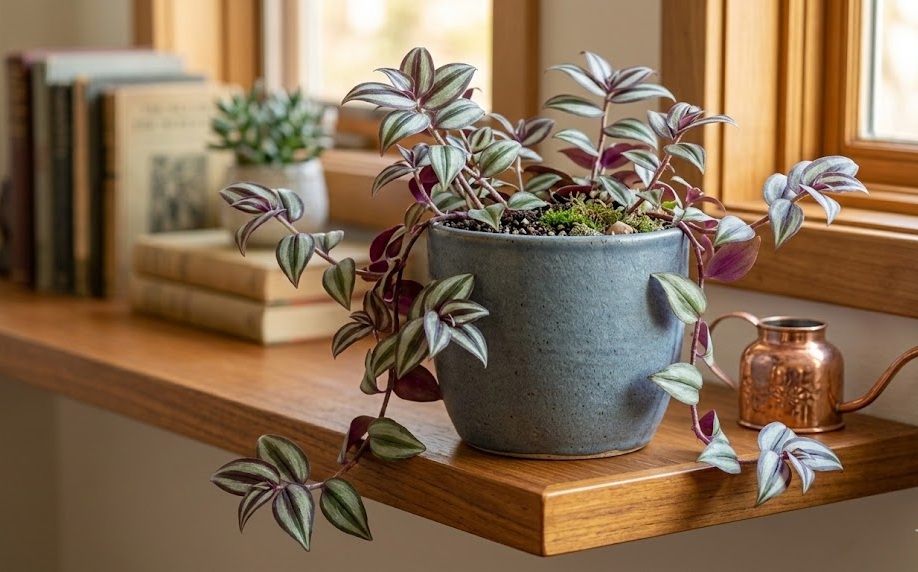
The ultimate goal of your watering and fertilizing routine should be to create a stable and predictable environment for your silver inch plant. When the plant knows it will receive consistent care, it can focus its energy on producing the stunning, iridescent foliage that makes it so unique. Your role as a gardener is to act as a supportive steward, providing the raw materials the plant needs to express its natural beauty. With a mindful approach to these two fundamental tasks, you can ensure your botanical collection remains a vibrant and healthy part of your home.