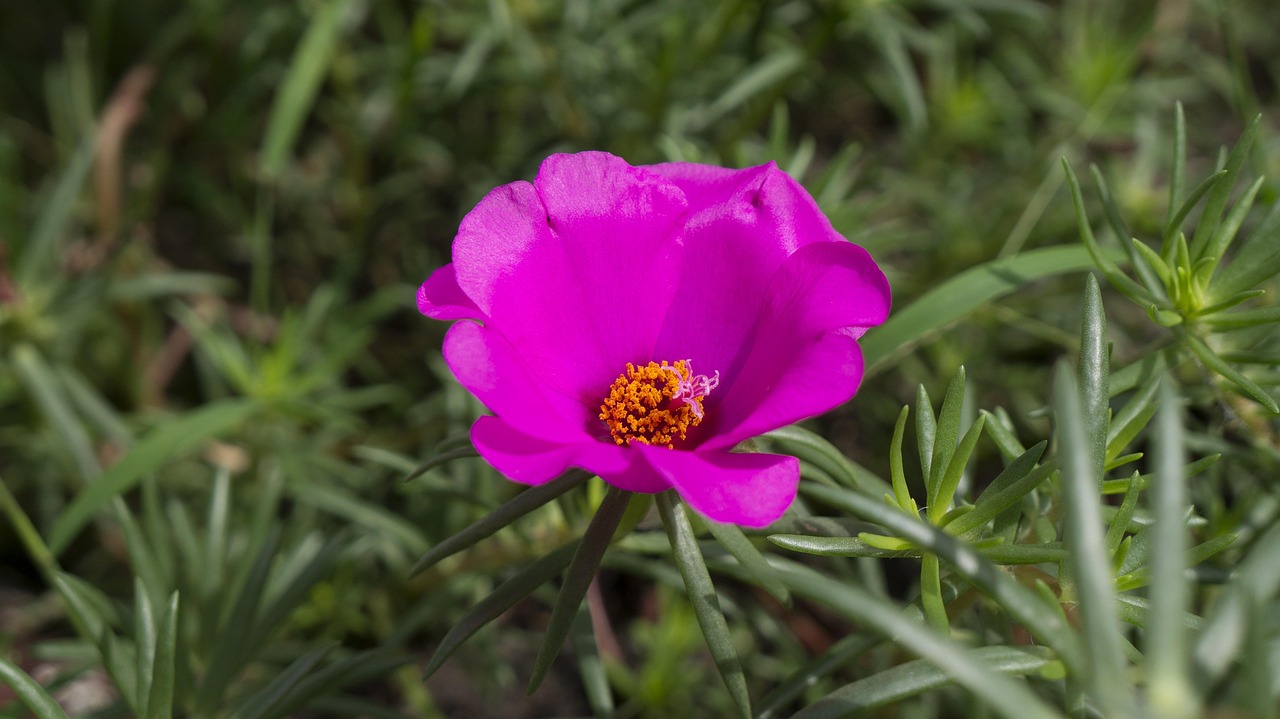

Understanding the specific watering and fertilizing needs of the moss rose is fundamental to cultivating a thriving, bloom-covered plant. As a succulent-like annual native to arid regions, its entire physiology is designed to conserve water and flourish in low-nutrient soils, making its care regimen distinctly different from that of many other common garden flowers. The most prevalent mistake gardeners make is providing too much water, which invariably leads to root rot and the plant’s demise. Therefore, a “less is more” approach is the golden rule for irrigation, ensuring the soil has a chance to dry out completely between waterings.
The plant’s fleshy leaves and stems are its personal water reservoirs, allowing it to withstand periods of drought with remarkable resilience. This adaptation means that frequent, shallow watering is counterproductive and harmful. Instead, the goal is to water deeply but infrequently, encouraging the root system to grow deeper into the soil in search of moisture. This practice not inures the plant to dry spells but also helps to anchor it more securely. Observing the plant and feeling the soil are your most reliable guides; visible signs of slight wilting or dry soil an inch below the surface are clear indicators that it is time to provide a thorough drink.
When it comes to fertilization, the moss rose continues to follow the principle of low maintenance. It is not a heavy feeder and is perfectly adapted to thrive in lean, sandy soils that are naturally low in organic matter. Over-fertilizing is a significant error, as it tends to stimulate lush, green foliage growth at the direct expense of the vibrant flowers that are the plant’s main attraction. An excess of nitrogen, in particular, will result in a carpet of green with very few blooms, defeating the purpose of growing this colorful annual.
A minimal feeding schedule is all that is required to support healthy growth and a prolific flowering season. For most garden soils, the nutrients present are often sufficient for the entire season. If your soil is exceptionally poor or you are growing the plants in containers where nutrients can leach out more quickly, a light application of a balanced, low-nitrogen fertilizer can be beneficial. However, this should be done sparingly, as the plant’s delicate balance between foliage and flower production is easily tipped by excessive nutrient inputs.
Proper watering techniques
The key to correctly watering a moss rose lies in emulating the conditions of its natural, arid habitat: periods of dryness punctuated by occasional, thorough soakings. The most effective technique is to water deeply, allowing the water to penetrate far into the soil profile, and then to allow the soil to dry out completely before the next application. For plants in garden beds, this might mean watering only once every one or two weeks, depending on rainfall and temperature. In containers, which dry out faster, you may need to water every few days during the peak of summer, but the principle of allowing the soil to dry remains the same.
More articles on this topic
When you do water, apply it directly to the base of the plant at the soil level. This method ensures that the water reaches the root zone where it is needed most and helps to keep the foliage and flowers dry. Wet foliage, especially in humid conditions or overnight, can create an ideal environment for the development of fungal diseases like powdery mildew or botrytis. Using a soaker hose or a watering can with a long spout allows for precise application and is far superior to overhead sprinklers, which wet the entire plant indiscriminately.
Before you even consider watering, always check the soil’s moisture level first. The most reliable method is to insert your finger into the soil to a depth of about one to two inches. If the soil feels dry at this depth, it is time to water. If you feel any moisture, it is best to wait another day or two and check again. This simple physical check prevents the common and detrimental practice of watering on a fixed schedule, which fails to account for variations in weather, humidity, and the plant’s specific needs at different growth stages.
For newly planted moss roses, whether from seed or nursery starts, a slightly more attentive watering schedule is needed initially. During the first couple of weeks after planting, keep the soil lightly and consistently moist to help the young plants establish a strong root system. Once you observe new growth and the plants are clearly established, you can gradually transition to the deep-and-infrequent watering regimen that they prefer for the rest of the growing season. This initial care helps them build the resilience they need to thrive in the hot, dry conditions they love.
Understanding drought tolerance
The exceptional drought tolerance of the moss rose is one of its most celebrated characteristics, directly linked to its succulent nature. The plant’s fleshy, needle-like leaves and thick stems are evolutionary adaptations designed specifically for water storage. These tissues act as natural reservoirs, collecting and holding moisture from rainfall or irrigation, which the plant can then draw upon during extended dry spells. This internal water supply allows it to survive and even continue to bloom in hot, dry conditions that would cause many other annuals to wilt and perish.
More articles on this topic
This inherent ability to withstand drought makes the moss rose an excellent choice for water-wise gardening, also known as xeriscaping. It is perfectly suited for areas of the garden that are difficult to water regularly, such as rock gardens, gravelly slopes, or the narrow strips of soil between sidewalks and driveways. Its low water requirement reduces the overall water consumption of a garden, making it an environmentally friendly and sustainable choice, especially in regions prone to summer water restrictions. By selecting plants like moss rose, gardeners can create beautiful landscapes that are both resilient and resource-efficient.
Despite its impressive drought tolerance, it is important to recognize that the moss rose is not indestructible and will perform best with some supplemental water during the most extreme periods of heat and drought. A prolonged lack of water will eventually cause the plant to show signs of stress, such as wilting, a loss of vibrancy in its foliage, and a reduction in flowering. While it may survive these conditions, it will not look its best. Providing a deep watering when you notice these signs will help it to recover quickly and resume its vigorous blooming.
The key to leveraging its drought tolerance is to provide the right soil conditions from the outset. A fast-draining, sandy or gritty soil is paramount because it prevents water from lingering around the roots, which is the main threat to the plant. In a well-draining soil, you can water thoroughly when needed, confident that the excess moisture will drain away quickly, leaving the roots with the aeration they need. This combination of well-draining soil and infrequent watering is the perfect formula for a healthy, thriving moss rose that fully exhibits its remarkable drought-tolerant capabilities.
Fertilization schedule and needs
Moss rose is a light feeder, and its fertilization needs are minimal, reflecting its adaptation to the nutrient-poor soils of its native environment. In many cases, if planted in average garden soil, it may not require any supplemental feeding at all for the entire season. The plant has evolved to extract the necessary nutrients from lean conditions, and providing too much fertilizer can do more harm than good. The primary risk of over-fertilization is promoting excessive, soft foliage growth at the expense of the desired prolific blooms.
If you decide that your moss rose needs a nutritional boost, particularly if your soil is extremely sandy or you are growing in containers where nutrients leach out with each watering, timing and type of fertilizer are crucial. The best approach is to apply a balanced, water-soluble fertilizer at half the recommended strength. A formula that is lower in nitrogen and higher in phosphorus and potassium is ideal, as these elements support flower production and root development rather than just leafy growth. A single application in late spring or early summer as the plants begin to actively grow is often sufficient.
Alternatively, you can incorporate a slow-release, granular fertilizer into the soil at planting time. Choose a balanced formula, such as 10-10-10, and use it sparingly, following the package directions carefully. This method provides a steady, gentle supply of nutrients to the plants throughout the growing season, eliminating the need for subsequent liquid feedings. This “set it and forget it” approach is well-suited to the low-maintenance nature of the moss rose and helps to avoid the risk of over-fertilizing with repeated liquid applications.
Observing your plant is the best way to determine if it needs feeding. If the foliage appears pale or yellowish and the plant’s growth seems stunted despite adequate sun and appropriate watering, it may be a sign of a nutrient deficiency. In this case, a single dose of a half-strength balanced liquid fertilizer can help it recover. However, always rule out other potential causes, such as overwatering or insufficient light, before reaching for the fertilizer, as these are far more common issues for this particular plant.
Recognizing signs of over or under-fertilization
Recognizing the signs of improper fertilization is key to maintaining the health and beauty of your moss rose. Over-fertilization is the more common problem and its primary symptom is an imbalance in growth. You will notice the plant producing an abundance of lush, deep green foliage with long, leggy stems, but very few or no flowers. This is a classic sign of nitrogen excess, which encourages vegetative growth at the expense of reproductive growth (flowering). The plant may look healthy and green, but it will fail to deliver the colorful display it is grown for.
In more severe cases of over-fertilization, you may see more direct signs of damage. The edges of the leaves might turn brown or yellow, a condition known as “fertilizer burn.” This occurs when the concentration of fertilizer salts in the soil becomes too high, drawing moisture out of the plant’s roots and effectively causing it to dehydrate. The plant may also appear wilted even when the soil is moist, which is another indication that the roots are damaged and unable to absorb water properly. If you suspect you have over-fertilized, the best course of action is to flush the soil with plenty of plain water to help leach out the excess salts.
Under-fertilization, while less common for moss rose, can also occur, especially in very poor, sandy soils or in containers that have been watered frequently over a long period. The most common symptom is a general lack of vigor. The plant’s growth will be slow and stunted, and the foliage may appear pale green or yellowish, a condition known as chlorosis. Flowering will also be sparse, and the overall plant will have a weak and struggling appearance. These symptoms indicate that the plant is not receiving the basic nutrients it needs to support healthy growth.
If you identify signs of under-fertilization, the solution is to provide a gentle feeding. A single application of a balanced, water-soluble fertilizer diluted to half-strength is the safest and most effective remedy. This will provide a quick nutritional boost without overwhelming the plant’s sensitive system. After feeding, monitor the plant over the next couple of weeks for signs of improvement, such as deeper green foliage and the development of new flower buds. Remember that for moss rose, a conservative approach to fertilizing is always the wisest path.
The role of soil pH
While moss rose is highly adaptable and can tolerate a wide range of soil conditions, it performs best in soil that is slightly acidic to neutral, with a pH ranging from 5.5 to 7.0. Soil pH is a crucial factor in plant health as it directly affects the availability of essential nutrients in the soil. Even if nutrients are present, if the pH is too high (alkaline) or too low (acidic), they can become chemically locked up and unavailable for the plant’s roots to absorb. Maintaining a suitable pH level ensures that the plant can efficiently access the nutrition it needs for healthy growth and prolific flowering.
Fortunately, most average garden soils naturally fall within this preferred pH range, which is one reason why moss rose is so easy to grow in many different locations. It is not a particularly fussy plant regarding pH, and unless you are gardening in an area with extremely alkaline or acidic soil, you likely will not need to make any specific adjustments. If you are unsure about your soil’s pH, a simple home soil testing kit can provide a quick and easy reading.
If you find that your soil is too alkaline (pH above 7.0), which can sometimes occur in arid regions or areas with limestone bedrock, the availability of nutrients like iron and manganese can be limited, potentially leading to yellowing leaves. To lower the soil pH, you can incorporate soil acidifiers like elemental sulfur or amendments rich in organic matter, such as compost or peat moss. Applying these amendments well in advance of planting allows them time to react with the soil and create a more favorable environment for your moss rose.
Conversely, if your soil is overly acidic (pH below 5.5), nutrients like calcium and magnesium may become less available. In this situation, you can raise the soil pH by applying ground agricultural limestone or wood ash. These materials should be worked into the soil several months before planting. However, given the moss rose’s adaptability, significant pH adjustments are rarely necessary. Focusing on the plant’s primary needs—full sun and excellent drainage—will have a much greater impact on its success than fine-tuning the soil pH.