
Proper hydration and nutrient management are the cornerstones of maintaining a healthy and floriferous bluebeard shrub throughout its lifespan. While this plant is celebrated for its ability to withstand dry conditions, its performance in the garden can be significantly enhanced with a strategic approach to resources. Understanding the transition from a vulnerable young plant to a resilient established specimen is key to avoiding the common pitfalls of over-management. By tailoring your watering and feeding schedule to the specific needs of this species, you ensure a vibrant late-summer display year after year.
Establishment watering for newly planted shrubs
When you first introduce a bluebeard to your garden, its root system is confined to the shape of the pot it was grown in. This limited reach means the plant cannot yet tap into the surrounding soil’s moisture reserves, making it vulnerable to drying out. For the first several weeks after planting, you should water the shrub frequently enough to keep the root ball consistently moist. A deep soak every two or three days is generally more effective than a light sprinkle every day, as it encourages the roots to grow downward.
You can monitor the plant’s needs by checking the soil about five centimeters below the surface; if it feels dry, it is time to water. Be careful not to let the soil become a swamp, as the bluebeard’s roots are sensitive to a lack of oxygen in waterlogged ground. If the leaves begin to look dull or start to droop slightly, the plant is signaling that it needs immediate attention. Professional gardeners often use a slow-release watering bag or a drip system to ensure the water reaches the root zone without eroding the surface soil.
As the weeks pass and the plant begins to put on new growth, you can slowly increase the interval between watering sessions. This gradual transition helps the shrub adapt to the natural fluctuations of the garden environment and start its journey toward drought tolerance. By the end of the first growing season, the bluebeard should be able to withstand several days of dry weather without showing significant signs of stress. This initial investment in careful watering pays off by creating a strong foundation for the plant’s future.
Weather conditions will obviously dictate the specific frequency of your watering routine during this establishment phase. In particularly hot or windy weather, the plant will lose moisture much faster through its leaves and will require more frequent checks. Conversely, during cool or rainy periods, you should back off and let the soil dry out slightly to prevent fungal issues. Always aim the water at the base of the plant rather than over the foliage to keep the leaves dry and healthy.
More articles on this topic
Achieving balance with drought tolerance
Once a bluebeard has spent a full year in the ground, its character changes, and it becomes much more self-sufficient regarding its water needs. In many climates, an established shrub will only require supplemental watering during periods of extreme, prolonged drought. You should observe the plant’s behavior during the heat of the day; temporary wilting in the afternoon is often a natural response to heat, but if the plant is still wilted the following morning, it definitely needs a drink.
Overwatering is a much more common mistake with mature bluebeards than underwatering, often leading to a shortened lifespan for the shrub. Excess moisture in the soil can lead to the development of root pathogens that can kill an otherwise healthy plant in a single season. If your garden has heavy soil that holds water, you must be especially disciplined about not watering unless it is absolutely necessary. This species has evolved to thrive in regions with dry summers, so it is naturally equipped to handle a lack of rain.
Mulching is a fantastic tool for managing moisture levels without the need for constant manual watering. A five-centimeter layer of wood chips or shredded bark helps to insulate the soil and reduce evaporation from the surface. You should keep the mulch a few centimeters away from the actual woody stems of the plant to prevent moisture from being trapped against the bark. This protective layer also helps to suppress weeds that would otherwise compete with the shrub for the limited water available in the soil.
If you are using an automated irrigation system, ensure that the bluebeard is not on the same zone as thirstier plants like hydrangeas or annual flowers. Grouping plants with similar water requirements, a practice known as hydro-zoning, is the best way to ensure every plant gets what it needs without being over-taxed. If the bluebeard is forced to live in a constantly wet environment, its growth will be weak and it will likely fail to bloom properly. Trust in the plant’s natural resilience and only intervene when the weather becomes truly extreme.
More articles on this topic
Understanding the nutritional needs of the species
The bluebeard is not a “heavy feeder,” meaning it does not require high concentrations of chemical fertilizers to grow and flower. In fact, providing too much nitrogen can be detrimental, as it stimulates soft, lush growth that is more attractive to pests and less able to support itself. Most garden soils with a reasonable amount of organic matter provide all the essential elements the plant needs to thrive. A conservative approach to fertilizing is always better than an aggressive one when dealing with this specific genus.
If your soil is particularly sandy or poor in minerals, you might notice that the plant looks a bit pale or that the growth is very slow. In these cases, a light application of a balanced, slow-release fertilizer in early spring can provide a gentle boost as the plant wakes up from dormancy. You should spread the fertilizer evenly around the drip line of the shrub rather than concentrating it at the base. This ensures that the nutrients are available to the wide-reaching feeder roots that are actively searching for resources.
Avoid fertilizing the plant late in the summer or in the autumn, as this can trigger a flush of new growth that won’t have time to harden before winter. This tender growth is very susceptible to frost damage and can compromise the overall health of the shrub for the following year. The best strategy is to feed the soil, not just the plant, by incorporating a small amount of finished compost into the area every year or two. This organic approach improves the long-term fertility and structure of the earth without the risks associated with synthetic chemicals.
Professional landscapers often check the pH of the soil, as this influences how well the bluebeard can access the nutrients that are already present. This shrub prefers a neutral to slightly alkaline environment, and if the soil is too acidic, it may struggle to take up calcium and magnesium. If a soil test reveals an acidic profile, a light application of lime can help bring the pH into the ideal range. Often, simply correcting the soil chemistry is more effective than adding more fertilizer.
Application timing and techniques for fertilizers
If you decide that your bluebeard needs a nutritional supplement, the timing of the application is just as important as the product you choose. The ideal moment is in early spring, just as you see the first green buds beginning to swell on the stems. This provides the plant with a steady supply of nutrients as it goes through its most vigorous phase of growth and stem production. By feeding early, you ensure the plant has the structural integrity to support its heavy load of flowers later in the season.
When applying granular fertilizers, always make sure to water the area thoroughly immediately afterward. This helps to dissolve the granules and move the nutrients down into the root zone where they can be absorbed. You should avoid getting any of the fertilizer directly on the foliage or the woody stems, as the concentrated salts can cause chemical burns. If you prefer liquid fertilizers, apply them at half the recommended strength to avoid overwhelming the plant’s delicate root system.
Organic options like fish emulsion or seaweed extracts are excellent choices for a mid-season “pick-me-up” if the plant seems to be struggling. These products provide a wide range of micronutrients and growth stimulants that can improve the plant’s overall resilience to heat and stress. Because they are less concentrated than synthetic options, they are much safer for the environment and for the beneficial microbes living in the soil. You should apply these liquids in the early morning or late evening when the plant is not under direct sun stress.
Observe the plant’s reaction to your feeding routine over the course of the season to determine if adjustments are needed. If the stems become too long and begin to flop over, it is a clear sign that you should reduce the amount of fertilizer the following year. On the other hand, if the foliage remains a deep, healthy green and the flowers are numerous, you have found the perfect balance. Every garden is different, so your own observations are the most valuable tool in your maintenance kit.
Soil amendments and long-term soil health
Beyond direct fertilization, the long-term health of your bluebeard depends on the physical and biological condition of the soil. Over time, garden soil can become compacted, which limits the amount of air and water that can reach the roots. You can prevent this by avoiding heavy foot traffic near the plant and by occasionally using a garden fork to gently aerate the surrounding area. An open soil structure is essential for the healthy gas exchange that roots require to function properly.
Adding organic matter in the form of well-rotted leaf mold or compost is the best way to maintain a healthy soil ecosystem. These materials break down slowly, releasing a steady stream of nutrients while also improving the soil’s ability to hold just the right amount of moisture. You will find that soil rich in organic matter is teeming with earthworms and beneficial fungi that work in harmony with the plant. This natural approach creates a self-sustaining environment where the bluebeard can thrive with minimal human intervention.
If you are dealing with very alkaline soil, you might occasionally see signs of iron chlorosis, where the leaves turn yellow while the veins remain green. In this specific situation, applying a chelated iron supplement can quickly correct the deficiency and restore the plant’s health. However, this is usually a symptom of the soil chemistry rather than a lack of iron in the earth itself. Long-term management might involve using acidic organic mulches like pine needles to gently nudge the pH toward a more favorable level.
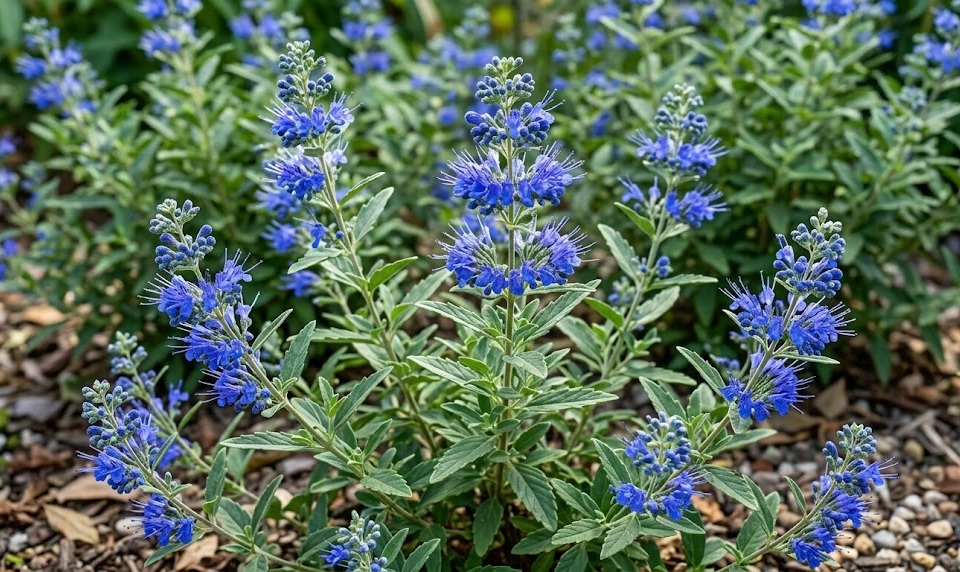
In summary, the goal of watering and fertilizing a bluebeard is to mimic its natural habitat as closely as possible. By providing deep, infrequent watering and modest amounts of nutrients, you encourage the plant to be strong, resilient, and productive. The reward for your restraint and careful observation is a beautiful, low-maintenance shrub that anchors the late-summer garden with its stunning blue hues. A professional gardener knows that the best results come from working with the plant’s natural tendencies rather than trying to force it into a different growth pattern.