
The art of bottom watering
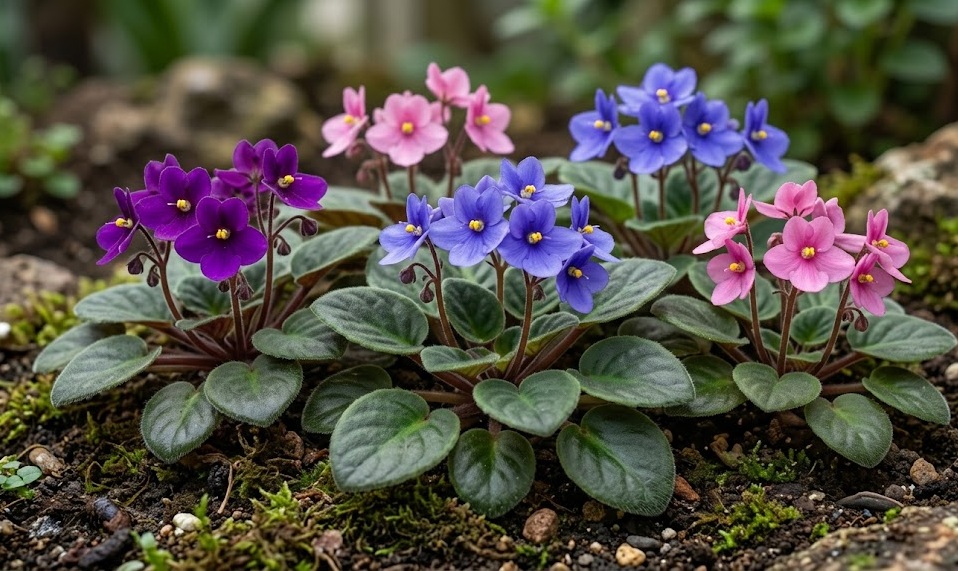
Mastering the technique of bottom watering is one of the most effective ways to keep your African violets healthy and vibrant over the long term. This method involves placing the pot in a shallow tray of room-temperature water and allowing the soil to wicking moisture upward through the drainage holes. It prevents water from getting onto the leaves and into the crown, which can lead to unsightly spots or devastating rot. You should let the plant sit in the water for about twenty to thirty minutes until the top of the soil feels slightly damp.
After the soil has absorbed enough moisture, it is absolutely essential to drain away any excess water from the tray. Allowing the plant to sit in standing water for hours or days will suffocate the roots and lead to a rapid decline in health. This controlled approach to hydration ensures that the entire root ball is evenly moistened without becoming waterlogged. Many professional growers prefer this method because it provides a consistent level of moisture that is difficult to achieve with top watering.
If you do choose to water from the top, you must use a narrow-spouted watering can to deliver the water directly to the soil surface. Be extremely careful to keep the foliage dry, as even a small drop of cold water can cause permanent cellular damage and white spotting on the leaves. If you accidentally get water on the leaves, use a soft tissue to blot it away immediately before it can cause any harm. Top watering can also help wash away any crusty mineral deposits that form on the surface of the soil over time.
Wick watering is another advanced technique where a synthetic cord is used to draw water from a reservoir below the pot directly into the soil. This system provides a constant, self-regulating supply of moisture that is ideal for people who travel or have a large collection to manage. You must use a very light, perlite-heavy soil mix with this method to ensure that the soil does not stay too wet and heavy. Properly implemented, wick watering can result in incredibly fast growth and heavy blooming because the plant never experiences water stress.
Water quality and temperature
The quality of the water you use can have a significant impact on the health and appearance of your African violet collection over time. You should always use water that is at room temperature or slightly warm to the touch to avoid shocking the sensitive root system. Cold water can cause the roots to contract and may lead to leaf curling or the development of “ring spots” on the foliage. Simply letting your watering can sit out overnight is an easy way to ensure the water is at the correct temperature for your plants.
More articles on this topic
Chlorine and chloramines found in many municipal water supplies can be irritating to African violets, though most plants can tolerate them in small amounts. If you notice that the tips of your leaves are turning brown or the plant seems stunted, you might try using filtered water or rainwater instead. Avoid using water from a home softening system, as it often contains high levels of sodium that can be toxic to these delicate plants. Pure spring water is often considered the gold standard for high-end indoor gardening because it is free of harsh chemicals.
Highly alkaline water can slowly raise the pH of your potting soil, making it difficult for the plant to absorb essential micronutrients like iron and manganese. You can periodically check the pH of your run-off water to ensure it stays within the ideal range of six point zero to six point five. If your water is very hard, you may see a white, crusty buildup of minerals on the rim of the pot or the soil surface. This buildup can burn the leaf stems where they touch the edge, so it should be wiped away regularly with a damp cloth.
Consistency in your watering schedule is just as important as the quality of the water itself for maintaining a healthy plant. African violets prefer to stay evenly moist, like a sponge that has been wrung out, rather than cycling through extremes of bone-dry and soaking-wet. Use your finger to check the moisture level an inch below the surface before you decide to add more water. Over time, you will develop a “feel” for the weight of the pot, which is a reliable indicator of how much moisture is left inside.
Essential nutrients for growth
Providing a balanced supply of nutrients is vital for the continuous growth and flowering of African violets in a soilless potting medium. These plants require three primary macronutrients: nitrogen for leafy green growth, phosphorus for strong roots and abundant blooms, and potassium for overall plant health. You should look for a fertilizer specifically formulated for African violets, often labeled with a balanced ratio like 20-20-20 or 12-36-14. Using a fertilizer with too much nitrogen can lead to a massive plant with plenty of leaves but very few flowers.
More articles on this topic
In addition to the primary macronutrients, your plants also need smaller amounts of secondary nutrients like calcium and magnesium, as well as various micronutrients. Elements like iron, zinc, and copper play supporting roles in the complex chemical reactions that allow the plant to thrive and resist disease. Most high-quality African violet fertilizers include these trace elements to ensure the plant has everything it needs for long-term success. If you notice yellowing between the veins of the leaves, it may be a sign of a specific micronutrient deficiency.
The form of nitrogen used in the fertilizer is also a technical detail that can affect the performance of your indoor garden. African violets prefer nitrogen in the form of nitrate or ammonium rather than urea, which is common in many general-purpose fertilizers. Urea requires certain soil bacteria to break it down, which may not be present in sufficient quantities in a sterilized soilless mix. Using a urea-free fertilizer ensures that the nitrogen is immediately available for the plant to use, leading to more predictable growth patterns.
Water-soluble fertilizers are the most popular choice because they are easy to apply and provide a quick boost to the plant’s metabolism. You can mix the fertilizer into your watering can according to the manufacturer’s instructions for a monthly application. However, many experts prefer a “constant feed” method where they use a very diluted amount of fertilizer every single time they water. This provides a steady stream of nutrients that prevents the “feast or famine” cycle and results in much more consistent blooming throughout the year.
Fertilization schedules and methods
Establishing a regular fertilization schedule is key to preventing nutrient deficiencies and ensuring your African violets have the energy to bloom. During the peak growing seasons of spring and summer, the plant’s demand for minerals is at its highest due to increased light and warmth. You should be diligent with your applications during this time to support the continuous development of new flower buds and healthy foliage. If the plant stops blooming or the new leaves appear smaller than usual, it may be time to increase the frequency of your feedings.
In the winter months, when the natural light levels drop and growth slows down, you should significantly reduce the amount of fertilizer you provide. Forcing a plant to grow rapidly when it doesn’t have enough light to photosynthesize can lead to weak, spindly stems and overall poor health. Some growers stop fertilizing entirely during the darkest eight weeks of the year to give their plants a natural rest period. Observing the growth rate of your individual plants will help you decide exactly when to pull back on the nutrients.
Before applying any fertilizer, always make sure the soil is already slightly moist to prevent the concentrated minerals from burning the sensitive root tips. If you apply liquid fertilizer to bone-dry soil, the salts can be absorbed too quickly, causing permanent damage to the cellular structure of the roots. This damage often manifests as brown, crispy edges on the leaves or a general wilting of the entire plant despite the soil being wet. A quick splash of plain water followed by the fertilizer solution a few minutes later is a safe and effective strategy.
Periodically flushing the soil with plain, room-temperature water is an important part of a professional fertilization program. Over several months, excess mineral salts from the fertilizer can build up in the potting mix, reaching levels that are toxic to the plant. You should pour clear water through the top of the pot until it runs freely out of the drainage holes, effectively washing away the accumulated residue. Doing this every three to four months keeps the root environment fresh and prevents the pH from shifting too far in either direction.
Correcting nutrient imbalances
Recognizing the early signs of nutrient imbalances allows you to intervene before the health of your African violet is seriously compromised. If you see the lower leaves turning yellow while the veins stay green, your plant might be suffering from a magnesium deficiency. Conversely, if the newest leaves at the center are distorted or unusually pale, it could indicate an issue with calcium or iron uptake. Most of these problems can be solved by switching to a more complete fertilizer or adjusting the pH of your water.
Over-fertilization is actually a more common problem than under-fertilization for many enthusiastic indoor gardeners. If you notice a white, salty crust on the soil surface or the clay pot, you are likely providing more minerals than the plant can actually use. Other symptoms include brittle, dark green leaves that are prone to cracking or a sudden stop in flower production. If you suspect over-fertilization, the best course of action is to flush the soil thoroughly and stop feeding for several weeks until the plant shows signs of recovery.
The relationship between light intensity and nutrient requirements is a technical balance that you must manage carefully. Plants in very bright light will process nutrients much faster than those kept in lower light conditions. If you move a plant to a sunnier spot, you should be prepared to increase its fertilizer intake to keep up with the faster metabolic rate. Similarly, plants grown under artificial lights for fourteen hours a day will need more frequent feedings than those relying on weak winter sun.
Finally, keep in mind that no amount of fertilizer can compensate for poor environmental conditions like low light or incorrect temperature. If your plant is not blooming, check the light levels and the age of the soil before you reach for a stronger fertilizer. Sometimes, simply repotting into fresh soil and moving the plant a few inches closer to the window is all that is needed to trigger a new flush of flowers. Professional plant care is about understanding how all these factors work together to create a thriving and beautiful living organism.