
Developing a precise irrigation and nutrition strategy is fundamental for anyone looking to maintain a professional-grade garden display. Perennial honesty, with its deep roots in European woodland habitats, has specific requirements that differ significantly from typical meadow or bedding plants. You must learn to balance the need for constant moisture with the necessity of providing a steady supply of essential nutrients. This guide will help you master these two critical aspects of plant care to ensure your garden remains a lush and healthy sanctuary.
Watering is not just about the quantity of liquid applied, but also about the timing and method of delivery. You should aim to water your plants early in the morning before the sun reaches its full strength and evaporation rates increase. This practice allows the moisture to penetrate deep into the soil where the roots can access it throughout the heat of the day. Using a soaker hose or a drip irrigation system can be much more efficient than overhead watering, as it delivers water directly to the root zone.
The frequency of irrigation will depend heavily on your local weather conditions and the type of soil in your garden. During the hot summer months, you might find that your plants need a deep watering at least twice a week to stay hydrated. In contrast, during the cooler and more humid spring or autumn periods, natural rainfall might be sufficient to meet their needs. You should always check the moisture level a few inches below the surface before deciding to turn on the tap.
Under-watering can lead to immediate visible stress, such as drooping leaves and a loss of general vigor. If the soil becomes too dry for extended periods, the plant may prematurely enter dormancy or fail to produce its iconic seed pods. You should also be aware that excessive watering can be just as damaging, potentially leading to root rot in poorly drained soils. Finding the “golden mean” of soil moisture is a skill that distinguishes an amateur from a professional horticulturalist.
Nutrient management and fertilization
Providing the right nutrients at the right time is essential for supporting the large leaves and tall flower spikes of this species. You should focus on organic amendments that provide a slow and steady release of nutrition over the entire growing season. Applying a generous layer of well-rotted garden compost or leaf mold around the base of the plants in early spring is an excellent starting point. This mimics the natural recycling of nutrients that occurs on the forest floor in the wild.
More articles on this topic
If you choose to use commercial fertilizers, it is important to select a product with a balanced NPK ratio. Excessive nitrogen can lead to lush, soft foliage that is more susceptible to pests and diseases, while lacking in structural strength. A fertilizer with a slightly higher phosphorus content can support strong root development and promote more abundant flowering. You should always follow the manufacturer’s instructions carefully to avoid over-fertilizing, which can burn the delicate roots.
Micronutrients are also important, though they are usually required in much smaller quantities than the primary elements. Elements like magnesium and iron play a key role in chlorophyll production and overall metabolic health. If you notice unusual leaf discolorations that do not improve with proper watering, a micronutrient deficiency might be the culprit. Using seaweed-based liquid feeds can be a great way to provide a wide range of these essential trace elements in an easily absorbable form.
Timing your fertilizer applications is just as important as the type of product you choose to use. You should ideally feed your plants in the spring as they are waking up from dormancy and again in the early summer before the main flowering period. Avoid applying high-nitrogen fertilizers late in the autumn, as this can stimulate soft new growth that will be easily damaged by the coming winter frosts. A professional approach involves working with the plant’s natural growth cycle rather than against it.
Monitoring plant response to water and food
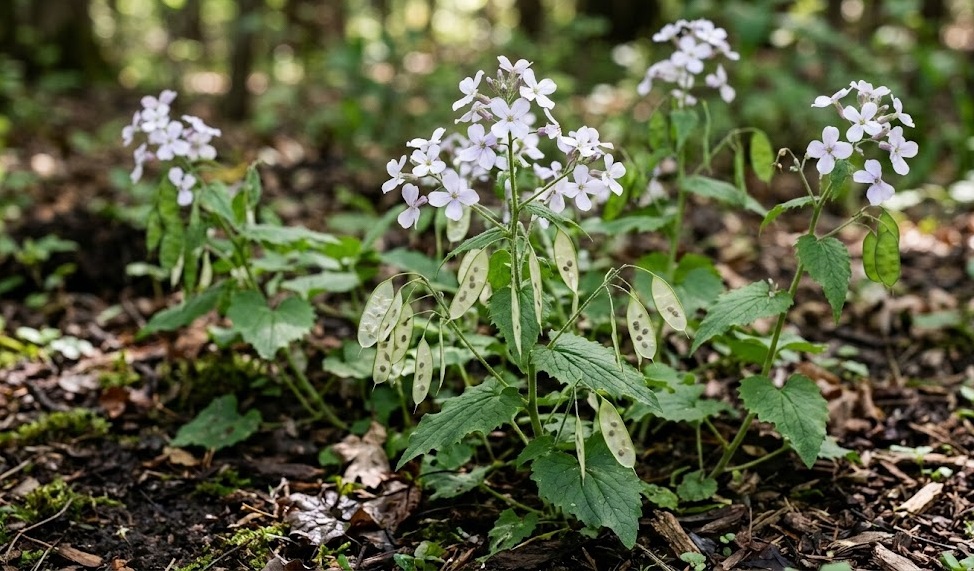
A professional gardener always keeps a close eye on the physical appearance of their plants to judge the effectiveness of their care routine. Healthy perennial honesty should have firm, deep green leaves and strong, upright stems that do not require excessive staking. If the leaves appear pale or yellowish, it might be a sign that the soil is depleted of nutrients or that the roots are struggling in waterlogged ground. Adjusting your watering or feeding schedule based on these observations is a key part of active plant management.
More articles on this topic
You should also pay attention to the speed of growth and the abundance of the flower display each year. A plant that is receiving the perfect balance of water and nutrients will produce a spectacular show of fragrant blooms and large, healthy seed pods. If the growth seems stunted or the flowers are sparse, you may need to reassess the quality of your soil or the frequency of your supplemental feeding. Keeping a simple log of your gardening activities can help you identify patterns and improve your results over time.
Soil pH also plays a hidden but vital role in how effectively your plants can take up the water and nutrients you provide. Perennial honesty prefers a neutral to slightly alkaline environment, which helps keep essential minerals available in the soil solution. If your soil is very acidic, the plants may suffer from nutrient lockout even if you are applying plenty of fertilizer. You can easily test your soil pH with a simple kit and apply garden lime if necessary to bring the levels into the ideal range.
The relationship between moisture and nutrition is dynamic, as water is the medium through which all nutrients enter the plant. If the soil is dry, the roots cannot absorb the minerals they need, no matter how much fertilizer you have applied. Conversely, overwatering can wash away soluble nutrients before the plant has a chance to utilize them. Maintaining a consistent level of soil moisture ensures that the “nutrient highway” remains open and functional throughout the growing season.
Advanced irrigation techniques
Mulching is one of the most effective professional tools for managing both soil moisture and temperature simultaneously. You should apply a three-inch layer of organic mulch, such as shredded bark or composted wood chips, around the base of your plants. This layer acts as an insulator, preventing the sun from baking the soil and reducing the amount of water lost to evaporation. As the mulch breaks down over time, it also adds valuable organic matter and nutrients back into the ground.
During periods of extreme drought, you might need to employ some advanced rescue watering techniques to save your established specimens. Slowly pouring water into a perforated pipe buried near the root zone can deliver moisture directly to the deeper roots without wasting a drop. You should focus on deep, infrequent watering rather than frequent light sprinkles, which only encourage shallow and vulnerable root growth. This “deep-soak” method builds a more resilient plant that can better withstand the challenges of a changing climate.
Collecting and using rainwater is another professional practice that is both environmentally friendly and better for your plants. Rainwater is usually slightly acidic and free from the chlorine and fluoride found in many municipal water supplies. Using a water butt to store rain from your roof ensures you always have a supply of high-quality water available for your most sensitive perennials. Your plants will often respond much more positively to this natural source of hydration compared to tap water.
Managing drainage is the final piece of the irrigation puzzle, as the goal is moist soil, not a swamp. If you notice water pooling around your plants after a heavy rain, you might need to improve the soil structure or create small drainage channels. Incorporating grit or expanding the planting bed can help move excess water away from the sensitive crowns of the plants. A professional landscape is designed to handle both the highs and lows of water availability with equal grace.
Long-term soil fertility and health
Building long-term soil fertility is a marathon, not a sprint, and it requires consistent effort every year. You should avoid the temptation to rely solely on fast-acting chemical fertilizers, which can degrade the soil structure over time. By focusing on organic matter and biological health, you create a self-sustaining system where the soil itself does most of the work for you. This approach leads to healthier plants that are naturally more resistant to the stresses of the environment.
The presence of diverse soil life, from microscopic fungi to earthworms, is the ultimate goal of a professional nutrition program. These organisms work in harmony with the plant roots to exchange nutrients for sugars in a complex and beautiful symbiotic relationship. You can support this hidden world by minimizing soil disturbance and avoiding the use of broad-spectrum chemical treatments. A healthy soil ecosystem is the best insurance policy you can have for the long-term success of your garden.
Observing how the surrounding plants are performing can also give you clues about the fertility of your overall garden environment. If your perennial honesty is thriving while other woodland plants are struggling, you may have found the perfect niche for this specific species. Conversely, if everything in the bed seems to be underperforming, it might be time for a comprehensive soil test and a major infusion of organic material. Professional gardening is about understanding these connections and acting on them with confidence.
In conclusion, mastering the art of watering and fertilizing is about paying close attention to the needs of the plant and the state of the soil. By providing consistent moisture and a steady supply of organic nutrition, you allow the perennial honesty to reach its full potential. Your reward will be a garden filled with the ethereal beauty of silver seed pods and the knowledge that you have created a truly professional growing environment. This dedication to the fundamentals of plant care is what makes a garden truly exceptional.