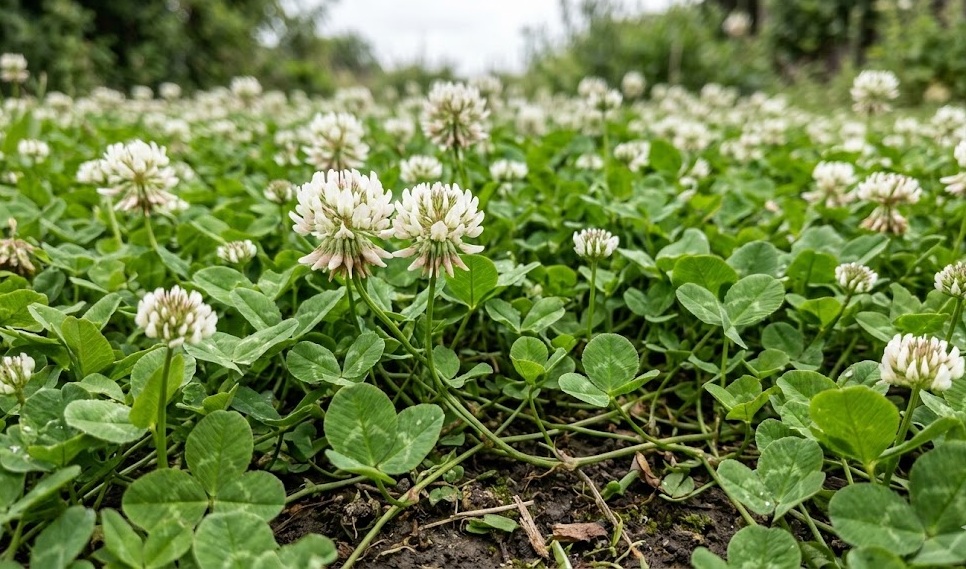

Effective irrigation and nutrient management are the twin pillars of a high-yielding and healthy clover stand. While white clover is often praised for its resilience, it requires a consistent supply of water to maintain its lush appearance and biological functions. The process of watering involves more than just hydration; it is about managing the soil’s moisture profile to support root depth. A professional approach ensures that water is used efficiently without wasting resources or damaging the soil structure.
The fertilization strategy for a legume like this is unique because of its symbiotic relationship with nitrogen-fixing bacteria. Instead of focusing on nitrogen, the grower must ensure that the soil provides the necessary minerals for these bacteria to thrive. This requires a shift in mindset from traditional grass management to a more ecologically balanced approach. Understanding the interaction between water and nutrients is essential for any professional agricultural or garden manager.
Chapter 1: Scheduling irrigation and moisture cycles
Determining the right time to water is a critical skill that directly impacts the health of the creeping stolons. The best practice is to irrigate in the early morning hours when evaporation rates are at their lowest. This allows the foliage to dry out during the day, which significantly reduces the risk of fungal infections. Watering late in the evening can leave the canopy wet for too long, creating an ideal environment for pathogens.
Soil sensors and professional weather data can be used to create a more precise irrigation schedule. Observing the physical appearance of the leaves, such as a slight bluish tint or wilting, can also signal a need for water. However, waiting for visible stress often means that the plant’s growth rate has already been negatively affected. A proactive schedule based on evapotranspiration rates ensures the stand stays in a state of continuous growth.
More articles on this topic
Deep watering is preferred over frequent shallow applications to encourage the development of a robust root system. When water penetrates deep into the soil profile, the roots follow, making the plant much more drought-tolerant. Shallow watering keeps the roots near the surface where they are vulnerable to heat and rapid drying. A professional grower aims to keep the top fifteen centimeters of soil consistently moist but not saturated.
During periods of active growth and flowering, the water demand of the stand increases significantly. The production of nectar and the expansion of stolons are both water-intensive processes for the plant. If moisture levels are allowed to drop too low during this time, the clover may enter a semi-dormant state to protect itself. Maintaining a steady supply of moisture ensures that the stand remains productive and serves its ecological or agricultural purpose.
Chapter 2: Calculating volume and distribution efficiency
The amount of water required by a clover stand depends on several factors, including soil texture and ambient temperature. Sandy soils drain quickly and require more frequent, smaller applications to maintain adequate moisture levels. Clay-heavy soils retain water longer but can easily become anaerobic if too much water is applied at once. Understanding the specific drainage characteristics of the site is essential for calculating the correct irrigation volume.
More articles on this topic
Uniform distribution is just as important as the total volume of water applied to the field. Areas that are missed by the irrigation system will quickly show signs of stress and may become patches for weed invasion. Regularly checking the sprinkler heads or irrigation lines for clogs and leaks is a standard part of professional maintenance. Using catch cans can help the grower verify that the entire area is receiving an equal amount of moisture.
Wind can significantly interfere with the distribution pattern of overhead irrigation systems. To minimize this effect, watering should be done during the calmest parts of the day or through drip systems where appropriate. Large-scale agricultural operations often use specialized equipment to ensure that every hectare receives the precise amount of water needed. This level of precision reduces water waste and ensures a more uniform crop across the entire land area.
Accounting for natural rainfall is a simple but effective way to improve the efficiency of the irrigation program. Installing a rain gauge and adjusting the schedule accordingly prevents over-watering and saves money on utility costs. Modern smart controllers can automatically pause the irrigation cycle when a certain amount of precipitation is detected. Integrating technology with traditional horticultural knowledge leads to the best results for both the plant and the environment.
Chapter 3: Mineral balance and fertilization strategies
Maintaining the correct mineral balance in the soil is the key to unlocking the full potential of white clover. Unlike many other plants, clover is a heavy user of phosphorus and potassium, which support root strength and overall vigor. A professional fertilization plan always begins with a comprehensive soil test to determine the existing nutrient levels. This prevents the over-application of minerals that are already present in sufficient quantities.
Phosphorus is particularly important during the establishment phase and when the plant is preparing for winter. It plays a vital role in energy transfer within the plant and supports the development of a dense stolon network. Potassium, on the other hand, helps the clover regulate its water use and enhances its resistance to diseases. Maintaining a balance between these two major nutrients is a core responsibility of the professional grower.
Micronutrients like molybdenum and boron are often overlooked but are essential for the nitrogen-fixation process. Even a slight deficiency in these trace minerals can significantly reduce the efficiency of the root nodules. If the soil test indicates a lack of these elements, they can be applied through specialized foliar sprays or soil amendments. This level of detailed nutrient management is what separates an expert grower from a casual hobbyist.
Timing the application of fertilizers should coincide with the periods of most active growth in the spring and autumn. Avoid applying heavy amounts of fertilizer during the peak of summer when the plant may be stressed by heat. Organic fertilizers, such as compost or well-rotted manure, can provide a slow-release source of nutrients while improving soil structure. This holistic approach supports a diverse soil microbiome and leads to a more sustainable management system.
Chapter 4: The role of natural nitrogen fixation
The most fascinating aspect of managing this species is its ability to convert atmospheric nitrogen into a form that plants can use. This process is carried out by specialized bacteria living in small nodules on the roots of the clover. A healthy clover stand can add a significant amount of nitrogen to the soil, benefiting any companion plants or future crops. Understanding how to support this natural process is a key part of professional nutrient management.
To keep the nitrogen-fixation process running at peak efficiency, the soil must be well-aerated and have a near-neutral pH. If the soil becomes too acidic or compacted, the bacteria will struggle to survive and perform their vital work. Growers should monitor the health of the root nodules periodically to ensure they are active and productive. Pink-colored nodules are a clear indicator that the nitrogen-fixing enzymes are working as they should.
One of the biggest mistakes a grower can make is applying too much synthetic nitrogen fertilizer to a clover stand. When there is an abundance of available nitrogen in the soil, the plant will stop supporting the bacteria in its roots. This causes the nodules to become inactive and eventually disappear, making the plant dependent on external inputs. A professional grower uses the minimum amount of nitrogen necessary to support initial growth without disrupting the natural cycle.
The nitrogen produced by the clover is released into the soil as the roots and leaves decompose over time. This creates a self-sustaining nutrient loop that reduces the overall need for external fertilization. In grazing systems, the nitrogen is recycled even faster through the waste of animals feeding on the clover. Managing this cycle effectively requires a deep understanding of soil biology and the long-term goals of the agricultural operation.
Chapter 5: Soil amendments and long-term vitality
Over time, the continuous growth of a clover stand can lead to a gradual depletion of certain soil minerals. Regularly adding soil amendments like agricultural lime can help maintain the ideal pH and provide a source of calcium. Calcium is essential for cell wall strength and plays a role in the plant’s ability to withstand mechanical damage. Keeping the soil chemistry stable ensures that the stand remains productive for many years without a decline in quality.
Organic matter is another critical component that should be managed through top-dressing or the use of organic mulches. High levels of organic matter improve the soil’s ability to hold onto both water and nutrients. This creates a more buffered environment that protects the clover from rapid changes in environmental conditions. A soil rich in organic material also supports a healthy population of earthworms and other beneficial soil life.
Compaction should be addressed periodically through mechanical aeration to ensure that air and water can reach the root zone. In high-traffic areas, the soil can become pressed down, making it difficult for the creeping stolons to root at the nodes. Aeration relieves this pressure and stimulates the growth of new, healthy roots and stems. This physical management of the soil environment is just as important as the chemical management of nutrients.
Finally, the long-term success of the watering and fertilizing program should be evaluated based on the density and color of the stand. A consistent, deep green color and a thick mat of leaves are the ultimate signs of a well-nourished and hydrated crop. Professionals keep detailed logs of their applications and the resulting plant responses to refine their techniques over time. This commitment to observation and adjustment ensures the continued health and productivity of the white clover.