
Proper hydration and nutrition are the twin pillars of success when managing a professional planting of western spicebush. While the plant is inherently sturdy, its performance is directly linked to the availability of water and essential minerals. In its native habitat, it relies on the consistent moisture found near flowing water and rich alluvial soils. Translating these natural requirements into a garden setting requires a nuanced understanding of irrigation and fertilization strategies.
Establishing a regular watering schedule is the first priority for any gardener who has recently planted this shrub. During the first two growing seasons, the plant lacks the deep root system needed to survive long periods of drought. You must check the soil moisture frequently, especially during the peak of summer when evaporation rates are at their highest. A deep soaking twice a week is generally more effective than frequent shallow applications of water.
As the spicebush matures, its ability to withstand temporary dry spells increases significantly, but it never becomes a truly drought-tolerant plant. It will always look its best when the soil is kept consistently moist but not overly saturated. Signs of water stress include drooping leaves and a loss of the characteristic deep green color in the foliage. Professional monitoring allows you to intervene before these symptoms lead to a decline in the plant’s overall health.
Automated irrigation systems can be a great asset for maintaining the health of large-scale plantings or professional landscapes. Drip irrigation is particularly recommended because it delivers water directly to the root zone and minimizes waste. This method also keeps the foliage dry, which can be an important factor in preventing certain types of leaf diseases. Setting a timer ensures that the plant receives its water during the early morning hours, which is the most efficient time for uptake.
Mastering the art of hydration
Water quality is a professional consideration that is often overlooked but can have a long-term impact on soil health. If your local water is very hard or contains high levels of chlorine, it may affect the pH of the soil over time. Using collected rainwater is often the best solution for sensitive native plants like the western spicebush. Rainwater is naturally soft and free from the chemicals often found in municipal supplies, making it the perfect choice for irrigation.
More articles on this topic
The technique of “deep watering” is essential for encouraging the roots to grow downward rather than staying near the surface. By applying a large volume of water slowly, you allow it to penetrate through the different layers of the soil. This creates a reservoir of moisture that the plant can tap into during the hottest parts of the day. A robust, deep root system is the best defense against environmental fluctuations and unpredictable weather patterns.
Mulching serves as a critical partner to irrigation by preventing moisture from escaping the soil surface. A thick layer of bark chips, leaf mold, or straw acts as an insulating blanket for the root zone. This not only keeps the soil cool but also suppresses weeds that would otherwise compete with the shrub for water. Over time, the mulch decomposes and contributes to the organic matter content of the soil, providing even more benefits.
During periods of extreme heat or prolonged drought, you may need to provide supplemental hydration to even established plants. Monitoring the weather forecast allows you to prepare for these events by giving the plant an extra deep watering in advance. Avoid watering the leaves directly in full sun, as the water droplets can act like tiny magnifying glasses and cause leaf scorch. Professional care is all about timing and understanding the natural rhythm of the plant’s needs.
Essential nutrients for vibrant growth
A professional fertilization program for the western spicebush should focus on supporting steady growth rather than forcing rapid expansion. This species does not require high levels of synthetic fertilizers to thrive if the soil is already healthy. Instead, the goal is to provide a balanced supply of nitrogen, phosphorus, and potassium throughout the growing season. An early spring application of a slow-release organic fertilizer is usually sufficient for most garden situations.
More articles on this topic
Nitrogen is responsible for the lush green growth of the leaves, while phosphorus supports strong root development and flowering. Potassium plays a key role in the plant’s overall metabolism and its ability to resist diseases and environmental stress. Using a fertilizer specifically designed for flowering shrubs will ensure that these elements are provided in the correct ratios. Always follow the manufacturer’s instructions to avoid the risks associated with over-application.
Organic amendments, such as well-rotted manure or compost, are excellent alternatives to chemical fertilizers. These materials not only provide nutrients but also improve the biological activity and physical structure of the soil. Applying a layer of compost around the base of the shrub each spring is a sustainable way to maintain fertility. This mimicry of the natural forest floor provides a complex range of micronutrients that synthetic products often lack.
Micronutrients like iron, magnesium, and calcium are also important, though they are needed in much smaller quantities. If the leaves of your spicebush begin to turn yellow while the veins remain green, it may be a sign of a mineral deficiency. In such cases, a professional soil test can help identify exactly what is missing and how to correct it. Often, a simple adjustment to the soil pH is all that is needed to make these minerals available to the plant again.
Timing and application of fertilizers
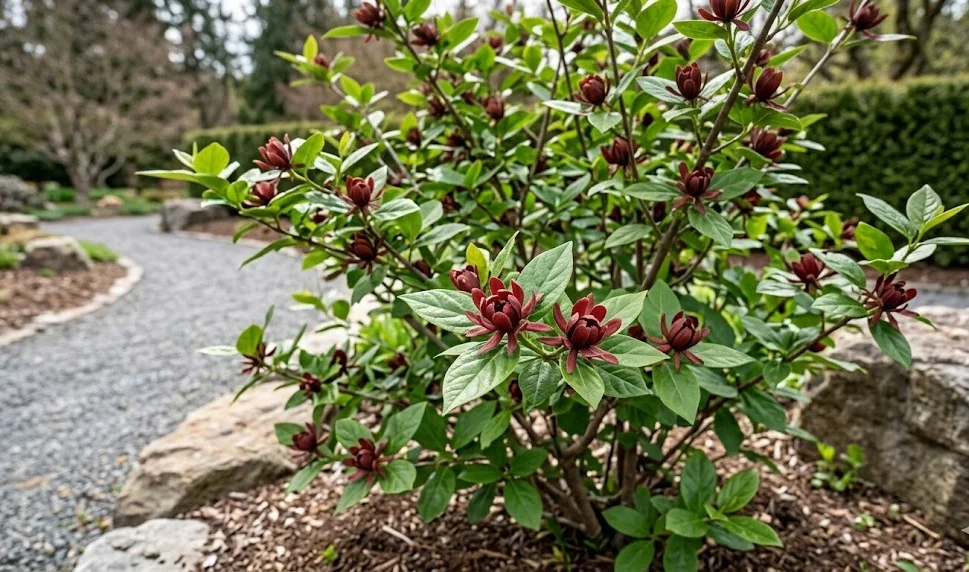
The timing of nutrient application is just as important as the type of fertilizer you choose to use. The first application should occur just as the new growth begins to emerge in the spring. This provides the energy required for the plant to produce its large leaves and unique maroon flowers. A second, lighter application can be made in early summer to sustain the plant through its most active period.
Avoid applying nitrogen-rich fertilizers late in the summer or early in the autumn, as this can stimulate new growth that won’t have time to harden. These tender shoots are very susceptible to frost damage and can weaken the entire shrub during the winter. The plant needs to slow down its metabolism as the days shorten and focus on storing energy in its roots. Professional gardeners always respect the natural dormancy cycles of the plants they care for.
When applying granular fertilizers, be sure to spread them evenly over the entire area under the canopy of the shrub. The feeder roots of the plant extend out at least as far as the branches, so the fertilizer should follow this pattern. Lightly scratch the granules into the surface of the soil and water the area thoroughly immediately afterward. This helps dissolve the nutrients and moves them down into the root zone where they can be absorbed.
Liquid fertilizers can be used for a quick boost if the plant appears to be struggling or showing signs of nutrient stress. These products are absorbed quickly by both the roots and the foliage, providing almost immediate results. However, they do not last as long in the soil as granular or organic options and must be reapplied more frequently. For long-term health, a combination of slow-release organic material and occasional liquid supplements is often the most effective strategy.
Monitoring and adjusting the program
Observation is the most powerful tool in your professional gardening toolkit when it comes to managing nutrition. Every plant is an individual, and its needs will vary based on its age, the soil type, and the local climate. By paying close attention to the color of the leaves and the rate of growth, you can fine-tune your approach. If the plant looks healthy and is flowering well, there is no need to increase the amount of fertilizer you are providing.
Over-fertilization can cause a variety of problems, including weak, spindly growth and an increased susceptibility to pests. It can also lead to a buildup of salts in the soil, which can eventually damage the sensitive roots of the spicebush. If you suspect you have overdone it, flush the soil with large amounts of fresh water to help wash away the excess nutrients. Professional care often involves doing less rather than more once a healthy balance has been achieved.
Soil pH should be checked every few years to ensure it remains within the slightly acidic to neutral range that the plant prefers. Changes in pH can occur naturally over time or as a result of the water and fertilizers you are using. If the soil becomes too alkaline, the plant may struggle to absorb certain minerals, leading to chronic health issues. Maintaining the correct chemical environment is a fundamental part of professional plant management.
Finally, remember that the goal of a watering and fertilizing program is to support a resilient and beautiful plant that can stand the test of time. By providing the right resources in a consistent and thoughtful manner, you create a foundation for success. The western spicebush will reward your professional efforts with years of stunning blooms and a presence that defines your garden. A well-nourished plant is always more capable of dealing with the challenges of the natural world.