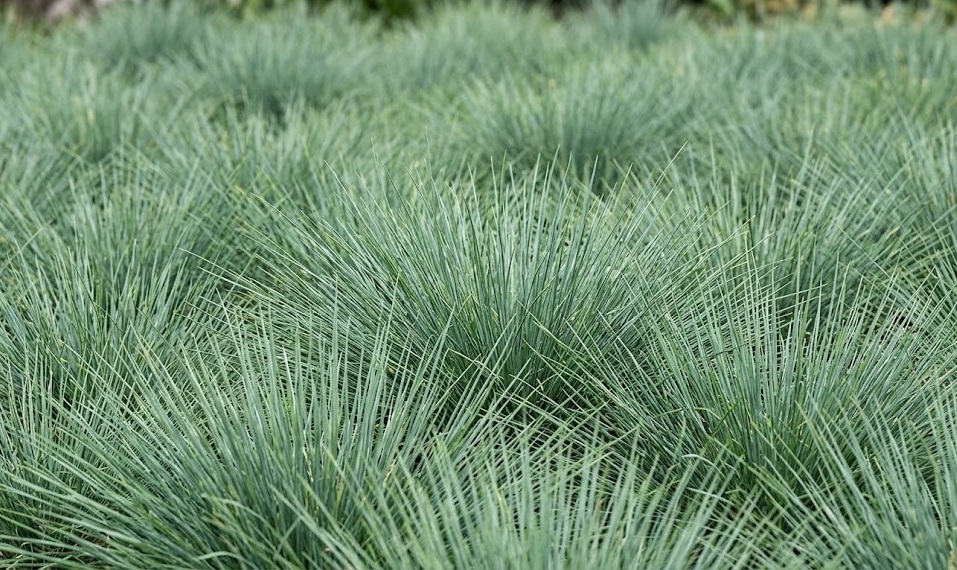

Proper irrigation and nutrient management are the two pillars that support a truly exceptional and professional lawn. You should understand that this grass variety is naturally efficient, but it still requires your strategic help to look its best. Balancing the amount of water and fertilizer you apply prevents common issues like leaching or nutrient runoff into the environment. By mastering these two elements, you can ensure your green space remains vibrant and healthy even during tough conditions.
Irrigation principles and water conservation
Watering your lawn is an art that requires you to pay close attention to the specific needs of the soil and the plants. You should always aim to water deeply and infrequently rather than giving the grass a light sprinkle every single day. This approach encourages the roots to grow deep into the ground, which makes the plants much more resilient. Deep roots can access moisture stored lower in the soil profile even when the surface is dry.
The best time of day for irrigation is in the early morning before the sun becomes too intense and causes evaporation. You will find that watering at this time allows the grass blades to dry quickly, which reduces the risk of fungal diseases. Avoid watering in the late evening, as moisture sitting on the leaves overnight can create the perfect environment for pathogens. A professional schedule respects the natural cycle of the plants and the local weather patterns.
Monitoring the moisture levels in the soil can be done simply by using a screwdriver or a specialized soil probe. You should be able to push the tool easily into the earth if there is enough moisture for the roots. If the ground is hard and resistant, it is a clear sign that the lawn needs a thorough soaking. Paying attention to these physical cues is more effective than relying solely on a mechanical timer that doesn’t account for rain.
Conserving water is a responsibility that every modern gardener should take seriously when managing their landscape. You can use rain barrels to collect natural precipitation and use it for your irrigation needs whenever possible. Selecting drought-tolerant species like this fescue is already a great start toward a more sustainable garden. Every gallon of water you save helps protect our precious natural resources while keeping your lawn beautiful.
More articles on this topic
Managing drought and heat stress
During prolonged periods of dry weather, you should observe your lawn closely for the first signs of water stress. You might notice that the grass takes on a bluish-gray tint or that footprints remain visible long after you have walked across it. These are visual signals from the plants that they are trying to conserve moisture and need your intervention. Acting quickly when these signs appear can prevent the grass from entering a severe dormant state.
When the heat is extreme, the plants naturally slow down their growth to protect their internal systems from damage. You should respect this natural rhythm by avoiding any heavy maintenance or fertilization during heatwaves. Providing a bit more water than usual can help the plants stay cool through the process of transpiration. However, you must still ensure that the water is soaking in rather than just running off the hard surface.
Mulching your grass clippings back into the turf is a professional secret for maintaining moisture during the summer months. These small pieces of organic matter act like a tiny blanket that shades the soil and reduces evaporation. They also break down quickly, providing a slow and natural source of moisture and nutrients for the roots. This simple habit can make a significant difference in how your lawn handles the toughest parts of the year.
If the drought becomes too severe, you might have to accept that the grass will go dormant to survive the conditions. You should not worry if the lawn turns brown, as this is a natural protective mechanism for this hardy species. Once the rain returns and temperatures cool down, the grass will green up again surprisingly quickly. Trusting in the natural resilience of the plants is part of being a professional and patient gardener.
More articles on this topic
Nutrient requirements and soil health
Providing the right nutrients at the right time is essential for maintaining the strength and color of your fescue. You should start by understanding that this variety does not require as much nitrogen as some other lawn grasses. Over-fertilizing can lead to excessive top growth at the expense of root development, which makes the plants weaker. A professional approach focuses on balanced nutrition that supports the entire plant from the roots up.
Phosphorus and potassium are just as important as nitrogen for the long-term health of your garden soil. Potassium helps the plants regulate their water usage and improves their ability to withstand cold and heat. Phosphorus is critical during the early stages of growth to help establish a strong and expansive root system. Using a fertilizer that contains these essential elements in the correct proportions will give you the best results.
Organic fertilizers are often a better choice for home gardens because they release their nutrients slowly over time. You will find that they also improve the overall structure of the soil by encouraging the growth of beneficial microorganisms. These tiny helpers break down organic matter and make nutrients more accessible to the grass roots. Building healthy soil is a long-term investment that pays off in a more beautiful and resilient lawn.
You should always apply fertilizers to a dry lawn and then water them in lightly to ensure they reach the root zone. This prevents the granules from sticking to the grass blades and causing chemical burns on the delicate tissue. Be careful to avoid getting fertilizer on hard surfaces like driveways or sidewalks where it could wash into storm drains. Professionalism in gardening includes being mindful of how your actions affect the broader environment.
Application timing and seasonal schedules
The timing of your fertilizer applications should be closely coordinated with the natural growth spurts of the grass. You should prioritize feeding the lawn in the early autumn when the plants are building up energy for the winter. This late-season boost helps the roots grow strong and ensures a quick green-up when spring arrives. A second light application in the late spring can support the grass through the early part of the growing season.
Avoid applying heavy amounts of fertilizer during the peak of summer when the grass is already under stress from heat. You should also wait until the ground has thawed in the spring before starting your nutrient management routine. Frozen soil cannot absorb the fertilizer, which leads to waste and potential pollution of local water sources. Following the natural calendar of the plants ensures that your efforts are as effective as possible.
The specific needs of your lawn might change from year to year depending on the weather and soil conditions. You should remain flexible and adjust your schedule based on the actual appearance and growth of the grass. If the lawn looks vibrant and healthy, you might be able to skip an application and save time and resources. Observation is the most powerful tool in your gardening kit when it comes to nutrient management.
Keeping a simple record of when and what you applied to your lawn will help you refine your technique over time. You can note down how the grass responded to different products and application rates in your garden journal. This information allows you to create a personalized schedule that is perfectly tuned to your local environment. Over time, you will develop a professional instinct for exactly what your fescue needs to thrive.
Soil amendments and long term care
Sometimes, providing water and fertilizer is not enough to solve underlying issues with the health of your soil. You should consider using amendments like lime or sulfur if your soil test indicates that the pH level is out of the ideal range. Correcting the acidity of the soil allows the plants to take up the nutrients that are already present in the ground. This structural adjustment can have a much bigger impact than simply adding more fertilizer.
Adding a thin layer of high-quality compost as a top-dressing can work wonders for the vitality of an aging lawn. You should spread the material evenly and rake it into the surface so it can reach the soil level. This practice adds fresh organic matter and beneficial biology back into the system without disturbing the existing grass. It is a professional technique used to rejuvenate tired lawns and improve their overall resilience.
Aeration is another critical task that improves the effectiveness of both your watering and fertilizing efforts. You should use a core aerator to remove small plugs of soil and allow air and water to penetrate deeper into the ground. This process relieves compaction and creates space for new roots to grow and expand. Performing this task once a year or every other year will keep your soil healthy and your grass vibrant.
Finally, remember that the goal of watering and fertilizing is to support a natural and healthy living system. You should strive for a balance where the plants are strong enough to take care of themselves with minimal intervention. A professional gardener knows that the best results come from working with nature rather than trying to control it completely. Your dedication to these fundamental tasks will ensure a stunning and sustainable landscape for years to come.