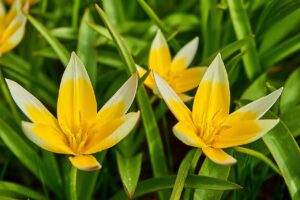

Proper hydration and nutrition are the two pillars of health for any ornamental or agricultural crop in a professional setting. While these golden-flowered perennials are known for their rugged nature, they reach their peak beauty when given a consistent and balanced regimen. Understanding the specific needs of the plant at different stages of its life will help you avoid common pitfalls. This article explores the best practices for managing water and nutrients to ensure your garden remains a vibrant and healthy ecosystem.
Developing a watering schedule that responds to the actual needs of the soil is much more effective than following a rigid calendar. You should always check the moisture level a few inches below the surface before deciding to add more water to the garden. If the soil feels dry to the touch, it is time to give the plants a deep and thorough soaking. Deep watering encourages the roots to grow downward, which makes the plant more resilient to future periods of dry weather.
Morning is the best time of day to apply water to your garden beds because it allows the foliage to dry before evening. When leaves remain wet overnight, they are much more likely to develop fungal issues such as powdery mildew or leaf spot. If you must water later in the day, try to apply it directly to the base of the plant to keep the leaves as dry as possible. A professional approach to irrigation focuses on delivering water exactly where the plant can use it most effectively.
Environmental conditions such as temperature, wind, and humidity will all influence how quickly your garden loses moisture to the atmosphere. On hot and windy days, you may need to increase the frequency of your watering to prevent the plants from wilting. Conversely, during cool or rainy periods, you should scale back to avoid creating waterlogged conditions that could harm the roots. Staying observant and adaptable is the key to maintaining the perfect balance of moisture in your landscape.
Mulching is a highly recommended practice that works in tandem with your watering routine to preserve soil health. A layer of organic material such as shredded bark or compost helps to slow down evaporation and keep the root zone cool. As the mulch breaks down over time, it also adds valuable organic matter and nutrients back into the earth. Applying mulch is a simple yet professional way to improve the efficiency of your irrigation and the overall vigor of your plants.
More articles on this topic
Hydration during early growth
When you first introduce new plants or seedlings into the garden, their water requirements are much higher than those of established specimens. The small root systems are not yet capable of reaching moisture deep in the ground, so they rely on the upper layers of soil. You should aim to keep the area around the base of the plants consistently moist but not saturated during the first few weeks. Checking the garden every day during this period will help you catch any signs of stress before they become critical.
As the young plants begin to grow and establish themselves, you can gradually increase the amount of water applied while decreasing the frequency. This transition encourages the roots to expand and seek out moisture further away from the main stem of the plant. You will notice that the plants become more robust and less prone to wilting as they build a stronger connection with the soil. This early investment in careful watering will lead to a much more self-sufficient plant as the season progresses.
Using a gentle spray or a drip irrigation system is better for young plants than a heavy stream of water that could wash away the soil. You want to avoid disturbing the roots or damaging the tender new foliage as you provide the necessary hydration. Drip systems are particularly professional because they deliver water slowly and directly to the root zone, minimizing waste and foliage moisture. If you are watering by hand, take your time and ensure that the water is soaking in rather than running off the surface.
Monitoring the growth of the foliage can give you clues about whether your watering strategy is meeting the needs of the young plants. If the new leaves are small and pale, it might be a sign that the plant is struggling to take up enough water and nutrients. On the other hand, overly lush and soft growth can sometimes be a sign of too much water or nitrogen. Finding that middle ground is the goal of every experienced gardener who wants to see their plants reach their full potential.
More articles on this topic
Summer watering strategies
The heat of summer presents the greatest challenge for maintaining adequate moisture levels in any outdoor planting. During these months, the sun’s intensity can quickly dry out the soil, leading to stress and reduced flowering performance. You should focus on deep watering sessions that reach at least six inches into the ground to sustain the plants through the hottest days. This method is far superior to frequent shallow watering, which only encourages roots to stay near the surface where they are vulnerable.
If you notice your plants wilting slightly in the late afternoon, do not panic immediately as this is often a natural defense mechanism against the heat. Check the plants again in the early morning; if they have recovered and look turgid, they may not need immediate watering. However, if they still look limp when the sun comes up, it is a clear signal that the soil is depleted of moisture. Learning to distinguish between temporary heat stress and true dehydration is an important skill for any professional gardener.
Potted plants and those in raised beds will dry out much faster than those planted directly in the ground. If you have these flowers in containers, you may need to water them every single day, or even twice a day during an extreme heatwave. Ensure that the pots have good drainage holes so that excess water can escape and prevent the roots from sitting in a pool of water. Using larger containers can also help, as the greater volume of soil holds moisture for a longer period of time.
Automated irrigation systems can be a lifesaver during a busy summer, but they should never be left to run without regular supervision. You should check the system periodically to ensure that all the emitters are working correctly and that the water is reaching the intended areas. Adjust the timer according to the weather conditions, making sure to turn it off or reduce it when rain is in the forecast. Combining technology with personal observation is the most professional way to manage a large or complex garden.
Soil moisture management
Understanding the texture and structure of your soil is essential for managing moisture effectively over the long term. Clay soils hold onto water for a long time but can be difficult to re-wet once they have completely dried out and cracked. Sandy soils, conversely, drain very quickly and require more frequent watering to keep the plants from becoming stressed. By knowing what type of earth you are working with, you can tailor your watering habits to provide the best possible environment.
Adding organic matter like compost or well-rotted manure is the best way to improve the water-holding capacity of any soil type. In sandy soils, the organic particles act like tiny sponges that hold onto moisture and nutrients for the roots to access. In clay soils, organic matter helps to create spaces between the particles, improving drainage and preventing the ground from becoming waterlogged. This long-term approach to soil health is a fundamental part of professional agricultural and horticultural practice.
The use of moisture meters can provide a scientific way to check the condition of your garden beds without any guesswork. These simple tools are inserted into the ground and give a reading of how much water is available to the roots of your plants. While they are not strictly necessary, they can be very helpful for beginners or for managing large areas where conditions might vary. Using data to inform your gardening decisions is a great way to improve your efficiency and the health of your landscape.
Surface crusting is a common issue where a hard layer forms on top of the soil, preventing water from soaking in effectively. You can prevent this by keeping the soil covered with mulch or by gently breaking up the surface with a hand tool before watering. If you see water running off the bed rather than sinking in, it is a sign that you need to address the soil structure or the speed of application. A professional gardener ensures that every drop of water counts by managing the surface of the soil carefully.
Nutrient application methods
Fertilizing is about providing the right elements at the right time to support the natural growth cycle of the flowering plants. A balanced, slow-release fertilizer applied in the early spring is often all that is needed to sustain the plants through the entire season. You should look for a product that contains nitrogen for leaf growth, phosphorus for blooms and roots, and potassium for overall plant health. Following the recommended application rates on the package is crucial to avoid over-feeding and potential damage.
Liquid fertilizers offer a quick boost of nutrients that can be very helpful if the plants are showing signs of deficiency or if you want to encourage a second flush of blooms. These are typically mixed with water and applied to either the soil or the foliage, depending on the specific product. Be aware that the effects of liquid fertilizers are short-lived, so they may need to be reapplied every few weeks for consistent results. This method is excellent for targeted feeding of specific plants that need a little extra attention.
Organic fertilizers such as fish emulsion, seaweed extract, or bone meal are professional choices that support the health of the entire soil ecosystem. These products break down more slowly than synthetic versions, providing a steady and sustainable supply of food for the plants. They also help to improve the biological activity in the ground, which leads to better nutrient availability over time. Many experienced gardeners prefer organic options because they are gentler on the environment and the plants.
The timing of your fertilizer application can make a big difference in how the plant responds and how many flowers it produces. You should avoid fertilizing late in the season, as this can encourage new, tender growth that might be damaged by the first frost. Instead, focus your efforts on the spring and early summer when the plant is most active and can use the extra energy. A professional nutrient management plan is always aligned with the natural rhythm of the changing seasons.
Signs of over and under feeding
Learning to read the leaves of your plants will tell you a lot about their nutritional status and whether your fertilizing program is working. If the leaves are dark green and the plant is growing excessively without many flowers, you may be providing too much nitrogen. This can lead to weak stems that are more prone to pests and diseases, so it is best to reduce the amount of fertilizer used. Balance is key to achieving a professional-looking garden that is both beautiful and structurally sound.
A lack of nutrients often manifests as pale or yellowing foliage, particularly on the older leaves at the bottom of the plant. If the growth is stunted and the flowers are small or infrequent, it is likely a sign that the plant needs more food. You can address this by adding a balanced fertilizer or top-dressing the area with a fresh layer of nutrient-rich compost. Observing these changes early will allow you to make small adjustments that can quickly bring the garden back to health.
Burned leaf edges or a sudden drop in leaves can sometimes be a sign of fertilizer burn, which happens when too many salts build up in the soil. This is often a result of using concentrated synthetic products without enough water to help them disperse. If you suspect this has happened, you can try to flush the soil with plenty of fresh water to wash away the excess chemicals. Being careful and conservative with your applications is the best way to prevent this kind of stress in a professional setting.
Consistent record-keeping will help you track which fertilizers you have used and how the plants responded to different treatments over the years. You might find that some varieties are more heavy feeders than others or that your soil naturally lacks certain elements. By refining your approach based on past experiences, you can develop a highly effective and professional maintenance routine. Every garden is a unique environment, and your personal observations are the most valuable data you have for achieving success.