
Hydration and nutrition form the two pillars of physiological health for any perennial growing in a managed landscape. While this species is relatively drought-tolerant once established, it still requires a consistent supply of moisture to produce its best floral display. Understanding the balance between providing enough water and avoiding saturated conditions is the mark of a professional gardener. A well-nourished plant not only looks better but is also far more capable of resisting environmental stressors and common pathogens.
The timing of your watering routine can have a significant impact on how effectively the plant utilizes the moisture. Early morning is the ideal time to irrigate because it allows the foliage to dry out before the sun reaches its peak intensity. This practice reduces the risk of leaf burn and prevents the growth of fungal spores that thrive in damp, dark conditions. If you must water in the evening, try to apply the water directly to the soil rather than over the leaves.
Monitoring the moisture levels in the root zone is far more accurate than simply looking at the surface of the soil. You should use a moisture meter or simply your finger to check the dampness a few inches below the surface. If the soil feels dry at that depth, it is time to provide a deep and thorough soaking. This method encourages the roots to grow deeper into the earth, which makes the plant more resilient during prolonged dry spells.
Fertilization should be viewed as a supplement to healthy soil rather than a primary source of life for the plant. Over-fertilizing can lead to excessive foliage growth at the expense of flowers and can even weaken the stems. Use a balanced, slow-release product that provides a steady stream of nutrients over several weeks or months. Proper application ensures that the plant has the energy it needs without forcing it into a state of unnatural and unstable growth.
Hydration cycles and moisture retention
Establishing a regular hydration cycle helps the plant maintain a steady internal pressure and supports the transport of minerals. During the first year of growth, you should water more frequently to help the root system expand into the surrounding soil. Once the plant is established, you can gradually reduce the frequency and increase the volume of each watering session. Deep, infrequent watering is always superior to light, daily sprinkling because it targets the lower root zone.
More articles on this topic
The physical properties of your soil will dictate how often you need to revisit the garden with a hose or irrigation system. Sandy soils drain very quickly and will require more frequent attention during the hottest parts of the summer. Conversely, clay soils hold onto water for a long time and can easily become anaerobic if you over-water them. Adjusting your schedule based on the soil type is essential for maintaining the delicate balance of air and water in the root zone.
Mulching is a professional’s best friend when it comes to managing moisture levels in a perennial border. A thick layer of organic mulch acts like a sponge, soaking up excess water and releasing it slowly back into the earth. It also shades the soil surface, which significantly reduces the rate of evaporation during the afternoon heat. By keeping the roots cool and damp, you create a much more stable environment for the plant to thrive in.
Environmental factors like wind and high temperatures will also increase the plant’s demand for water through transpiration. On particularly breezy days, the leaves can lose moisture faster than the roots can pull it from the ground. You might notice some temporary wilting in the late afternoon, which is often a natural protective response by the plant. If the foliage does not recover by the next morning, it is a clear signal that the soil moisture is critically low.
Balanced nutrition for vibrant blooms
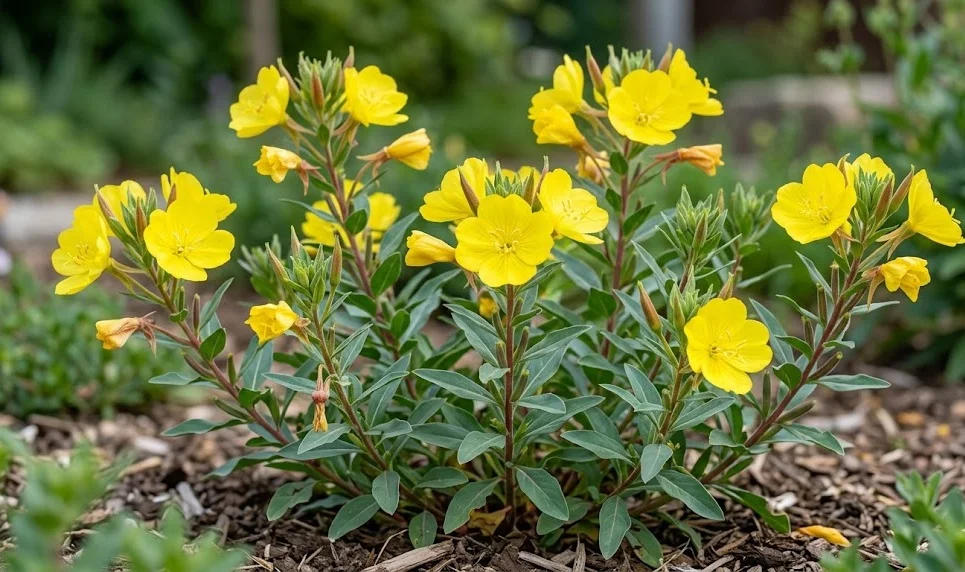
Providing the right mix of nutrients is essential for the development of both the green foliage and the golden yellow flowers. Nitrogen is responsible for the lush growth of the leaves, while phosphorus and potassium support root development and blooming. A fertilizer with an equal ratio of these three elements is usually sufficient for general maintenance in most garden soils. You should avoid high-nitrogen formulas in late summer as they can stimulate tender growth that is susceptible to frost.
More articles on this topic
The best time to apply fertilizer is in the early spring just as the new growth begins to emerge from the crown. This timing aligns the availability of nutrients with the plant’s highest period of demand during its initial spring surge. You can broadcast the granules around the base of the clump and lightly scratch them into the surface of the soil. Always water the area immediately after fertilizing to help dissolve the minerals and carry them down to the roots.
Organic fertilizers like compost or well-rotted manure provide a more holistic approach to plant nutrition compared to synthetic options. These materials not only provide essential minerals but also improve the overall health and structure of the soil. They foster a diverse community of beneficial soil organisms that help protect the plant from certain soil-borne diseases. Top-dressing with an inch of high-quality compost every year is often all the fertilization this subspecies requires.
You should always follow the manufacturer’s instructions regarding the application rates for any commercial fertilizer product. Using too much can lead to salt buildup in the soil, which can actually prevent the roots from taking up water. If you notice the tips of the leaves turning brown or curling, it could be a sign of fertilizer burn. Flushing the area with plenty of clean water can help wash away the excess salts and allow the plant to recover.
Soil amendments and organic matter
Improving the quality of your soil is a long-term investment that pays dividends in the health and beauty of your plants. If you start with poor, rocky, or heavily compacted earth, you will need to spend more time on soil amendments. Incorporating peat moss, leaf mold, or aged wood chips can transform a difficult site into a productive garden bed. These materials increase the pore space in the soil, which allows for better oxygen exchange and root penetration.
Humic acids and other natural soil conditioners can also be used to enhance the efficiency of your fertilization program. These substances help bind nutrients to the soil particles, preventing them from being washed away by rain or irrigation. They also make it easier for the plant to absorb minerals that might otherwise be locked in a form it cannot use. Professional landscapers often use these products to give new plantings an extra advantage during the establishment phase.
Green manures and cover crops are sometimes used in larger agricultural settings to restore soil health between planting cycles. While this is less common in a flower garden, the principle of adding organic matter back into the earth is universal. You can simulate this by leaving some of the plant debris on the soil surface to decompose naturally over the winter. This cycle of decay and rebirth is the most natural way to maintain a fertile and living growing environment.
The pH level of the soil also affects the availability of nutrients to the plant’s root system. If the soil is too alkaline, certain micronutrients like iron can become chemically bound and unavailable to the plant. You can use elemental sulfur or acidifying fertilizers to lower the pH if your soil test indicates it is necessary. Maintaining a balanced soil chemistry ensures that the plant has access to the full spectrum of minerals it needs.
Recognizing deficiencies and toxicities
Visual cues from the plant can often tell you more about its nutritional state than a laboratory test ever could. If the older leaves are turning yellow while the veins remain green, the plant might be suffering from a magnesium deficiency. Conversely, if the new growth is pale and stunted, it might indicate a lack of nitrogen or sulfur in the soil. Learning to read these signs allows you to adjust your care routine before the problem becomes severe.
Toxicities can also occur if certain minerals are present in excessive amounts or if the soil pH is extremely low. Aluminum toxicity is a common problem in very acidic soils and can cause the roots to become thick and brittle. If you suspect a toxicity issue, the first step should be to test the soil and identify the specific mineral involved. Correcting the soil pH is usually the most effective way to manage these types of chemical imbalances.
The overall texture and color of the foliage should be consistent across the entire clump of plants. Any sudden changes in the appearance of the leaves should be investigated to rule out environmental or nutritional causes. Healthy plants have a certain luster and resilience that is hard to miss when they are properly cared for. Keeping a close watch on your garden allows you to spot these subtle shifts in plant health early on.
Sometimes environmental stress can mimic the symptoms of a nutrient deficiency, making diagnosis more difficult. For example, over-watering can cause the leaves to turn yellow, which might be mistaken for a lack of nitrogen. Before you apply more fertilizer, ensure that the irrigation schedule and drainage conditions are optimal for the plant. A holistic view of the plant’s environment is necessary to accurately identify and solve any growth problems.
Sustainable irrigation practices
Moving toward a more sustainable approach to watering involves using modern technology and traditional wisdom. Drip irrigation systems are highly efficient because they deliver water directly to the root zone with almost no waste. These systems can be put on a timer to ensure the plants receive a consistent amount of moisture regardless of your schedule. Using a rain sensor can further improve efficiency by preventing the system from running when it is already raining.
Rain barrels are an excellent way to collect and store natural soft water for use in your garden during dry spells. Rainwater is generally better for plants than treated tap water because it does not contain chlorine or fluoride. It also tends to have a slightly acidic pH, which many perennial species find more favorable for growth. Integrating a collection system into your garden design is a simple way to reduce your environmental footprint.
Zoning your garden by water needs, also known as hydrozoning, is another professional technique for managing resources. Group plants with similar requirements together so that you can provide the right amount of water without over-treating others. This subspecies fits well into a mid-water zone where it can handle some drying out between sessions. Organizing your landscape this way makes maintenance much easier and prevents many common plant health issues.
Finally, remember that the most sustainable practice is to choose plants that are naturally adapted to your local climate. This subspecies is native to many parts of North America and is well-suited to the natural rainfall patterns of the region. By working with the plant’s natural tendencies, you can create a beautiful garden that requires very little intervention. Observing how the plant thrives on its own will teach you everything you need to know about its care.