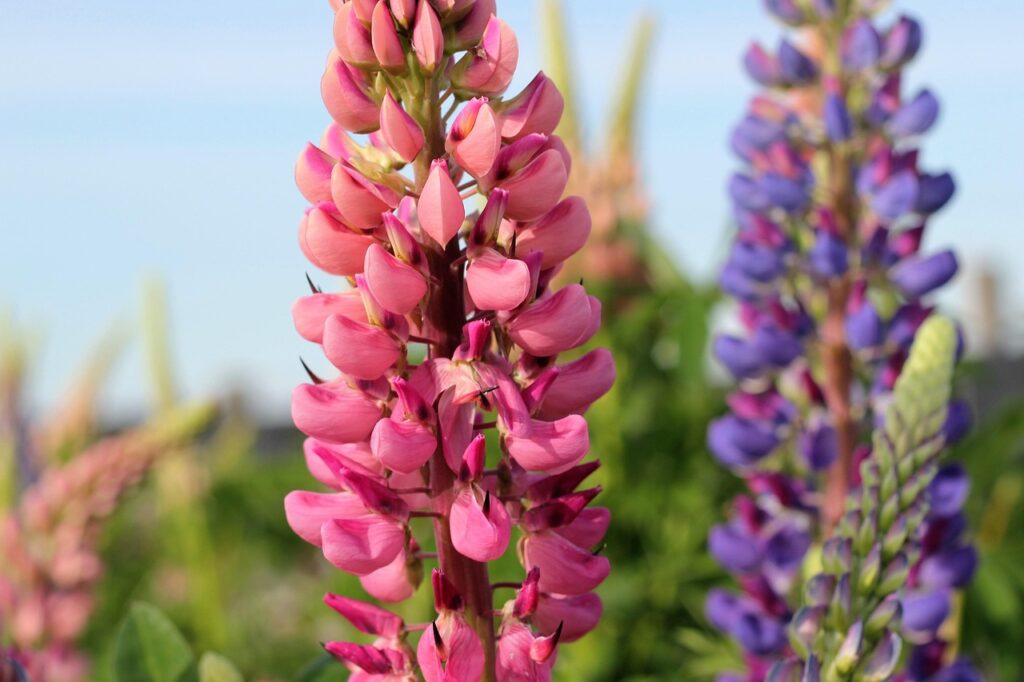

Proper hydration and nutrient management are the twin pillars of a successful garden strategy for these iconic perennials. You must develop a keen eye for the subtle signs of thirst and hunger to maintain the peak health of your plants throughout the growing season. While they are relatively hardy, the way you deliver water and food can make the difference between a mediocre display and a breathtaking one. This professional guide will detail the specific requirements for keeping your soil and plants in optimal condition.
Watering is more than just a chore; it is a vital practice that requires an understanding of soil physics and plant physiology. You should aim for a strategy that encourages deep root growth, which in turn makes the plant more resilient to environmental stress. Surface watering often leads to shallow roots that are easily damaged during a hot spell or a period of dry weather. Learning to read the moisture levels of your soil will help you time your interventions perfectly.
Fertilization should be approached with a “less is more” mindset to avoid disrupting the natural balance of the plant. You will find that these specimens are quite efficient at gathering nutrients, especially when the soil biology is healthy and active. Over-feeding can actually lead to structural weaknesses and a higher susceptibility to pests and diseases. The goal is to supplement the natural fertility of the soil without overwhelming the plant’s internal systems.
As the season progresses, the needs of your plants will shift in response to the changing light levels and temperatures. You should be prepared to adjust your watering and feeding schedule to match these biological demands. During the peak of the flowering season, the energy requirements are at their highest, and consistent care is most critical. By providing the right resources at the right time, you can ensure that your garden remains a vibrant and healthy environment.
The balance of hydration
Finding the “sweet spot” for moisture is essential because both drought and waterlogging can be fatal. You should aim to keep the soil consistently moist but never saturated, especially during the active growing phase. A simple finger test can tell you a lot; if the top inch of soil feels dry, it is usually time to provide more water. Overwatering is a common mistake that can lead to oxygen deprivation in the root zone and the eventual decline of the plant.
More articles on this topic
The type of soil you have will significantly influence how often you need to bring out the garden hose. You will find that sandy soils lose moisture quickly and may require more frequent, lighter applications of water. Clay soils, on the other hand, hold onto water for a long time and require a more cautious approach to prevent stagnation. Understanding your soil’s unique properties allows you to tailor your watering routine to provide exactly what is needed.
During the establishment phase of young plants, hydration is even more critical for survival and growth. You should check newly planted seedlings daily to ensure their small root balls do not dry out in the wind or sun. As the taproot grows deeper into the earth, the plant will become more self-sufficient and less dependent on your daily intervention. However, even mature specimens will appreciate a deep soak during a particularly dry summer month.
Environmental factors like humidity and wind speed also play a role in how quickly your plants lose water through their leaves. You should be more vigilant on windy days, as the moving air can strip moisture away much faster than a calm day. Grouping plants together can create a slightly more humid microclimate that helps reduce individual water loss. This holistic view of the garden environment will help you manage your resources more effectively and sustainably.
Deep watering techniques
The goal of professional irrigation is to get the water down to where the roots actually live and grow. You should use a slow, soaking method rather than a high-pressure spray that can compact the soil and run off the surface. Drip irrigation or soaker hoses are excellent tools for delivering moisture directly to the root zone without wetting the foliage. This targeted approach is not only more efficient but also helps prevent the spread of water-borne fungal diseases.
More articles on this topic
Applying water early in the morning is the gold standard for gardening professionals worldwide. You will find that this allows the plants to take up moisture before the heat of the day causes significant evaporation. It also gives any water that accidentally lands on the leaves time to dry off before evening, reducing the risk of overnight rot. If you must water in the evening, try to do it as early as possible and keep the water at ground level.
A deep watering once or twice a week is generally better than a light sprinkling every single day. You should aim to saturate the soil to a depth of at least six to eight inches during each session. This encourages the taproot to grow deeper in search of the receding moisture, which anchors the plant and provides a buffer against drought. You can check the depth of your watering by using a simple soil probe or a long screwdriver to feel the resistance.
During the flowering stage, the plant’s demand for water increases as it supports the large, succulent flower spikes. You might notice that the spikes start to droop slightly if they are not getting enough hydration to maintain their turgor pressure. If this happens, a deep soak should see them upright again within a few hours. Keeping the water supply steady during this peak period will ensure the flowers last as long as possible and look their best.
Nutrient management principles
Understanding the nutritional needs of your garden starts with recognizing that these plants are legumes. You should know that they have a special relationship with soil bacteria that allows them to “fix” nitrogen from the air. This means they generally require much less nitrogen-based fertilizer than many other flowering perennials in your garden. In fact, providing too much nitrogen can lead to lush, green foliage but very few of the colorful flower spikes you desire.
A professional approach to feeding involves focusing on phosphorus and potassium to support blooming and root health. You should look for a fertilizer with a lower first number (nitrogen) and higher middle and last numbers (phosphorus and potassium). Organic options like bone meal or seaweed extract are excellent for providing a slow-release source of these essential elements. Applying these in early spring as the new growth starts will give the plants a strong foundation for the year.
The timing of your applications is just as important as the type of nutrients you provide. You should avoid fertilizing late in the season, as this can stimulate new growth that won’t have time to harden off before winter. A primary feeding in the spring, followed by a lighter application after the first round of flowers is deadheaded, is usually sufficient. This schedule aligns with the plant’s natural growth cycles and provides energy when it is most needed for reproduction.
Trace elements like magnesium and iron also play a role in maintaining the deep green color of the leaves. You should watch for any signs of yellowing, which could indicate a micronutrient deficiency or a pH imbalance in the soil. If your soil is very alkaline, the plants might struggle to absorb these minerals even if they are present in the ground. A targeted application of chelated minerals can quickly correct these issues and restore the plant’s health and beauty.
The role of nitrogen fixation
The ability to fix nitrogen is a biological superpower that you can leverage to improve your overall garden health. You will find that the roots develop small nodules where beneficial bacteria live and work in exchange for sugars from the plant. This process not only feeds the lupine but can also enrich the surrounding soil for neighboring plants. It is one of the many reasons why these plants are so highly valued in both ornamental and agricultural settings.
You should avoid using synthetic fertilizers that can inhibit this natural symbiotic relationship. High levels of available nitrogen in the soil tell the plant it doesn’t need to support the bacteria, which can lead to a less resilient specimen. By using organic methods and focusing on soil health, you allow the natural nitrogen-fixing process to thrive. This creates a more self-sustaining garden ecosystem that requires fewer external inputs over the long term.
If you are starting a new garden bed, you can even buy bacterial inoculants to ensure the right species are present in the soil. You simply dust the seeds or the planting hole with the inoculant before you set the plants in the ground. This ensures that the nitrogen-fixing process begins as soon as the roots start to grow. It is a simple, professional step that can significantly boost the vigor of your plants from the very beginning.
When a plant eventually dies or is removed, the nitrogen stored in its roots and tissues is released back into the soil. You should consider leaving the roots in the ground if possible when you clear the bed at the end of the year. As the organic matter decomposes, it provides a natural boost for whatever you choose to plant in that spot next season. This “green manure” effect is a cornerstone of sustainable and expert-level gardening practices.
Fertilizer timing and methods
The most effective way to fertilize is by incorporating organic matter directly into the soil before planting. You should use well-rotted manure or compost to provide a wide spectrum of nutrients and improve the soil structure. This method creates a reservoir of energy that the plant can draw upon as it grows and develops its deep root system. For established plants, a top-dressing of compost each spring can provide a similar benefit without disturbing the roots.
Liquid fertilizers are useful for providing a quick boost during the peak of the growing season or the flowering period. You should dilute the fertilizer according to the package instructions and apply it to the base of the plant, avoiding the foliage. This ensures that the nutrients are immediately available to the roots and reduces the risk of leaf burn from the concentrated salts. Use this method sparingly and only when the plant shows signs of needing an extra lift.
Foliar feeding is another professional technique where a weak nutrient solution is sprayed directly onto the leaves. You will find that the plant can absorb certain minerals very quickly through its stomata, providing a rapid response to deficiencies. This should only be done in the early morning or evening to avoid burning the leaves in the sun. It is a specialized tool that should supplement, rather than replace, a solid soil-based fertility program.
Finally, always remember to water your plants well both before and after applying any granular fertilizer. You should ensure the soil is damp so that the roots can easily absorb the nutrients as they dissolve. Watering after application helps wash the fertilizer into the root zone and prevents high concentrations of salts from damaging the delicate root hairs. This careful attention to detail is what separates a professional gardener from a casual hobbyist.