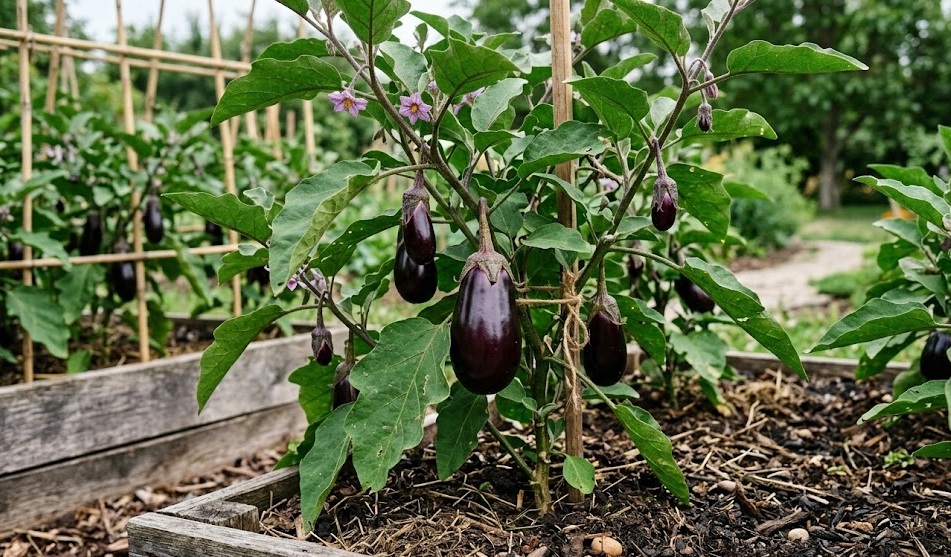

The productivity and health of an eggplant are directly linked to the consistency of its water supply and the availability of essential nutrients. As a fast-growing and heavy-fruiting crop, it has a high metabolic demand that must be met through careful management of the soil environment. Irregular watering or nutrient imbalances can lead to a host of physiological problems, ranging from bitter fruit to stunted growth. Developing a systematic approach to irrigation and fertilization is the hallmark of a professional horticulturalist and the key to a superior harvest.
Establishing an effective irrigation schedule
The primary goal of watering eggplants is to maintain a consistent level of moisture in the root zone without creating anaerobic, waterlogged conditions. These plants have a high transpiration rate, especially during the peak of summer when the large leaves lose moisture rapidly to the atmosphere. You should aim to keep the soil feeling like a wrung-out sponge—moist to the touch but not dripping with excess water. Deep, infrequent watering is generally more effective than frequent shallow sprinkles, as it encourages the roots to grow deeper into the soil.
During the early stages after transplanting, the focus should be on helping the young root system establish itself in the new environment. You may need to water more frequently, perhaps every day if the weather is particularly warm and windy. As the plant matures and the root system expands, you can gradually increase the volume of water while decreasing the frequency. This transition helps build a resilient plant that can better withstand short periods of drought without experiencing significant stress.
Environmental factors like humidity, wind speed, and soil type will all influence how often you need to irrigate your crop. Sandy soils drain quickly and will require more frequent applications of water compared to heavy clay soils that retain moisture for longer periods. Using a moisture meter or simply digging a few centimeters into the soil can give you a clear picture of what is happening below the surface. Never wait until the plant shows visible signs of wilting, as this indicates that the plant is already under significant physiological pressure.
Automation can be a great ally in maintaining a consistent watering schedule, especially for those with large gardens or busy lifestyles. Drip irrigation systems or soaker hoses are ideal for eggplants because they deliver water directly to the soil surface without wetting the foliage. This targeted approach reduces water waste through evaporation and keeps the leaves dry, which is a major factor in preventing fungal diseases. Setting a timer ensures that the plants receive their required hydration even when you are not available to tend to them manually.
More articles on this topic
Proper watering techniques and best practices
The method you use to apply water is just as important as the amount of water the plants receive throughout the day. Always aim to water at the base of the plant, keeping the moisture away from the stems and leaves as much as possible. High-pressure sprays should be avoided as they can damage the delicate flowers and splash soil-borne pathogens onto the lower foliage. A gentle, steady flow allows the water to soak in deeply, reaching the entire profile of the root system.
Morning is the optimal time for irrigation because it allows any accidental moisture on the leaves to dry quickly as the sun rises. Watering in the evening can leave the foliage damp overnight, creating the perfect environment for mildew and other fungal outbreaks to take hold. Furthermore, morning watering ensures that the plant has a full reservoir of moisture to draw upon during the hottest part of the day. This proactive hydration helps the plant maintain its internal pressure and prevents the metabolic slowdown associated with water stress.
Mulching plays a vital role in the efficiency of your watering program by acting as a protective barrier against evaporation. A thick layer of straw or wood chips keeps the soil surface cool and prevents the “crusting” that can occur after heavy watering. This layer also ensures that the water is absorbed more evenly across the garden bed rather than running off into the paths. By stabilizing the soil moisture levels, mulch helps prevent the fruit-cracking issues that often follow a sudden heavy rain after a dry spell.
Be mindful of the water quality you are using, as eggplants can be sensitive to high levels of chlorine or dissolved salts. If using tap water, letting it sit in an open container for a few hours can help some of the chlorine dissipate before it reaches the soil. Rainwater is often the best choice for garden irrigation because it is naturally soft and free of the chemicals found in municipal supplies. Maintaining a rain barrel is an excellent way to provide your plants with the highest quality hydration while conserving local water resources.
More articles on this topic
Nutritional requirements and fertilization strategies
Eggplants are known as “heavy feeders,” meaning they require a significant amount of nutrients to produce their large, fleshy fruits. A balanced approach to fertilization involves providing a steady supply of nitrogen, phosphorus, and potassium (NPK), along with essential micronutrients. Nitrogen is crucial for the development of lush green foliage and strong stems during the early vegetative phase. However, excessive nitrogen later in the season can lead to an abundance of leaves but very few flowers and fruits.
Phosphorus is particularly important for root development and the initiation of flower buds throughout the life of the plant. Potassium, on the other hand, regulates the movement of water within the plant and is essential for the quality and flavor of the fruit. Most professional gardeners apply a balanced, slow-release fertilizer at the time of planting to provide a baseline of nutrition. This is often followed by “side-dressing” with additional nutrients once the first fruits begin to set and the demand increases.
Organic matter, such as well-composted manure or high-quality garden compost, should be the foundation of your fertilization program. These materials not only provide nutrients but also improve the soil structure and its ability to hold onto both water and minerals. Incorporating organic matter into the soil before planting creates a slow-release reservoir that the plants can tap into as they grow. This biological approach to fertility fosters a healthy soil ecosystem that supports long-term plant health and productivity.
Liquid fertilizers, such as fish emulsion or seaweed extract, can be used to provide a quick boost during periods of rapid growth or stress. These are often applied as a soil drench or a foliar spray, allowing the plant to absorb the nutrients almost immediately. Be sure to follow the manufacturer’s instructions carefully, as over-fertilization can burn the roots and damage the delicate internal tissues. A “little and often” approach is usually much safer and more effective than applying large amounts of fertilizer all at once.
Identifying and correcting nutrient deficiencies
Vigilance is required to spot the early signs of nutrient imbalances before they cause permanent damage to your eggplant crop. Nitrogen deficiency usually shows up as a general paling or yellowing of the older leaves at the bottom of the plant. If the plant lacks phosphorus, the leaves may take on a purplish or dark green tint, and the growth will appear noticeably stunted. Potassium deficiency often manifests as “scorching” or browning along the edges of the leaves, starting with the older growth.
Magnesium is another critical element for eggplants, and its absence causes yellowing between the veins while the veins themselves remain bright green. This condition, known as interveinal chlorosis, can significantly reduce the plant’s ability to photosynthesize and produce energy. Calcium deficiency is perhaps the most famous issue, as it leads to blossom end rot, where the bottom of the fruit turns black and leathery. This is often caused not by a lack of calcium in the soil, but by irregular watering that prevents the plant from transporting the mineral to the fruit.
Correcting these issues requires a targeted approach based on an accurate diagnosis of the problem at hand. If you suspect a deficiency, a quick-acting liquid fertilizer can often provide temporary relief while you address the underlying soil health. Adding a layer of compost or a specific mineral amendment like Epsom salts for magnesium can provide a more long-term solution. Always remember that many nutrient issues are actually symptoms of poor pH balance or improper watering habits rather than a literal lack of minerals in the soil.
Regular soil testing is the most professional way to manage the nutrition of your garden and avoid the guesswork that leads to problems. A laboratory analysis will tell you exactly which nutrients are present and, more importantly, whether the soil pH is in the correct range for uptake. Eggplants prefer a pH between 6.0 and 6.8; if the soil is too acidic or alkaline, many nutrients become chemically locked away from the roots. Adjusting the pH with lime or sulfur is often the most effective “fertilizer” you can apply to your garden bed.
Seasonal adjustments to water and food
As the growing season shifts from the mild days of spring to the intense heat of mid-summer, the needs of your eggplants will change. In the height of summer, the plants will be at their maximum size and fruit production, requiring the highest levels of both water and nutrients. You may find that you need to increase your watering frequency to twice a day during extreme heatwaves to prevent the fruit from becoming bitter. During this period, the demand for potassium is particularly high as the plant works to fill and ripen the developing fruits.
As autumn approaches and the temperatures begin to cool, the metabolic rate of the eggplant will naturally slow down in response. You should gradually reduce the amount of nitrogen you provide, as you no longer want to encourage new, soft growth that won’t have time to mature. Continue to provide consistent water, but be mindful that the soil will dry out more slowly as the days become shorter and less intense. This transition period is about finishing the existing crop rather than starting new growth or flowers.
If you are growing eggplants in containers, remember that their water and nutrient needs are much more intense than those of plants in the ground. The limited soil volume means that nutrients are washed away more quickly by frequent watering, requiring a more rigorous fertilization schedule. You might need to use a half-strength liquid fertilizer every week to keep container-grown plants productive and healthy. Monitoring the weight of the pot or the moisture level of the mix is essential to prevent the rapid drying that can occur in small containers.
Finally, always observe the “behavior” of your plants after you water or fertilize them to see how they respond to your care. Healthy plants should have firm, dark green leaves and a steady rate of new growth and flower production. If the plants look lush but aren’t producing fruit, you may need to cut back on the nitrogen and increase the phosphorus and potassium. This intuitive connection with your crop, backed by scientific principles, is what ultimately leads to a successful and rewarding gardening experience.